As glaciers retreat, they leave behind massive, dangerous, and sometimes sacred bodies of water.
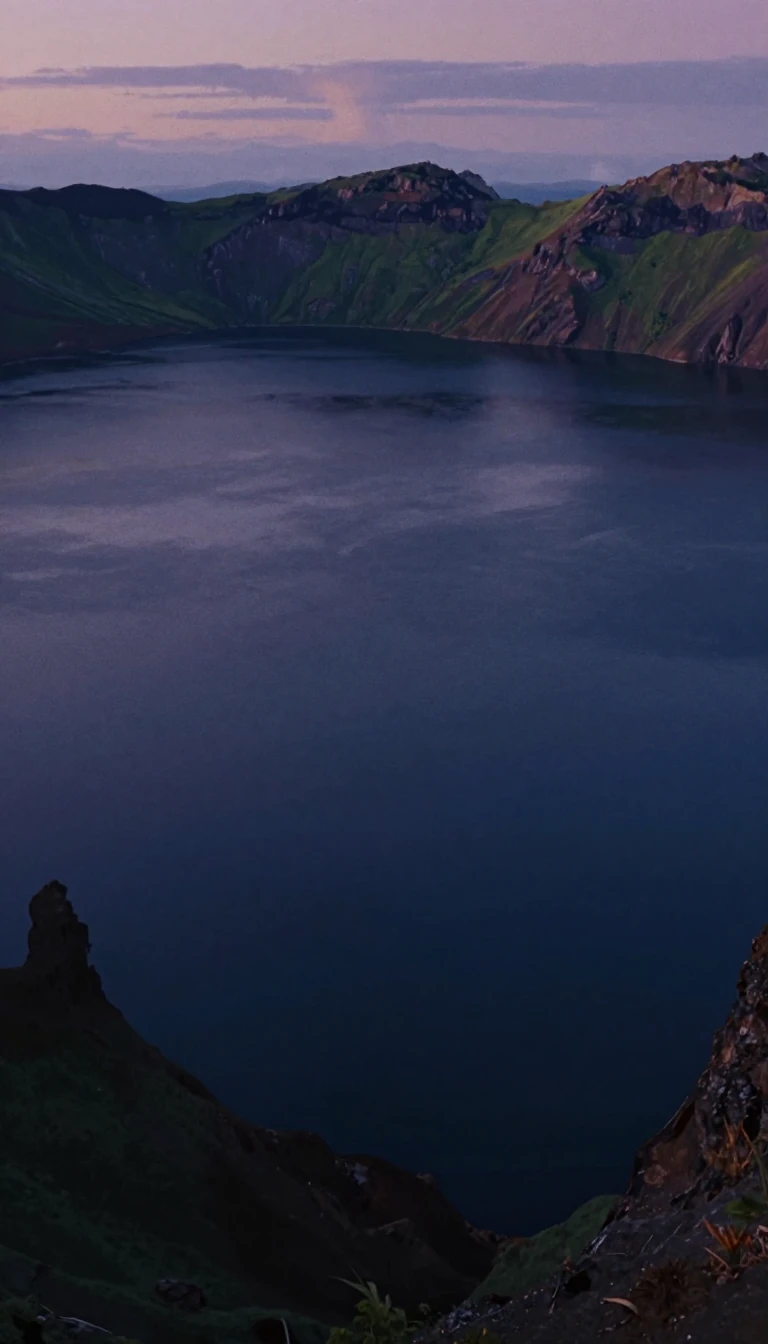
In short: Glacial lakes are expanding worldwide as the planet warms, transforming frozen landscapes into vast reservoirs. While these lakes provide vital water storage and hydropower, they also pose a catastrophic threat: the sudden, violent release of water known as a glacial lake outburst flood, which can devastate downstream communities and infrastructure.
Glacial lakes form through various mechanisms, including ice-sheet depressions, eroded scours, or natural dams created by ice and glacial sediment. As glaciers retreat, they often leave behind hollows that fill with meltwater. These environments are typically oligotrophic, characterized by low nutrient levels and suspended rock flour—pulverized minerals that give the water a distinct green hue and limit biodiversity to cold-adapted species.
The rapid growth of these lakes since 1990 is a direct consequence of accelerated deglaciation. As ice masses shrink, the risk of glacial lake outburst floods (GLOFs) increases. These events occur when natural dams, such as moraines or ice, fail, releasing torrents of water. The potential for such disasters is particularly high in regions like the Third Pole, where debris-covered glaciers are undergoing significant changes. Historical data shows that these floods have long threatened human populations, from the Andes to the Himalayas.
Beyond their physical hazards, glacial lakes serve as critical environmental archives. Their sediment layers, or varves, preserve geochemical signatures and pollen records that reflect historical climate shifts and human impacts, such as deforestation. In some regions, these lakes hold deep cultural significance; for instance, several Himalayan lakes are considered sacred sites for Hindu, Buddhist, Sikh, Jain, and Bon practitioners, drawing pilgrims from across the globe. Others, like Iceland’s Jökulsárlón or Argentina’s Perito Moreno, have become major hubs for tourism, illustrating the complex intersection of geological change, economic utility, and human heritage.
Opens the Intellect+ feed with this card first. Swipe up for the next one.
Sources
- Summary by Intellect · source: Characteristics and changes of glacial lakes and outburst floods - Nature Reviews Earth & Environment
- Also: Glacial lake | Britannica
- Also: Glacial lake
To cite this card, link to https://intellectplus.co.uk/app/nature-glacial-lake.
How we source, check and correct cards: Editorial standards.
General information, not professional advice. Spotted an error? Flag the card or see corrections and complaints.
Intellect Plus is a visual educational discovery platform for exploring fascinating facts and ideas. Brain Food, Not Brain Rot. What is Intellect Plus?
Related
More in Water · More in Nature · Latest · A–Z · All topics
