Lakes are not just puddles; they are complex, layered machines that breathe with the seasons.
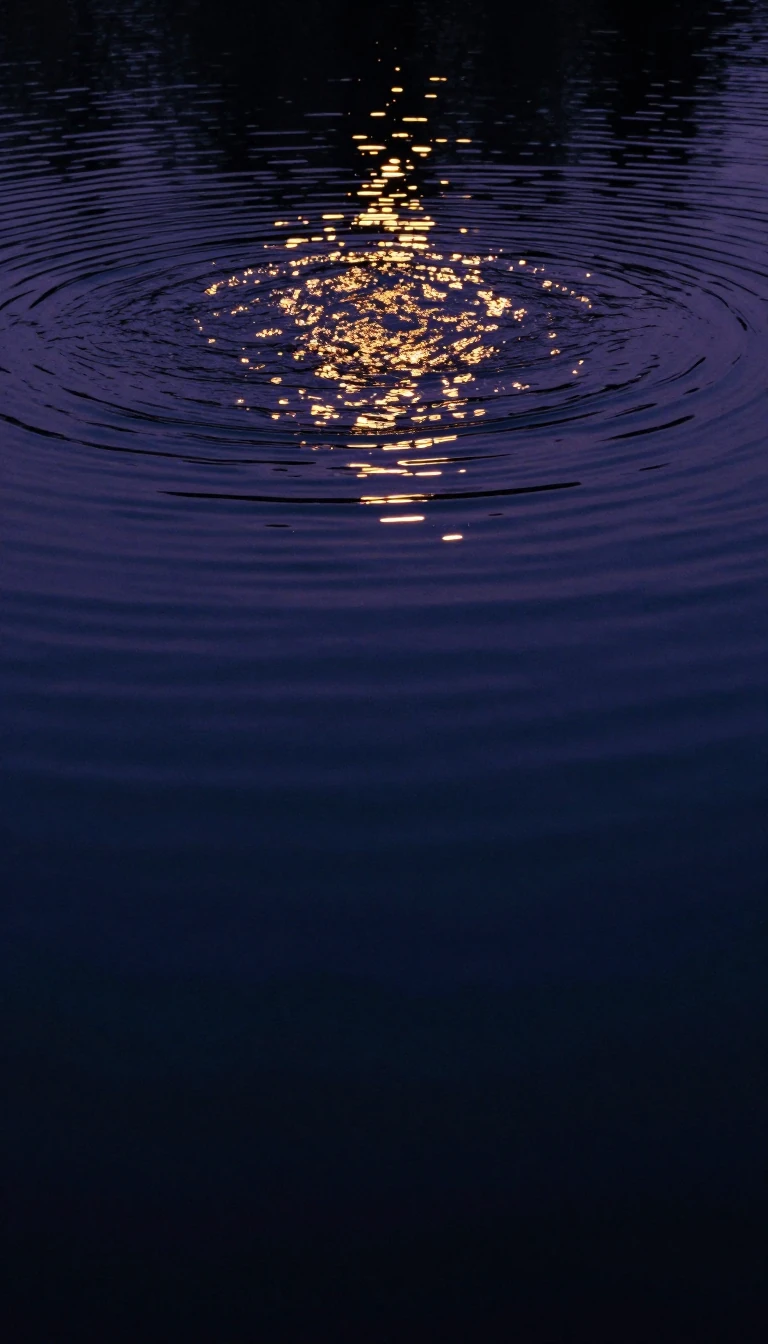
In short: Lakes often organize themselves into distinct thermal layers, creating a hidden vertical world. This stratification dictates where fish swim, how nutrients circulate, and even whether a lake remains a safe habitat or becomes a death trap. As the climate shifts, these delicate aquatic structures are beginning to fundamentally change.
In many deep, permanent freshwater bodies, water density—which changes with temperature—creates a vertical architecture. During warmer months, a lake typically divides into three zones: the warm, upper epilimnion; the middle thermocline, where temperatures drop rapidly; and the cold, dense hypolimnion at the bottom. Because water density peaks at 4 °C, these layers often resist mixing, effectively trapping nutrients and oxygen within specific depths. In temperate regions, this creates a cyclical rhythm known as dimictic mixing, where the lake turns over completely in the spring and autumn as surface waters cool and sink.
This stratification is not merely a physical curiosity; it is a vital biological filter. When a lake is strongly stratified, the hypolimnion can become anoxic, or oxygen-depleted, as biological decay consumes the limited supply. This can be devastating for benthic organisms like shellfish. In extreme cases, such as in Africa's Lake Nyos, Lake Monoun, and Lake Kivu, meromictic stratification traps vast quantities of dissolved carbon dioxide. If disturbed, these lakes can trigger a limnic eruption, releasing a lethal cloud of gas that displaces oxygen in the surrounding area.
Human activity and rising global temperatures are now disrupting these ancient patterns. Increased air temperatures act like a geographic shift, often stabilizing stratification and preventing the necessary turnover that redistributes nutrients. Furthermore, urban runoff and road salt can create dense, saline layers at the bottom, physically blocking vertical mixing. These changes ripple through the entire ecosystem, altering the composition of phytoplankton and zooplankton, and creating asynchronies between predator and prey. For cold-water fish species, the loss of consistent mixing and the resulting fluctuations in oxygen and food availability can lead to population collapses that take years to recover.
Opens the Intellect+ feed with this card first. Swipe up for the next one.
Sources
- Summary by Intellect · source: Lake stratification
- Also: Lake stratification | Britannica
To cite this card, link to https://intellectplus.co.uk/app/nature-lake-stratification.
How we source, check and correct cards: Editorial standards.
General information, not professional advice. Spotted an error? Flag the card or see corrections and complaints.
Intellect Plus is a visual educational discovery platform for exploring fascinating facts and ideas. Brain Food, Not Brain Rot. What is Intellect Plus?
Related
More in Water · More in Nature · Latest · A–Z · All topics
