 Intellect Plus
Water
63 cards. Each one is a 40-second story with a five-minute read behind it.
 The invisible engine of weather and the blueprint for lifeWithout water, our planet would be a static wasteland. It is the primary architect of every cloud, rainstorm, and avalanche. Beyond shaping the atmosphere, water serves as the fun…
 The dual nature of water as both architect and destroyerWater is the primary sculptor of our planet, capable of devastating landscapes while simultaneously nurturing life. This documentary explores how its movement through the atmosphe…
 Is water secretly a dual liquid switching between two states?Water behaves unlike almost any other substance on Earth, expanding as it freezes and defying standard liquid physics. For decades, scientists suspected that this strange behavior…
- Can water retain a molecular memory of substances it once held?This documentary explores the controversial theory of 'water memory' championed by Nobel Prize laureate Luc Montagnier. It examines whether water can reproduce the properties of m…
- The substance that defies nature's rules to sustain all lifeWhile water seems common, it is a scientific anomaly. This video explores why water is the only substance that changes states so frequently and journeys from deep ocean trenches t…
- Is water actually made of two competing liquids?A team of researchers is attempting to prove a 30-year-old controversial hypothesis: that water might consist of two distinct liquid states existing within the same molecule. This…
- Why water is the most studied yet mysterious substance on EarthExplore why water's unique ability to exist in three states of aggregation makes it a scientific anomaly. This documentary takes you from underwater worlds to icy landscapes to re…
- Why water behaves like a liquid that defies standard physicsMost liquids get denser as they freeze, but water does the opposite. This simple quirk allows life to survive in sub-zero climates by insulating lake beds with floating ice. Yet, …
 Ireland's longest river is a paradox of length and geographyThe River Shannon is the longest river in the British Isles, yet its true length is a matter of intense debate. Depending on whether you measure to the open sea, a specific harbor…
 The abyssal zone is a vast, dark, high-pressure frontier covering one-third of our seafloor.Stretching from 3,000 to 6,500 meters deep, the abyssal zone is a world of perpetual darkness and crushing pressure. Despite its remoteness, this vast underwater landscape is home…
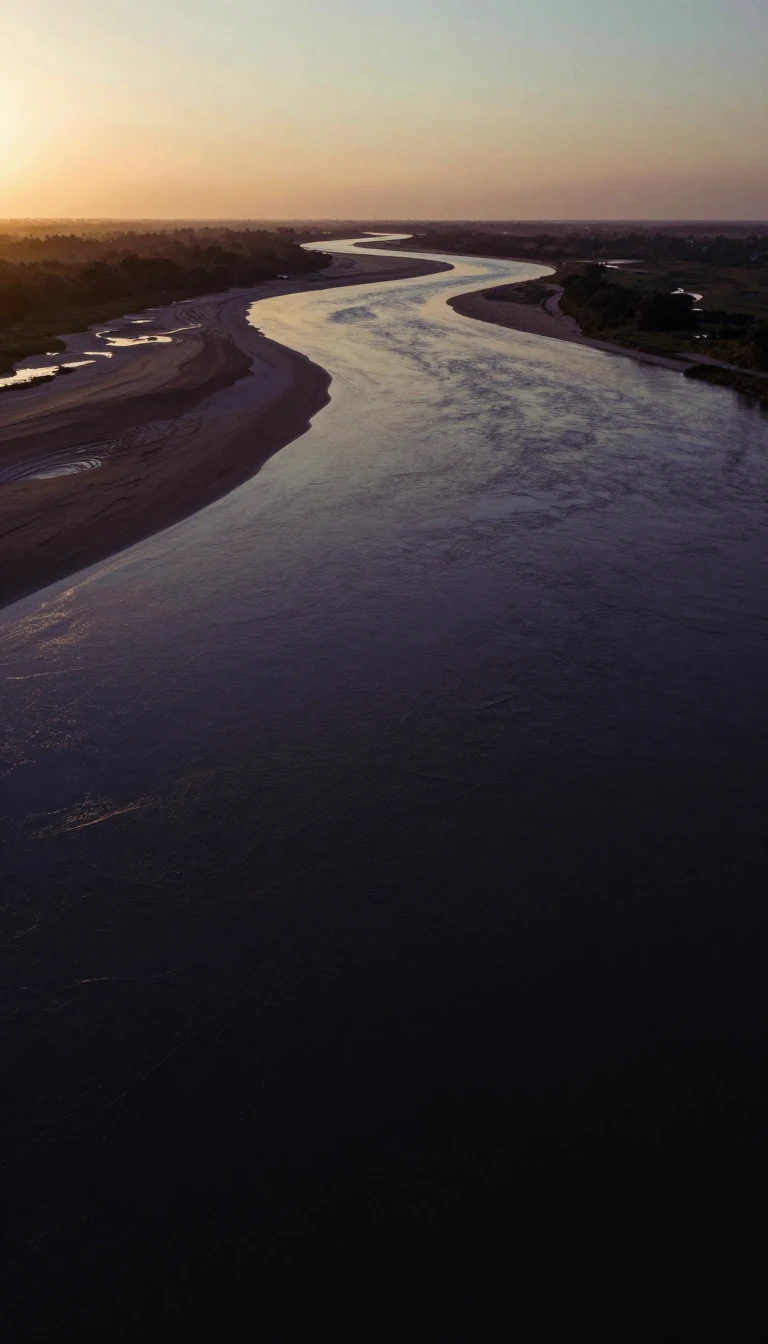 Alluvial rivers are self-forming architects that build their own channels through constant sediment movement.An alluvial river is not just a path for water; it is a dynamic, self-forming system. By eroding, transporting, and depositing sediment, these rivers continuously reshape their ow…
 High-altitude alpine lakes are sensitive sentinels of our planet's rapidly changing climatePerched in mountainous terrain, alpine lakes are more than just scenic vistas. These high-altitude reservoirs act as delicate ecological indicators, storing paleoclimate data in t…
 Beneath the twilight: exploring the vast, dark, and pressurized world of the aphotic zoneThe ocean is not just the surface we see. Below 1,000 meters lies the aphotic zone, a realm of perpetual darkness where sunlight never reaches. Despite the absence of photosynthes…
 Aquifers are not underground rivers, but vast, porous reservoirs of life-sustaining water.Forget the image of rushing subterranean streams. Aquifers are actually dense, water-saturated rock formations that act as the Earth's hidden plumbing. These vital geological laye…
 The dry desert channel that can become a roaring river in two minutesArroyos are deceptive landscapes. Often appearing as dry, dusty ravines, these watercourses can transform into violent, flash-flooding torrents with almost no warning. While they …
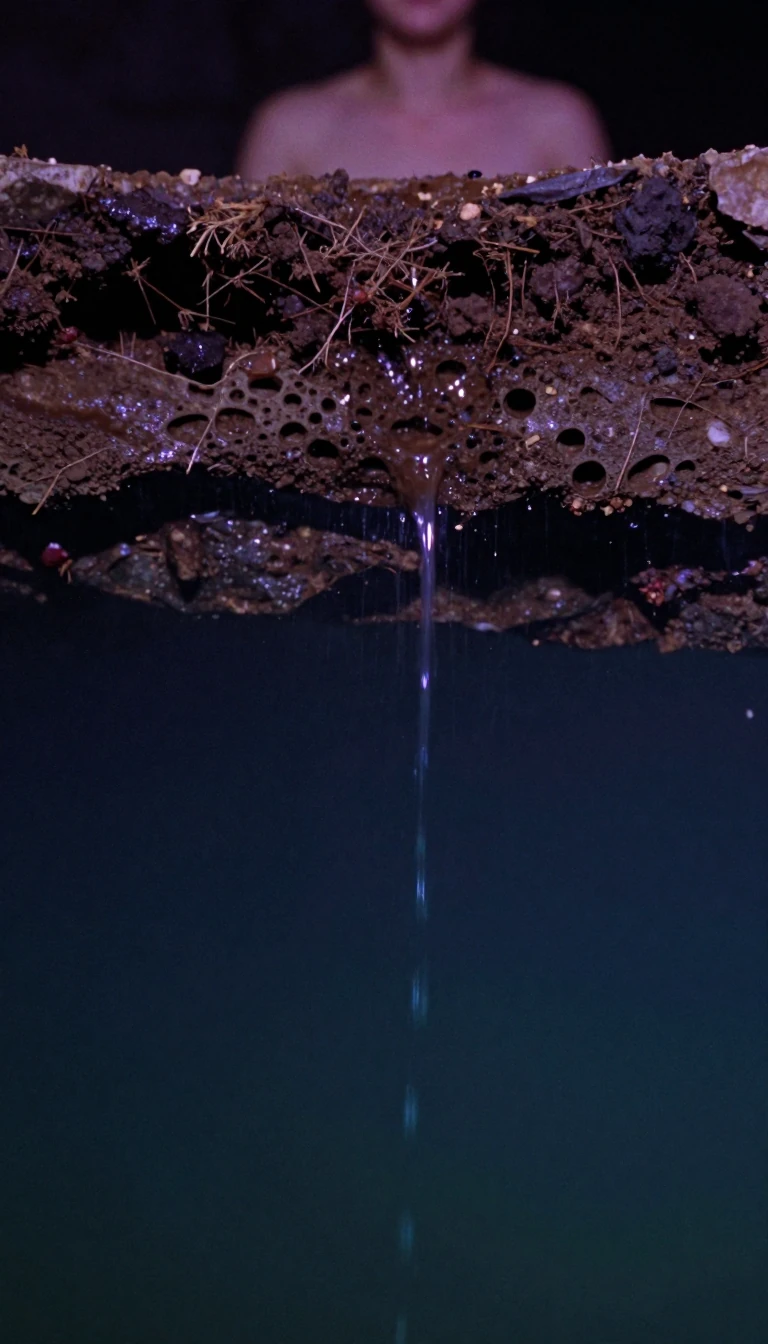 Why some wells flow freely without the need for a mechanical pumpAn artesian well taps into groundwater trapped under natural pressure, allowing water to rise to the surface without mechanical assistance. This phenomenon occurs when a well pene…
- When rivers abandon their paths, they reshape the landscape in a single, violent event.A river avulsion is not a slow migration but a sudden, dramatic jump to a new course. Driven by sediment buildup and gravity, these events can transform deltas and floodplains ove…
- How meltwater and sediment turn massive, frozen glaciers into sliding, landscape-carving machinesGlaciers are not static blocks of ice; they are dynamic, moving entities that reshape the Earth. While we often imagine them as frozen solid, many glaciers slide across their beds…
- The midnight zone is the largest habitat on Earth, yet remains largely a mystery.Spanning from 1,000 to 4,000 meters deep, the bathypelagic zone accounts for 70% of all seawater. In this realm of perpetual darkness and crushing pressure, life thrives through b…
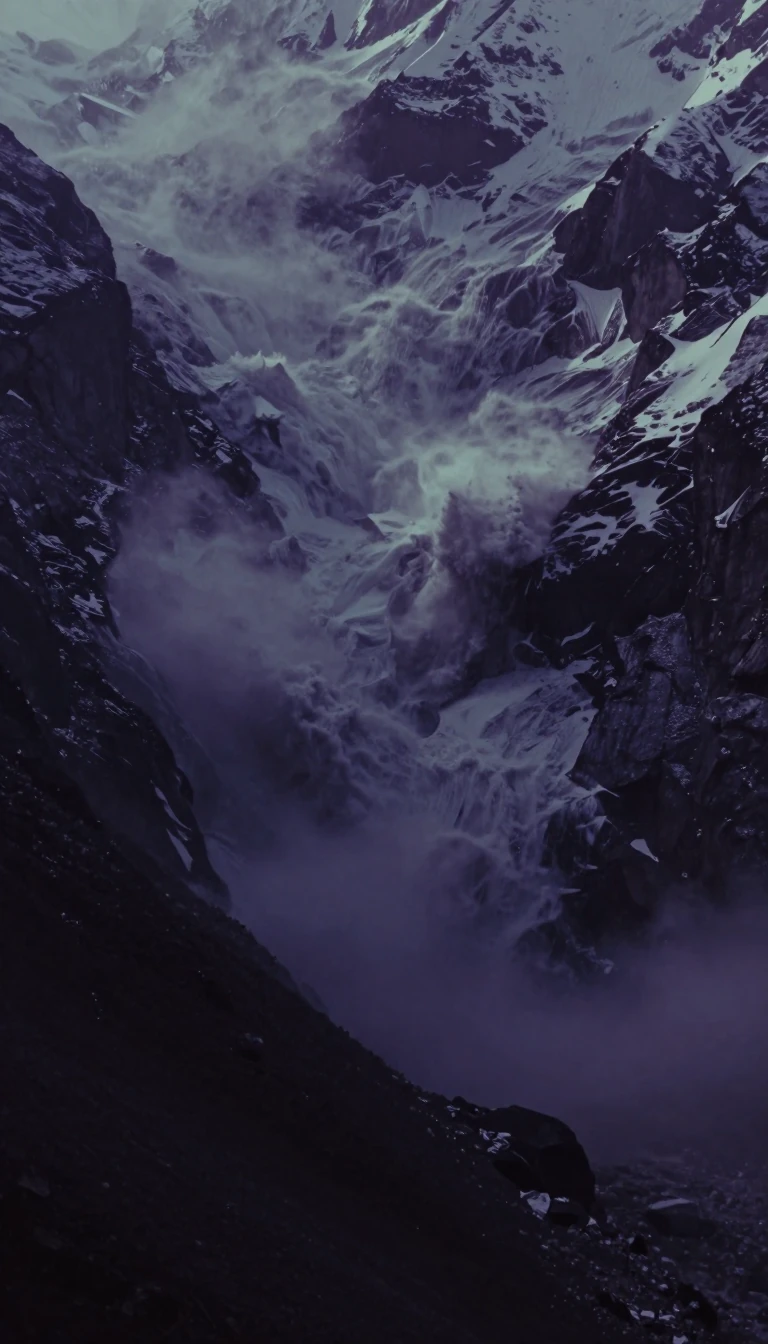 How rivers carve through solid stone to shape the face of the EarthRivers do not just flow over the land; they actively cut into it. When a riverbed lacks a thick layer of sediment, it becomes a bedrock river, a powerful geological force. Through…
 Brackish water is the mysterious, shifting middle ground between fresh rivers and salty seas.Neither fully fresh nor truly saline, brackish water is a dynamic environment where life adapts to constant change. From the bustling estuaries of the Thames to the deep, stratifi…
 Why some rivers abandon a single path to become a shifting, braided networkA braided river does not follow one steady course. Instead, it splits into a restless, interwoven web of shallow channels separated by temporary islands. Driven by high sediment l…
- Why do the world's most significant cities and sacred sites often emerge at confluences?A confluence is more than just where two rivers meet. It is a dynamic intersection of hydrology, chemistry, and human history. From ancient spiritual rituals to modern urban plann…
- Glacial crevasses are not just ice cracks; they are dynamic, dangerous, and planetary phenomenaA crevasse is more than a simple fissure in the ice. These deep, often hidden fractures act as vital plumbing systems for glaciers, funneling meltwater to the bedrock and accelera…
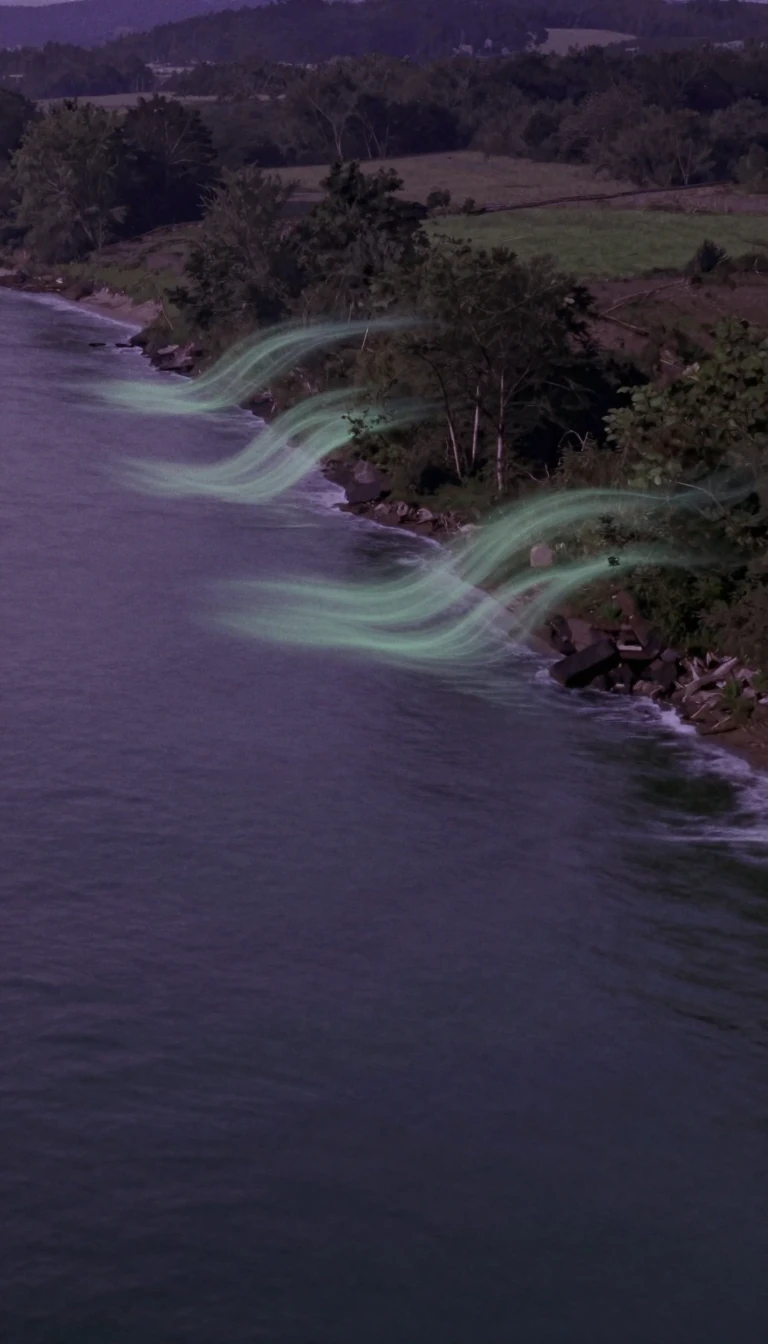 How much water flows past you right now? The science of river discharge.Discharge is the fundamental heartbeat of a river, defined as the volume of water passing a specific point every second. By measuring this flow, scientists can predict floods, man…
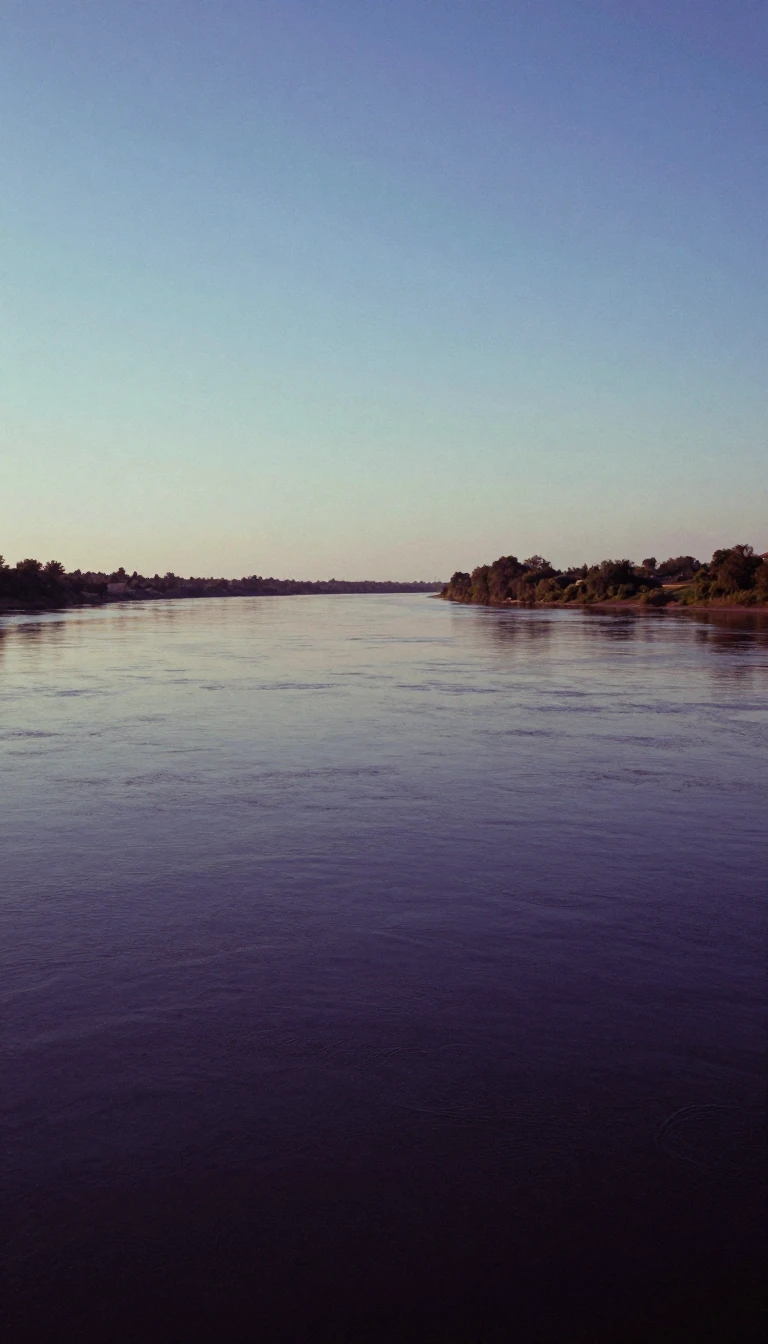 A river that splits in two can reshape the map and strand entire cities.Rivers do not always flow in a singular, predictable path toward the sea. Through a process called bifurcation, they can branch into distributaries, creating complex networks that…
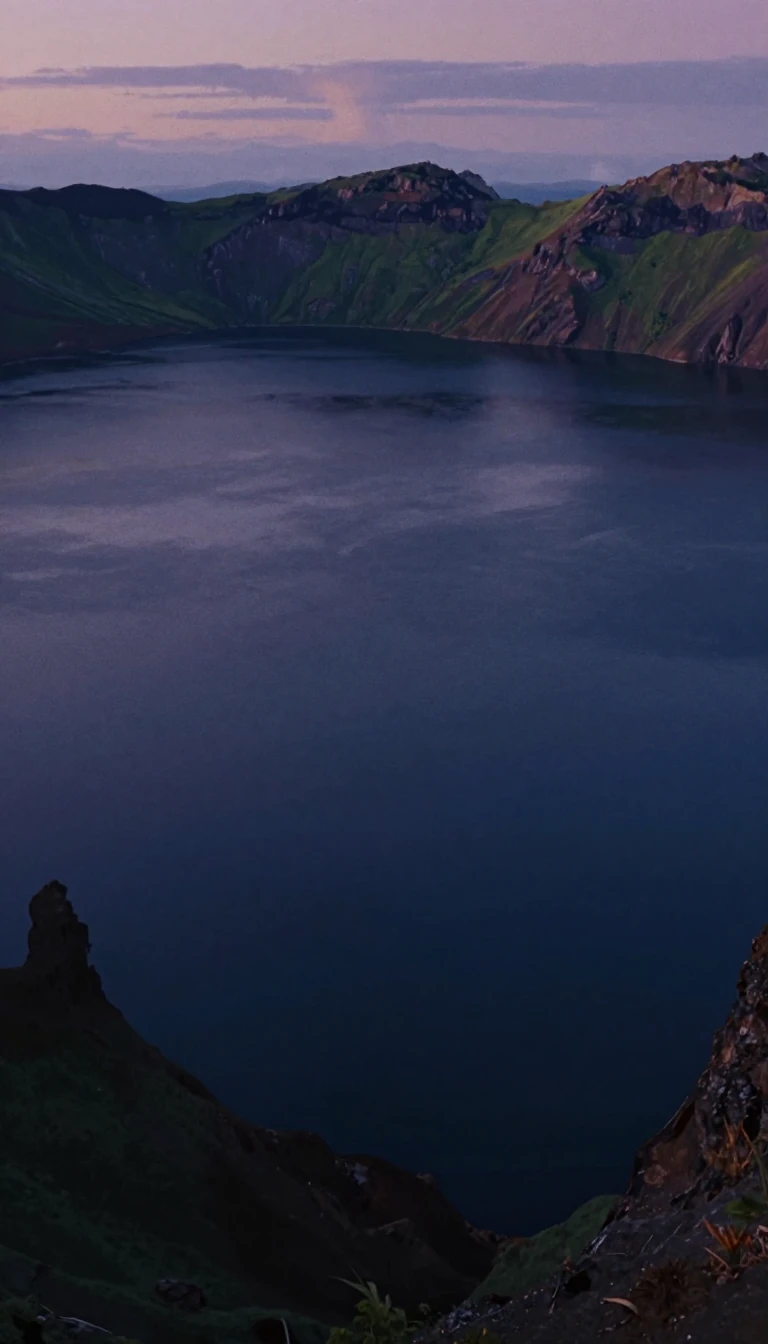 As glaciers retreat, they leave behind massive, dangerous, and sometimes sacred bodies of water.Glacial lakes are expanding worldwide as the planet warms, transforming frozen landscapes into vast reservoirs. While these lakes provide vital water storage and hydropower, they …
- Glaciers are not just frozen water; they are powerful, shifting engines of global climate.Glaciology is the study of ice on land, but these massive, flowing structures do more than sit still. They act as a delicate thermostat for the planet, reflecting solar radiation …
 The hidden water cycle beneath our feet is a slow, ancient, and vital process.Groundwater recharge is the silent replenishment of Earth's underground aquifers. When rainfall exceeds evaporation, water trickles down to sustain our most critical freshwater re…
 The hadal zone is Earth's final frontier, hidden in the deepest ocean trenches.Named for the Greek god of the underworld, the hadal zone exists in narrow, extreme trenches reaching 11,000 meters deep. Far from a barren wasteland, these dark, high-pressure ha…
- The intertidal zone is a high-stakes arena where land and sea constantly collide.Twice a day, the tide reshapes the world. This narrow strip of shoreline, exposed to both scorching sun and crashing waves, hosts a remarkable diversity of life. From resilient ba…
 Lakes are not just puddles; they are complex, layered machines that breathe with the seasons.Lakes often organize themselves into distinct thermal layers, creating a hidden vertical world. This stratification dictates where fish swim, how nutrients circulate, and even whe…
- The ocean is a complex chemical reactor that regulates our planet's climate and life.Marine chemistry explores the intricate chemical interactions within our oceans. From the cycling of essential nutrients like nitrogen and phosphorus to the movement of carbon, th…
 The seafloor is a vast, shifting archive of Earth's history and cosmic debris.Marine sediment is far more than just mud. It is a complex accumulation of rock, volcanic ash, skeletal remains of ancient organisms, and even extraterrestrial material like meteo…
- Megatsunamis are not just bigger tsunamis; they are a completely different physical phenomenon.While ordinary tsunamis are born from tectonic plates shifting on the ocean floor, megatsunamis are violent splashes caused by massive, sudden displacements of material. These eve…
 Fire ice: The strange, cage-like crystals hiding beneath our ocean floorsMethane clathrate is a solid, ice-like substance where methane gas is trapped inside water crystal cages. Found in deep ocean sediments and polar permafrost, these deposits hold v…
- The ocean is not a static pool but a complex, stratified, moving machine.Ocean dynamics govern how water flows, mixing heat and nutrients across the globe. From the turbulent surface layer to the dark, slow-moving depths, the ocean operates through pre…
 The ocean is not flat: mapping the hidden hills and valleys of our seasWhile the ocean looks level from the shore, it is actually a complex landscape of peaks and troughs. These variations in sea surface height, caused by tides, currents, and gravity…
- The ocean is a massive heat engine, and its temperature is hitting record highs.From the freezing waters near the poles to the tropical heat of the equator, ocean temperature dictates global weather and marine survival. As the planet warms, the ocean is absor…
- The ocean is not just water; it is a vertical world of five distinct layersBeneath the surface, the ocean divides into five unique vertical zones, each defined by light, pressure, and temperature. From the sun-drenched surface to the crushing, pitch-blac…
- The pelagic zone is Earth's largest habitat, spanning the entire open ocean water column.Imagine a vast, three-dimensional cylinder of water stretching from the sunlit surface to the crushing depths of the abyss. This is the pelagic zone, an ecological realm that hold…
- Why the ocean's thinnest layer is the most vital for life on EarthThough it represents only about 2 to 3 percent of the total ocean volume, the sunlit zone is the engine of the marine world. This thin, upper layer sustains the vast majority of a…
- When glaciers act as dams, they create lakes that can vanish in catastrophic floods.Proglacial lakes form when melting ice blocks rivers or traps water against a glacier. While some evaporate slowly, others burst through their icy barriers, unleashing massive flo…
- More than just a nuisance: why the humble puddle is a vital ecosystemA puddle is far more than a simple collection of water on the ground. Beyond the annoyance of splashing pedestrians or creating slippery ice, these ephemeral pools serve as essent…
- Rift lakes are deep, tectonic scars that hold the secrets of Earth's shifting crust.When continental crust pulls apart, the ground subsides to create massive, often incredibly deep basins. These rift lakes are not just bodies of water; they are geological markers…
- Why the world's greatest cities are built where rivers meet the seaA river mouth is far more than a simple exit point for water. It is a dynamic geological crossroads where sediment settles, landforms emerge, and human history takes root. By unde…
 Why the true source of a river is rarely where you think it isWe often assume a river begins where it is named or where a lake ends. Yet, geographers define a river's source by the most distant point in its drainage basin. This technical sta…
- Beyond the ocean: understanding the precise science of salt in our waterSalt water is more than just the ocean. Defined by the United States Geological Survey, saline water exists on a spectrum of concentration, ranging from slightly saline to highly …
 Why the world's largest salt flat is essential for calibrating our satellitesSalt flats are more than just blindingly white desert expanses. These ancient, mineral-rich basins are formed when water evaporates faster than it falls, leaving behind vast, flat…
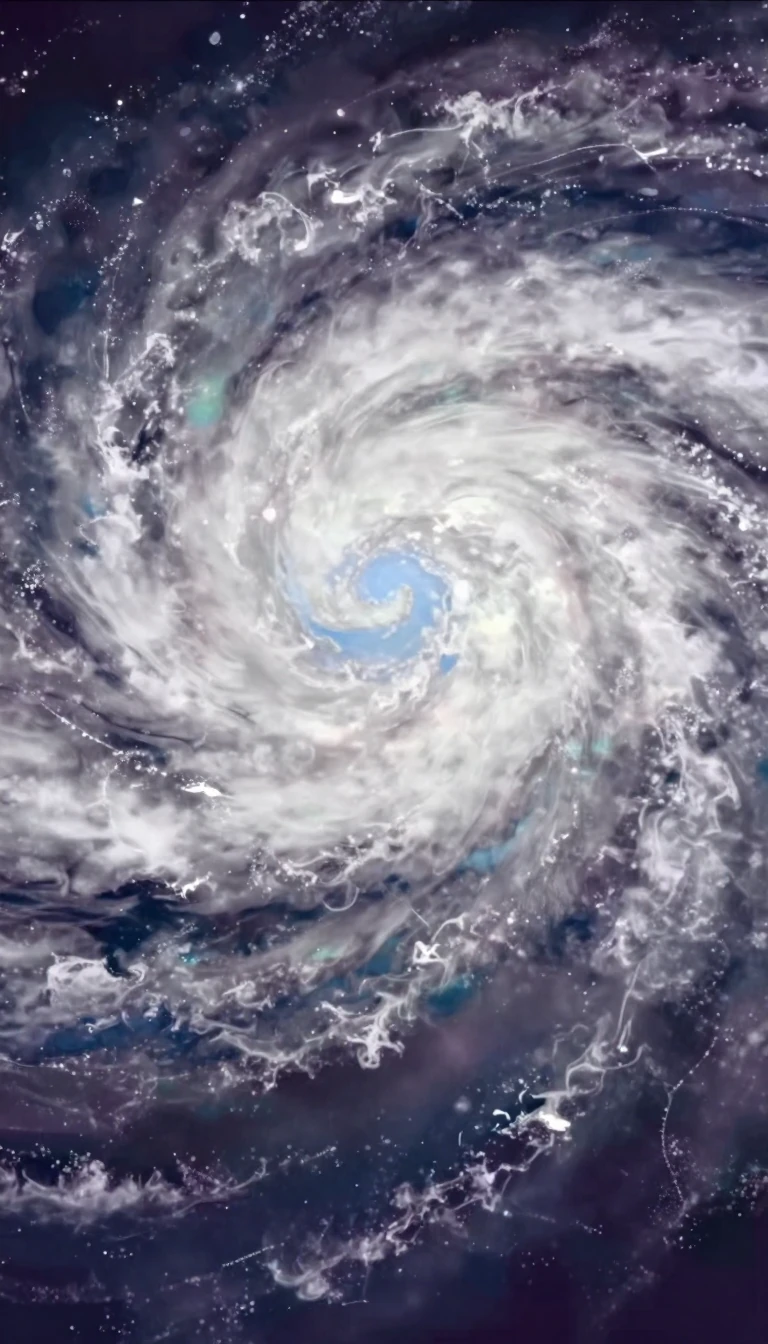 Why the ocean's surface temperature is a moving target for global climate scientistsSea surface temperature is not a single, fixed measurement. Depending on the technique, it captures water from a few micrometres to 20 metres deep. This variability makes it a com…
- Why rivers are changing: how warming and urbanization rewrite the flow of waterStreamflow is the lifeblood of our planet, moving water from land to oceans. Yet, this vital process is shifting under the weight of human activity and a warming climate. From urb…
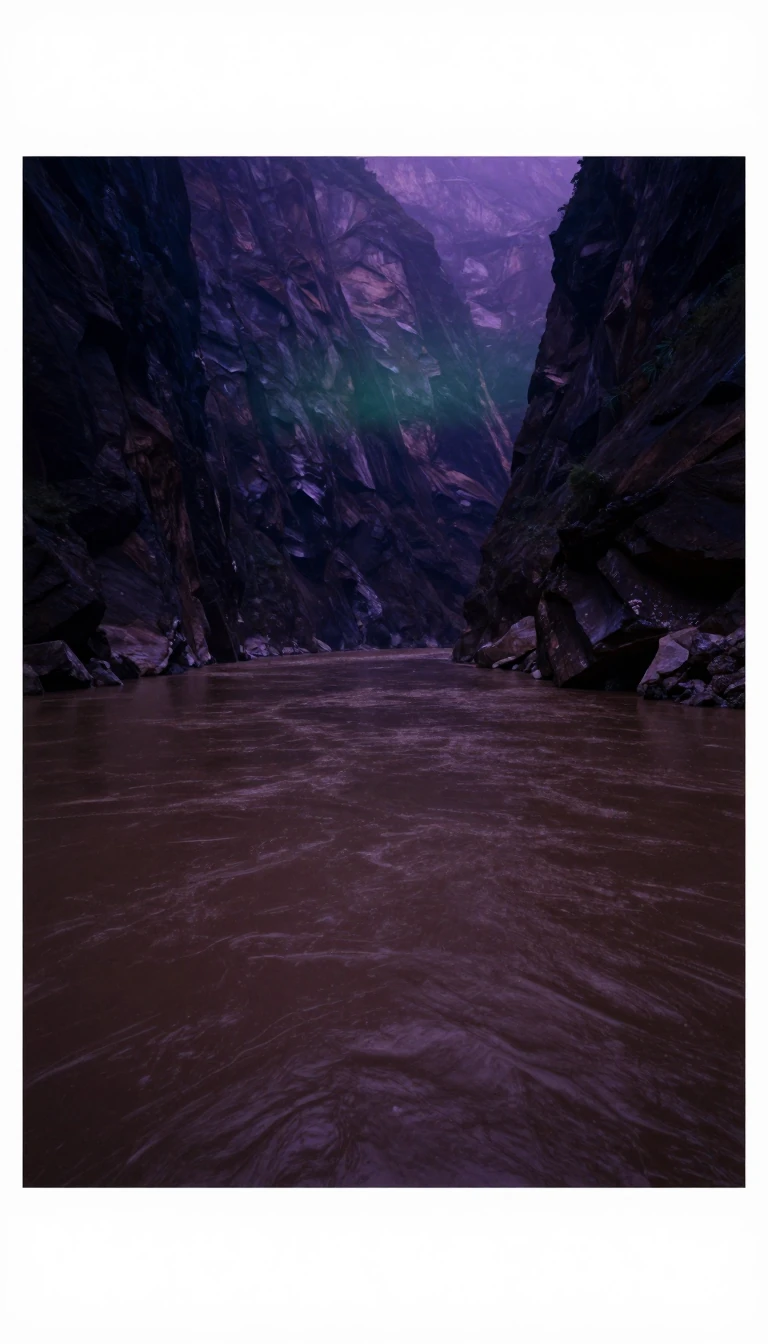 The invisible line at the bottom of a river that defines international borders.A thalweg is the deepest path through a watercourse, marking the natural route of the current. While geographers use it to map valleys, international law uses it to settle territo…
- Why the world's most extreme tides are trapped in specific coastal funnelsTidal range is the height difference between high and low tide, governed by the gravitational pull of the Moon and Sun. While the open ocean sees a modest one-metre shift, coastal…
- Tide pools are miniature, high-stakes laboratories where life clings to the edge of existence.These isolated pockets of seawater, formed in rocky depressions as the tide recedes, are far more than simple puddles. They are rugged, high-energy environments where inhabitants …
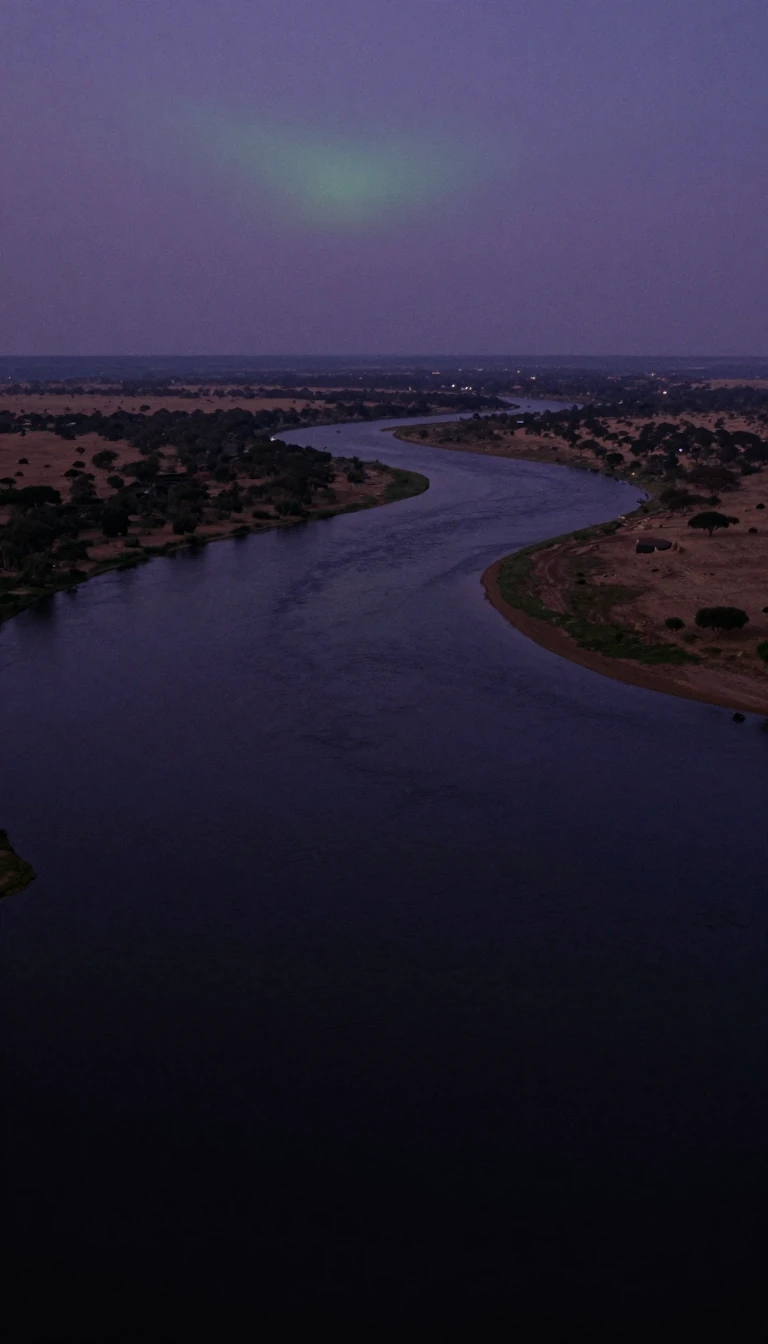 Why rivers are never just one stream but a complex, branching family treeA tributary is more than just a side stream; it is a vital component of a drainage basin, feeding water into a main stem. From the massive volume of the Madeira to the navigationa…
- Underwater avalanches of sediment are the primary architects of the deep ocean floorTurbidity currents are rapid, gravity-driven flows of sediment-laden water that act like underwater avalanches. By scouring the seafloor and transporting massive amounts of materi…
- Why are underground lakes so rare compared to surface bodies of water?Most of the water beneath our feet is trapped in aquifers, not open pools. Underground lakes are uncommon hydrogeological features that require specific conditions to exist. They …
- Why the ocean's most fertile fishing grounds depend on rising deep-sea waterUpwelling is a vital oceanographic process where cold, nutrient-dense water rises from the depths to replace surface water pushed away by winds. This natural fertilization fuels m…
- Volcanic crater lakes are geological time bombs that can hold record-breaking depths of water.Formed by explosive eruptions or the collapse of volcanic peaks, crater lakes are more than just scenic basins. They are dynamic, often unstable systems where hydrothermal fluids,…
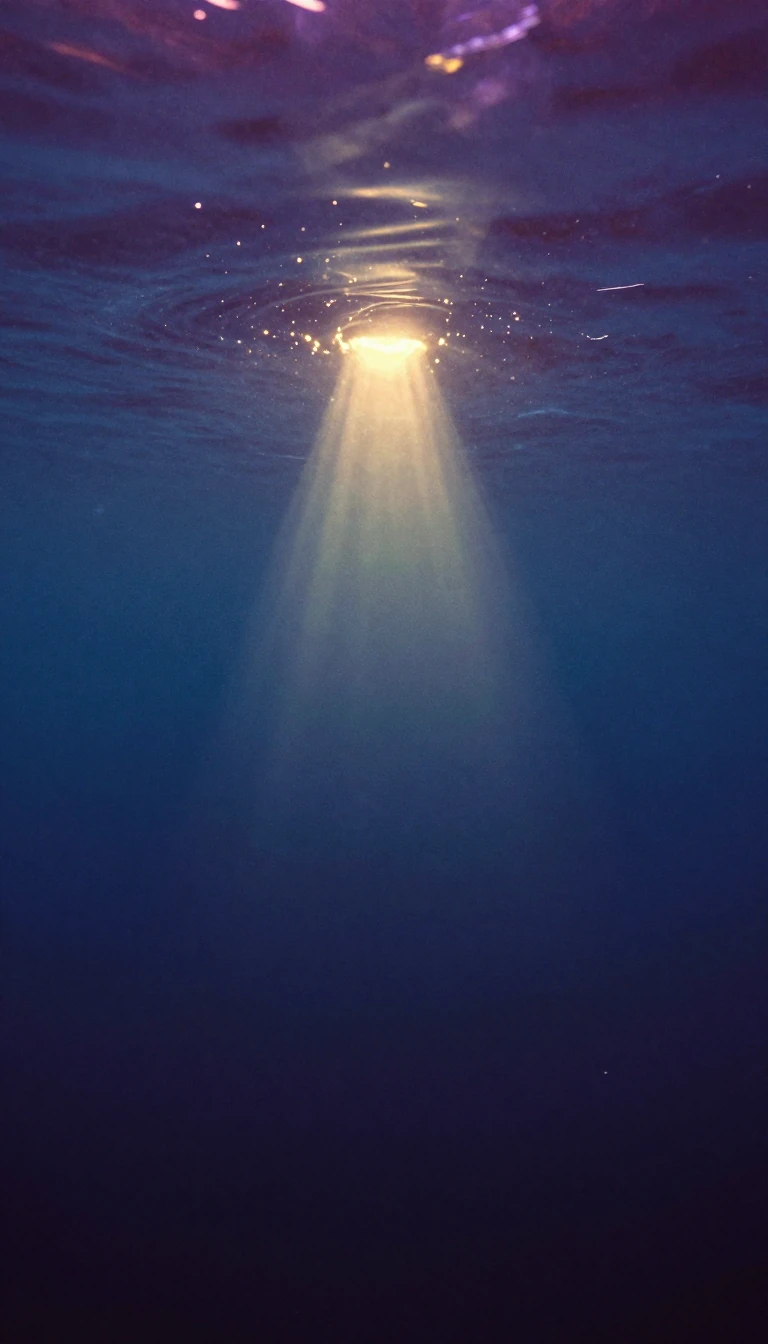 Why your glass of water is a complex chemical equilibrium, not just H2OWater quality is rarely a simple binary of clean or dirty. It is a dynamic state defined by intended use, local geology, and human activity. From the moment a sample is collected,…