The glass knifefish is a translucent, electric predator lurking in deep river channels.
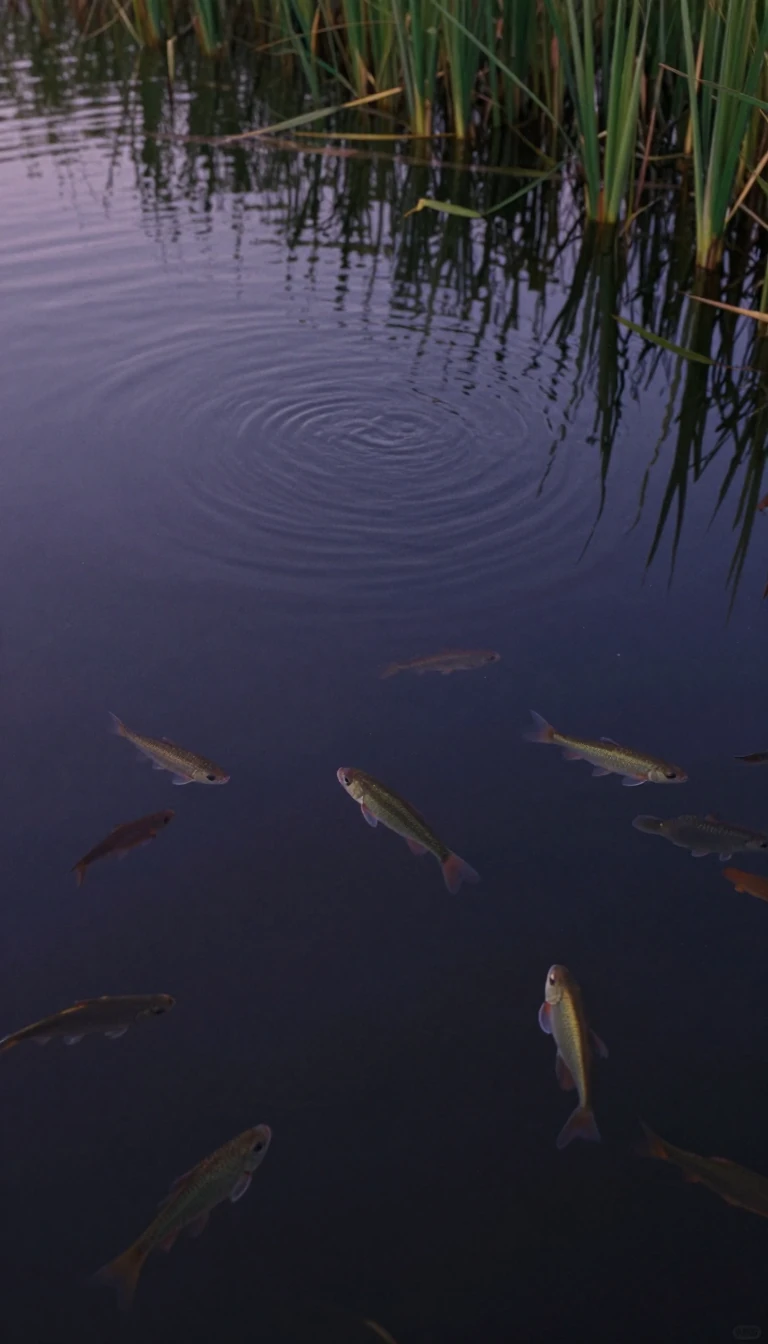
In short: In the rushing, dark depths of the Amazon, a group of fish navigates by generating its own electric field. These glass knifefishes, often nearly transparent, thrive in environments where light barely penetrates. Beyond their ghostly appearance, they possess a unique biological toolkit that allows them to master murky freshwater ecosystems.
The family Sternopygidae, commonly known as glass or rattail knifefishes, comprises 30 living species distributed across seven distinct genera. These freshwater inhabitants are native to rivers and streams throughout Panama and South America. While some species prefer shallower streams, many are specialized for life in deep, high-velocity river channels, such as the Amazon and its major tributaries. In these intense environments, they have been observed swimming in a vertical orientation, a behavior that likely aids their movement through turbulent, fast-flowing water.
Physically, these fish are defined by their laterally compressed, translucent bodies, which offer a ghostly silhouette in their natural habitat. They feature brush-like, villiform teeth on both jaws and relatively large eyes. Their anatomy is further distinguished by an anal fin that originates at the isthmus, the fleshy strip located between the gill covers. Among the various species, Sternopygus macrurus stands out for its impressive size, reaching a maximum length of 140 centimeters, or 55 inches. While most are free-swimming, Eigenmannia vicentespelaea is notable as the only known cave-dwelling member of the group.
A defining characteristic of these fish is their ability to produce a tone-like electric organ discharge, which occurs in a monophasic pattern. This electric sense is vital for navigation and interaction in their dark, deep-water homes. The evolutionary history of the family is ancient, evidenced by the fossil record; Humboldtichthys kirschbaumi, discovered in the Upper Miocene strata of Bolivia, remains the only known fossil gymnotiform. Today, the diversity of the family is categorized into two main subfamilies: the Eigenmanniinae and the Sternopyginae. Beyond their ecological significance, some species have become popular in the aquarium trade, allowing enthusiasts to observe their unique electric behaviors and striking, glass-like appearance in a domestic setting.
The study of these creatures continues to evolve, with new genera like Japigny being described as recently as 2011. As researchers delve deeper into the taxonomy and biology of the Sternopygidae, they uncover a complex lineage that has successfully adapted to some of the most challenging freshwater environments on Earth. Their reliance on electric signals rather than sight alone provides a fascinating glimpse into the sensory adaptations that allow vertebrates to thrive in total darkness.
Opens the Intellect+ feed with this card first. Swipe up for the next one.
Sources
- Summary by Intellect · source: Glass knifefish
To cite this card, link to https://intellectplus.co.uk/app/nature-glass-knifefish.
How we source, check and correct cards: Editorial standards.
General information, not professional advice. Spotted an error? Flag the card or see corrections and complaints.
Intellect Plus is a visual educational discovery platform for exploring fascinating facts and ideas. Brain Food, Not Brain Rot. What is Intellect Plus?
Related
More in Vertebrates · More in Nature · Latest · A–Z · All topics
