These tropical river fish see above and below the water simultaneously with two eyes.
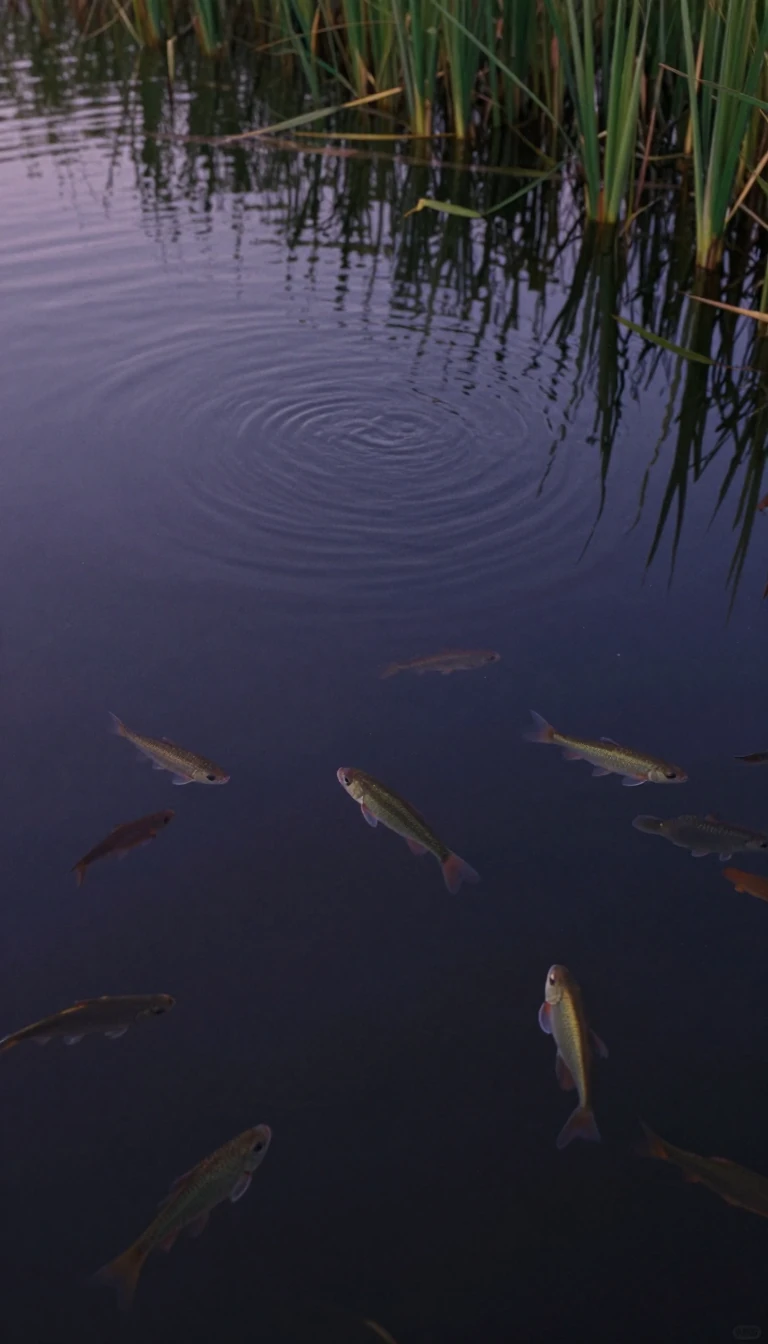
In short: Despite their name, four-eyed fish only possess two eyes. These organs are uniquely split by a horizontal band of tissue, allowing the fish to scan the air for insects while simultaneously watching the water below for threats. They are masters of the surface, thriving in the complex environments of tropical estuaries.
The genus Anableps, commonly known as four-eyed fish, consists of three distinct species native to the fresh and brackish waters of Central and South America. While they are often associated with the coastal environments of northern South America and Trinidad, they are particularly well-adapted to estuarine habitats. These regions, where river water mixes with seawater, provide the nutrient-rich conditions necessary for these surface-dwelling fish to flourish. In these zones, the interplay between tidal flow and river currents creates a dynamic environment that supports diverse life, from mangrove forests to dense beds of sea grasses.
The anatomy of the four-eyed fish is a remarkable evolutionary solution to life at the water's surface. Each eye is divided into dorsal and ventral halves by a pigmented strip of tissue. The upper half is specialized for aerial vision, while the lower half is tuned for underwater sight. To manage the different refractive properties of air and water, the lens of the eye varies in thickness from top to bottom. This allows the fish to maintain focus in two different media at once, a critical advantage for a predator that feeds primarily on terrestrial insects found at the water's surface.
Beyond their vision, these fish exhibit fascinating social and reproductive behaviors. Species like Anableps anableps are known to congregate in schools, while others, such as Anableps microlepis, may be found in smaller groups or as solitary individuals. Their reproductive strategy is equally specialized; they are livebearers that mate on one side only, requiring a specific alignment between right-handed males and left-handed females. This level of biological precision, combined with their ability to survive brief periods out of water during low tide, underscores their status as highly specialized inhabitants of the world's tidal margins.
Opens the Intellect+ feed with this card first. Swipe up for the next one.
Sources
- Summary by Intellect · source: Four-eyed fish | Surface-dwelling, Binocular Vision, Camouflage | Britannica
- Also: Four-eyed fish
- Also: Largescale Four-eyed Fish (Anableps anableps)
- Also: Finescale Four-eyed Fish (Anableps microlepis)
To cite this card, link to https://intellectplus.co.uk/app/nature-four-eyed-fish.
How we source, check and correct cards: Editorial standards.
General information, not professional advice. Spotted an error? Flag the card or see corrections and complaints.
Intellect Plus is a visual educational discovery platform for exploring fascinating facts and ideas. Brain Food, Not Brain Rot. What is Intellect Plus?
Related
More in Vertebrates · More in Nature · Latest · A–Z · All topics
