The wild ancestor of your breakfast egg has a secret, fly-tying superpower
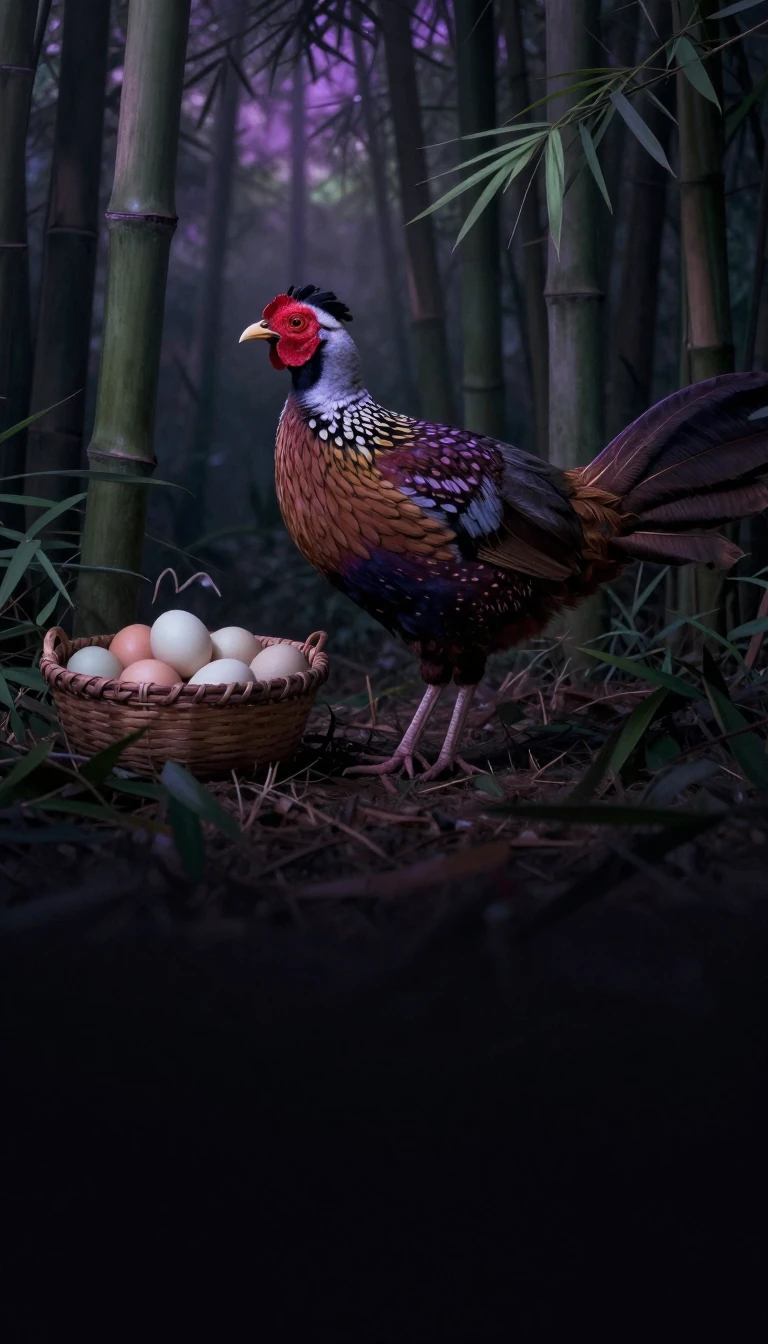
In short: The grey junglefowl is more than just a wild cousin to the domestic chicken. Its unique, hard-tipped neck feathers are prized by anglers for creating high-grade fishing lures, while its genetic legacy lives on in the yellow pigment found in the legs of nearly every chicken breed today.
Native to the Indian Peninsula, the grey junglefowl (Gallus sonneratii) is a distinct species that shares a common ancestry with the domestic chicken. While the red junglefowl is typically associated with the Himalayan foothills, the grey junglefowl occupies a broader range across peninsular India, extending into Gujarat, Madhya Pradesh, and Rajasthan. These birds are primarily ground-dwellers, foraging for grains, insects, and berries, though they retreat to trees to roost or escape predators. They are known for their distinctive, loud calls, which ring out at dawn and dusk, and their unique breeding habits, which include laying four to seven eggs in a simple scrape on the forest floor.
The male of the species is visually striking, featuring a grey, finely patterned body and a black cape adorned with ochre spots. Its most peculiar physical trait is the set of elongated neck feathers that terminate in small, hard, yellowish plates. This specific structure has made the bird a target for hunters, as these feathers are highly sought after for crafting artificial fishing flies. This commercial demand led to the establishment of domestic breeding programs in England as early as 1862, with U.K. stocks supplying the fly-tying market since 1978.
Beyond its utility in angling, the grey junglefowl holds significant evolutionary importance. Genomic studies have confirmed that the yellow pigment characteristic of domestic chicken legs is derived from a gene contributed by this species. Furthermore, research indicates complex genetic interactions, including the introgression of multiple grey junglefowl genomic regions into the domestic chicken genome. While the grey junglefowl is often considered a sister species to the Sri Lankan junglefowl—with a divergence time estimated at 1.8 million years ago—it also shares a deeper, 2.6-million-year-old evolutionary history with the red junglefowl. Despite mechanisms like genic incompatibility and behavioral differences that keep these species distinct, hybridization in the wild and in captivity remains a documented phenomenon.
Opens the Intellect+ feed with this card first. Swipe up for the next one.
Sources
- Summary by Intellect · source: Grey junglefowl
To cite this card, link to https://intellectplus.co.uk/app/nature-grey-junglefowl.
How we source, check and correct cards: Editorial standards.
General information, not professional advice. Spotted an error? Flag the card or see corrections and complaints.
Intellect Plus is a visual educational discovery platform for exploring fascinating facts and ideas. Brain Food, Not Brain Rot. What is Intellect Plus?
Related
More in Vertebrates · More in Nature · Latest · A–Z · All topics
