Why this dark, gritty rock was once mistaken for ancient Egyptian basalt
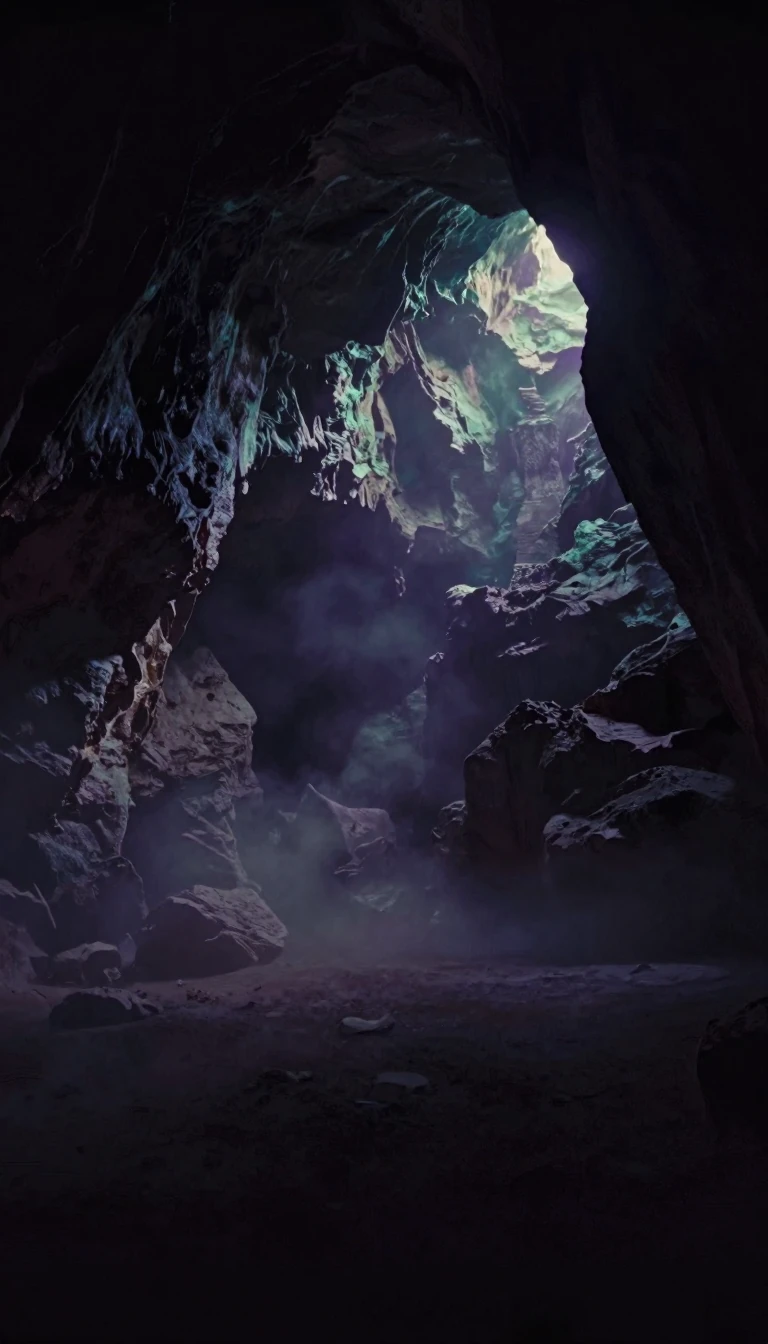
In short: Greywacke is a mysterious, poorly sorted sandstone that defies standard geological rules by mixing mud, sand, and gravel in a single bed. Long a puzzle for scientists, this dark, durable stone was prized by ancient civilizations for sculpture, often masquerading as basalt in historical records until modern analysis intervened.
Greywacke, or wacke, is a complex sedimentary rock composed of a heterogeneous mixture of quartz, feldspar, and rock fragments, all held together by a mud matrix that typically makes up 15 to 40 percent of its volume. Unlike many sandstones that undergo extensive chemical weathering and sorting, greywacke preserves the composition of its source material. Its particles are characteristically angular, and the rock is often referred to as a microbreccia because of its chaotic, poorly sorted texture. These rocks are found throughout geologic history, from the Archean eon—3.8 to 2.5 billion years ago—to the present day.
The formation of greywacke was long a geological enigma because it violates the traditional laws of sedimentation, which suggest that gravel, sand, and mud should settle in separate layers. We now know that most greywackes are deposited in deep water by turbidity currents—powerful, gravity-driven submarine avalanches. These currents churn sediment into a slurry, creating distinctive features like graded bedding, where the coarsest pebbles settle at the base, and sole markings on the undersurfaces of beds. Because these sediments are transported rapidly and deposited quickly, they undergo very little reworking, leaving the rock chemically homogeneous and rich in minerals like aluminum oxide and ferrous oxide.
Beyond its scientific interest, greywacke has a storied history in human craftsmanship. In ancient Egypt, the fine-grained variety from Wadi Hammamat was known as 'bekhen' stone and was highly valued for vessels and intricate sculptures. Because of its dark color and compact structure, it was frequently misidentified as basalt in archaeological literature for centuries. Its utility persists today; because of its unique, mixed-grain appearance, it is a preferred material for practitioners of traditional motion picture miniature photography, as it maintains a natural look across a vast range of scale ratios, from 1:1 to 1:600.
Opens the Intellect+ feed with this card first. Swipe up for the next one.
Sources
- Summary by Intellect · source: Sedimentary rock - Wackes, Stratification, Deposition | Britannica
- Also: Greywacke
To cite this card, link to https://intellectplus.co.uk/app/nature-greywacke.
How we source, check and correct cards: Editorial standards.
General information, not professional advice. Spotted an error? Flag the card or see corrections and complaints.
Intellect Plus is a visual educational discovery platform for exploring fascinating facts and ideas. Brain Food, Not Brain Rot. What is Intellect Plus?
Related
More in Geology · More in Nature · Latest · A–Z · All topics
