Why geologists group rock layers to map the history of the Earth
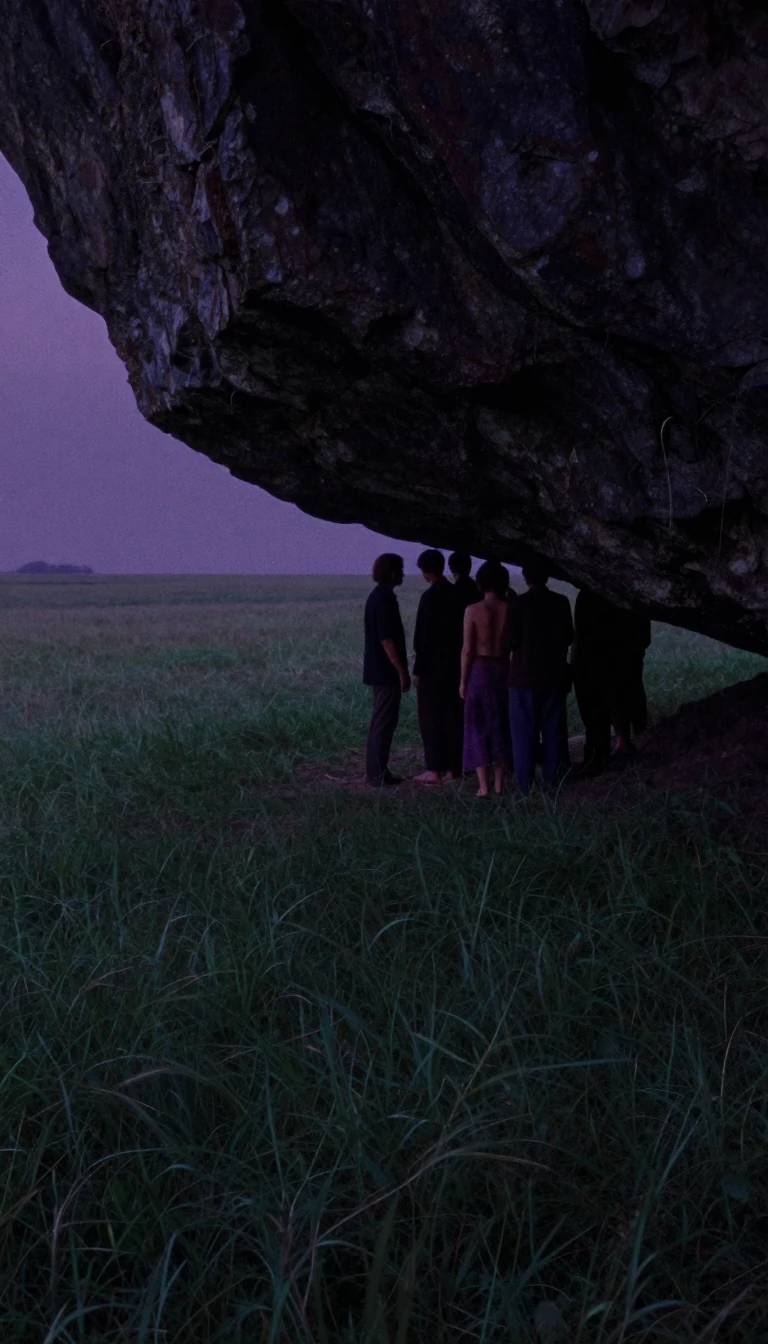
In short: In the complex world of geology, a group is more than just a collection of rocks. It is a strategic classification of related formations that helps scientists organize vast landscapes. Understanding these groupings reveals how ancient environments, like massive deserts, left their mark on the planet's physical structure.
At the heart of lithostratigraphy lies the formation, the fundamental unit used to categorize layers of rock. When geologists encounter a series of these formations that share a logical connection, they classify them together as a group. This hierarchy allows for small-scale mapping and provides a clearer picture of the stratigraphy across large regions. In some cases, groups can even be combined into larger supergroups, creating a nested system that simplifies the study of complex geological terrains.
The utility of a group is evident in the Glen Canyon Group, which spans several distinct layers including the Wingate Sandstone and the Navajo Sandstone. While each of these formations is distinct in its lithology, they are united by their shared origin within a single, vast erg. This classification is flexible; not every formation within a group is necessarily present in every location where that group is found. Furthermore, geologists working in new, unexplored areas may define a group before they have enough data to divide the strata into individual formations, using the group as a placeholder for future research.
However, the use of groups is not without its pitfalls. Historically, some groups in northwestern Europe, such as the Rotliegend or the Lias, were used to define units of time. This practice caused significant confusion, as lithostratigraphic units are defined by rock characteristics rather than time. Consequently, the International Commission on Stratigraphy (ICS) has excluded these names from the official geologic timescale to prevent ambiguity. Crucially, a group must be defined by its physical makeup, never by fossil taxonomy, ensuring that the classification remains grounded in the tangible reality of the earth's crust rather than biological evolution.
Opens the Intellect+ feed with this card first. Swipe up for the next one.
Sources
- Summary by Intellect · source: Group (stratigraphy)
To cite this card, link to https://intellectplus.co.uk/app/nature-group-stratigraphy.
How we source, check and correct cards: Editorial standards.
General information, not professional advice. Spotted an error? Flag the card or see corrections and complaints.
Intellect Plus is a visual educational discovery platform for exploring fascinating facts and ideas. Brain Food, Not Brain Rot. What is Intellect Plus?
Related
More in Geology · More in Nature · Latest · A–Z · All topics
