Mudrocks make up half of all sedimentary rocks, yet they remain geologically mysterious.
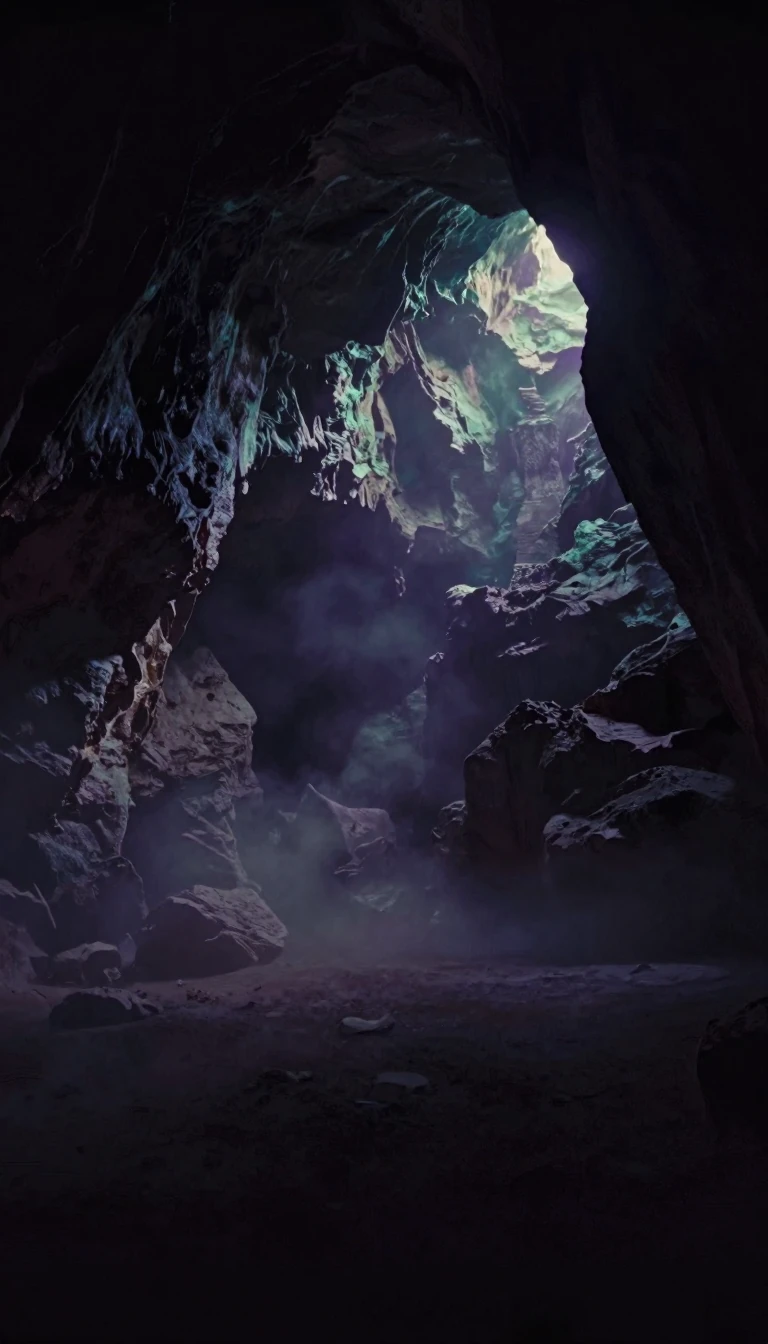
In short: These fine-grained deposits are the most widespread rocks on Earth, yet they are notoriously difficult to classify and study. From the Himalayas to the Amazon, mudrocks record the history of our planet's climate and hold vast energy reserves, hiding secrets in particles smaller than a human hair.
Mudrocks are fine-grained sedimentary rocks composed of particles smaller than 1/16 of a millimeter. While they account for at least 50% of the geologic record, they are frequently understudied compared to other rock types. This is largely due to their diminutive grain size, which makes field analysis difficult, and the lack of a single, universally accepted classification scheme among scientists.
The primary components of mudrocks are silt and clay. Silt-sized particles, ranging from 1/16 to 1/256 of a millimeter, are typically products of physical weathering like freezing and thawing. Clay-sized particles, smaller than 1/256 of a millimeter, are often created through chemical weathering of minerals like feldspar and volcanic glass. Because clay particles are 1/1000 the size of sand grains, they require extremely quiet water conditions to settle, which is why most mudrocks accumulate in deep oceans, lakes, or low-energy deltas.
Distinguishing between types of mudrock often comes down to texture and composition. Shale is defined by its fissility, or the ability to split into thin, parallel layers. Mudstone lacks this layering, sometimes due to burrowing organisms disrupting the sediment before it hardens. Siltstone is dominated by silt-sized grains, which can be identified in the field by a characteristic gritty feeling against one's teeth. Organic-rich black shales are particularly significant, as they can contain up to 20% organic carbon, serving as vital source rocks for hydrocarbons when buried at depths of three to six kilometers.
Beyond their role in the energy industry, mudrocks provide a robust account of paleoclimate consistency. Ancient lake deposits, in particular, offer a detailed record of environmental changes over time. As technology improves, our ability to analyze these ubiquitous rocks continues to grow, shedding light on the complex processes of erosion and deposition that have shaped the Earth's surface since the dawn of civilization.
Opens the Intellect+ feed with this card first. Swipe up for the next one.
Sources
- Summary by Intellect · source: Mudrock
To cite this card, link to https://intellectplus.co.uk/app/nature-mudrock.
How we source, check and correct cards: Editorial standards.
General information, not professional advice. Spotted an error? Flag the card or see corrections and complaints.
Intellect Plus is a visual educational discovery platform for exploring fascinating facts and ideas. Brain Food, Not Brain Rot. What is Intellect Plus?
Related
More in Geology · More in Nature · Latest · A–Z · All topics
