Why the hinny is more than just a less common version of the mule
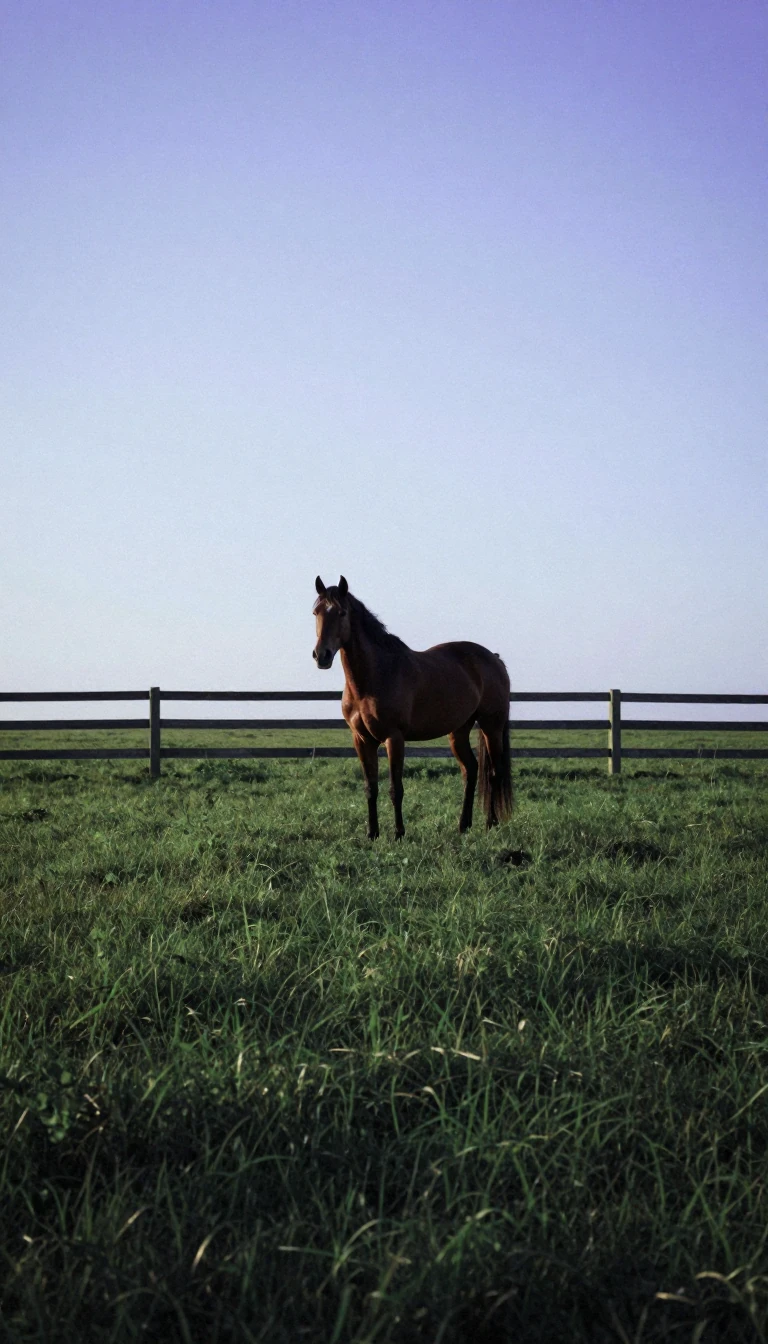
In short: While often overshadowed by the mule, the hinny is a distinct equine hybrid born from a stallion and a female donkey. This reciprocal cross results in unique physical traits and temperaments, shaped by the complex biological process of genomic imprinting, making them a fascinating subject for those studying animal genetics.
The hinny is a domestic equine hybrid, produced specifically by the mating of a male horse, known as a stallion, and a female donkey, called a jenny. This pairing is the reciprocal cross of the more frequently encountered mule, which is sired by a male donkey, or jack, and birthed by a female horse, or mare. Because of these different parental contributions, the hinny possesses a distinct physiological profile and temperament compared to its more famous counterpart.
Physical characteristics in these hybrids are heavily influenced by the sire and dam. Generally, the head and foreparts of the animal resemble the father, while the hindparts and tail reflect the mother. Consequently, a hinny typically appears smaller than a mule, sporting a lighter head and shorter ears. The tail of the hinny is notably tasselled, mirroring that of its donkey mother. Historically, confusion surrounding these animals led to folklore myths; many creatures once identified as jumarts—supposed hybrids between horses and cows—were later revealed to be hinnies.
The differences between hinnies and mules are rooted in genomic imprinting, a form of epigenetic inheritance where genes are expressed differently depending on which parent they are inherited from. Even though these hybrids share nuclear genomes, this imprinting process dictates their unique temperaments and physical development. Like mules, hinnies exhibit hybrid vigour, or heterosis, yet they are almost universally considered sterile. While male hinnies may engage in mating behavior, their testicles produce malformed spermatozoa. Although there was a report of a foal born in Henan, China, in 1981, the identity of the dam as either a mule or a hinny remains a subject of varying accounts, leaving the question of their reproductive capabilities largely settled in the negative by most observers.
Opens the Intellect+ feed with this card first. Swipe up for the next one.
Sources
- Summary by Intellect · source: Hinny
To cite this card, link to https://intellectplus.co.uk/app/nature-hinny.
How we source, check and correct cards: Editorial standards.
General information, not professional advice. Spotted an error? Flag the card or see corrections and complaints.
Intellect Plus is a visual educational discovery platform for exploring fascinating facts and ideas. Brain Food, Not Brain Rot. What is Intellect Plus?
Related
More in Animal breeds and hybrids · More in Nature · Latest · A–Z · All topics
