Before modern sharks ruled the oceans, hump-backed predators dominated the ancient seas.
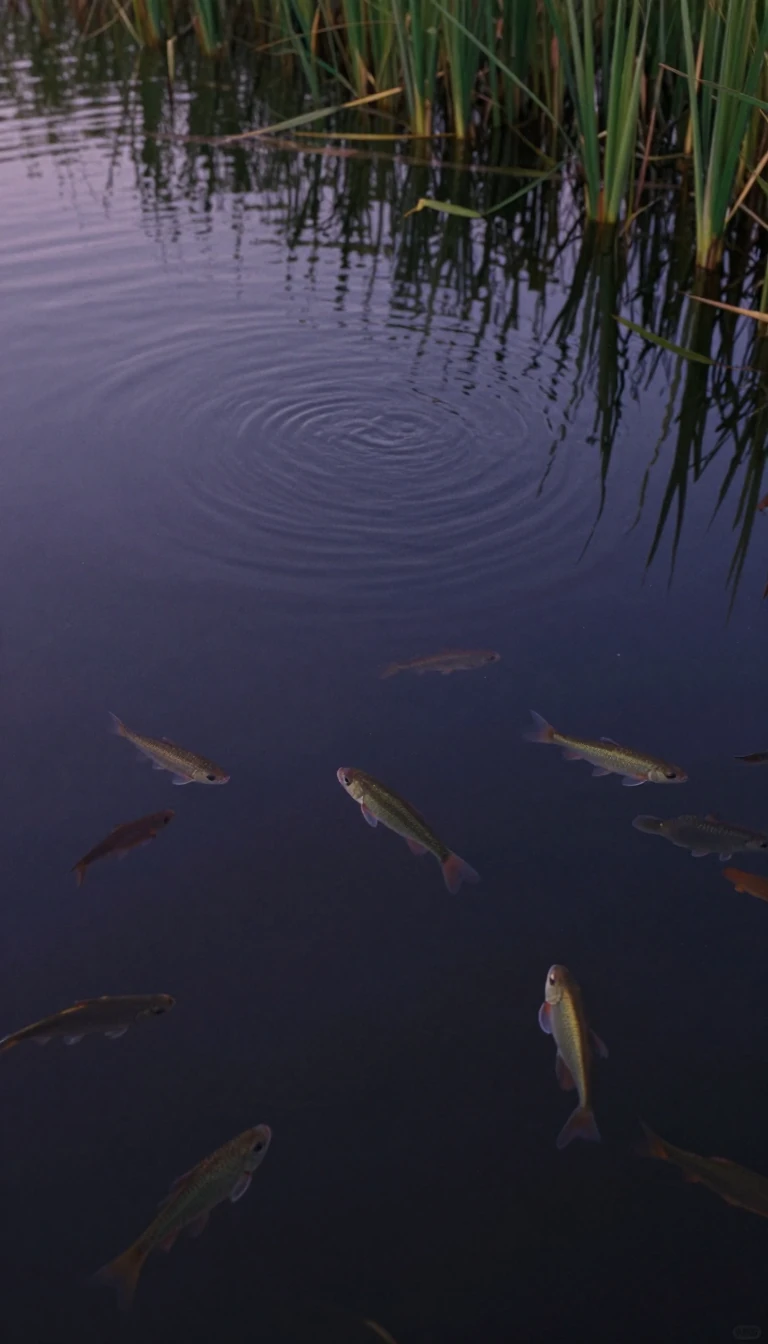
In short: Long before modern sharks claimed the open ocean, the Hybodontiformes thrived as a diverse group of cartilaginous fish. Ranging from tiny swimmers to three-meter predators, these ancient creatures possessed unique head spines and specialized teeth, eventually vanishing during the massive extinction event that ended the age of dinosaurs.
The Hybodontiformes, or hybodonts, represent an extinct lineage of shark-like fish that emerged during the late Devonian period, roughly 360 million years ago. As members of the Euselachii clade, they share a common ancestry with modern sharks and rays, yet they evolved distinct physical traits. Most notably, males featured specialized cephalic spines behind their eyes, likely used to grip females during mating. Their bodies were robust, supported by cartilaginous skeletons that rarely fossilize, leaving scientists to rely primarily on their durable teeth and fin spines for identification.
These predators were incredibly adaptable, occupying both marine and freshwater environments across the globe. Their teeth were remarkably varied, reflecting a diet that included everything from crushing hard-shelled prey to tearing through faster, soft-bodied animals like belemnites. Unlike any living cartilaginous fish, some hybodonts appear to have laid their eggs in freshwater habitats, anchoring them to vegetation using specialized tendrils. Evidence from sites like the Madygen Formation in Kyrgyzstan suggests they even utilized specific nursery areas, where juveniles matured before venturing into deeper waters.
During the Triassic and early Jurassic periods, hybodonts were the primary elasmobranchs in most aquatic ecosystems. However, as modern sharks began to diversify during the late Jurassic, hybodonts were gradually pushed out of open marine environments. While they remained successful in rivers and coastal regions throughout the Cretaceous, their numbers dwindled to just a few species by the end of that era. Their final disappearance occurred suddenly alongside the dinosaurs, roughly 66 million years ago, marking the end of a lineage that had persisted for nearly 300 million years.
Opens the Intellect+ feed with this card first. Swipe up for the next one.
Sources
- Summary by Intellect · source: Hybodontiformes
To cite this card, link to https://intellectplus.co.uk/app/nature-hybodontiformes.
How we source, check and correct cards: Editorial standards.
General information, not professional advice. Spotted an error? Flag the card or see corrections and complaints.
Intellect Plus is a visual educational discovery platform for exploring fascinating facts and ideas. Brain Food, Not Brain Rot. What is Intellect Plus?
Related
More in Vertebrates · More in Nature · Latest · A–Z · All topics
