Why this small dinosaur was named after a lizard it never actually resembled
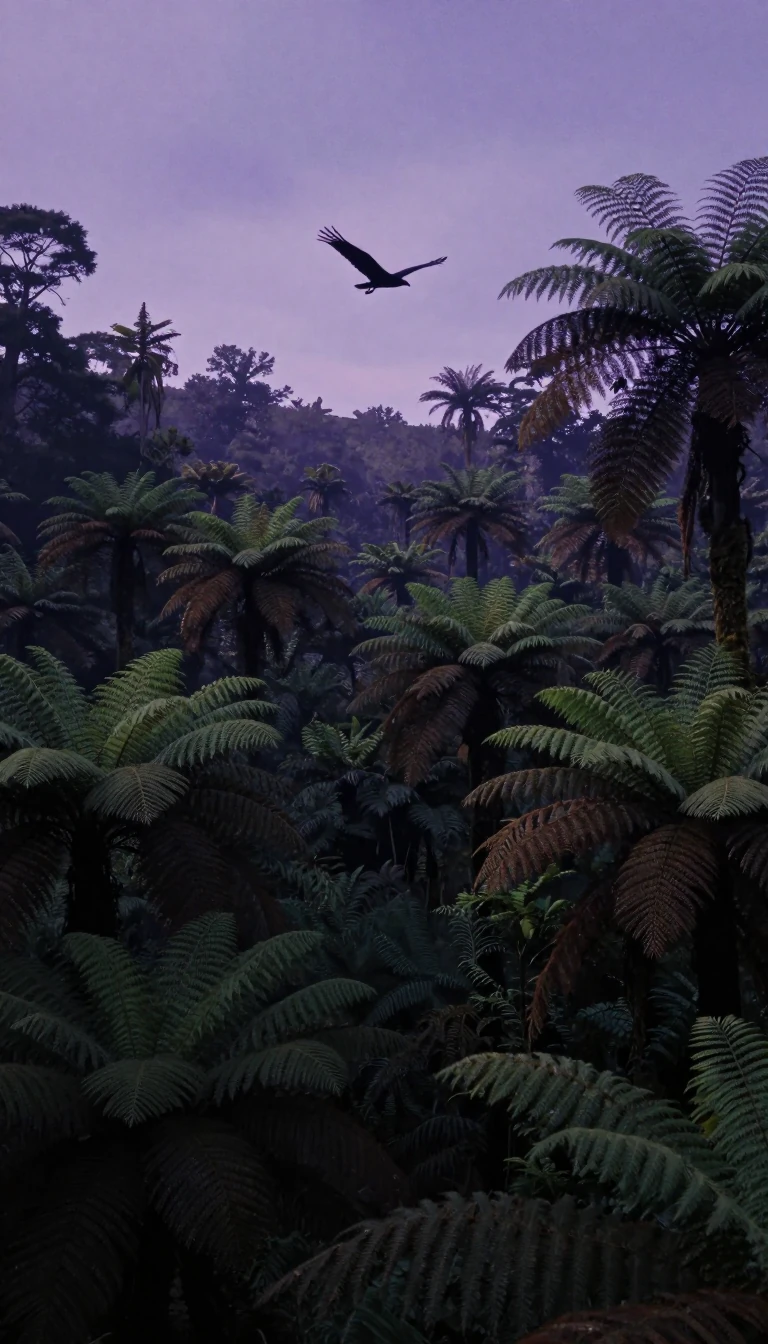
In short: Hypsilophodon was a nimble, bipedal herbivore that roamed prehistoric England. Despite its name, which translates to high-crested tooth, the creature lacked crested teeth entirely. The moniker was a linguistic invention by Thomas Henry Huxley, who drew inspiration from the iguana to name this distinct Early Cretaceous species in 1869.
Discovered on the Isle of Wight, Hypsilophodon has long been the subject of paleontological correction. Early researchers mistakenly assumed the dinosaur was arboreal, a theory born from a misunderstanding of its toe structure. We now recognize it as a ground-dwelling, agile runner that likely moved in groups, similar to modern deer. Its physical build was modest, measuring up to two meters in length and weighing roughly 20 to 60 kilograms, depending on the specific specimen and estimate. It possessed a sharp, turtle-like beak for clipping vegetation and five-fingered hands for grasping food, supported by a body structure that allowed it to thrive in the humid, river-rich environment of the Early Cretaceous.
The naming of Hypsilophodon is a classic case of taxonomic creativity. Thomas Henry Huxley, seeking a name that mirrored the style of Iguanodon, combined the Latin name for the iguana—Hypsilophus, meaning high crest—with the Greek suffix for tooth. Because Hypsilophus refers to the back frill of a lizard rather than dental anatomy, the name is technically a misnomer. The dinosaur’s actual teeth were broad and chisel-like, designed for grinding plant matter, and it lacked the high-ridged teeth the name might imply. This confusion persists in popular discourse, yet the scientific record remains clear: the name honors a naming convention rather than the animal's physical features.
Taxonomically, Hypsilophodon is classified as an ornithischian, or bird-hipped dinosaur. While the name suggests a direct evolutionary link to modern birds, this is a misconception; birds actually descended from saurischian, or lizard-hipped, ancestors. Furthermore, there is no evidence that Hypsilophodon possessed feathers. While some ornithischians like Psittacosaurus show primitive feather-like structures, these are rare exceptions. As of now, the fossil record for Hypsilophodon shows no such covering. Today, the Isle of Wight remains a critical site for these fossils, providing a window into a time when these herbivores dominated the landscape, marking a significant era in the history of terrestrial vertebrates.
Opens the Intellect+ feed with this card first. Swipe up for the next one.
Sources
- Summary by Intellect · source: Hypsilophodon | Natural History Museum
- Also: Hypsilophodon | Small, Ornithopod & Herbivore | Britannica
- Also: Hypsilophodon
To cite this card, link to https://intellectplus.co.uk/app/nature-hypsilophodon.
How we source, check and correct cards: Editorial standards.
General information, not professional advice. Spotted an error? Flag the card or see corrections and complaints.
Intellect Plus is a visual educational discovery platform for exploring fascinating facts and ideas. Brain Food, Not Brain Rot. What is Intellect Plus?
Related
More in Vertebrates · More in Nature · Latest · A–Z · All topics
