How molten magma carves the Earth's hidden architecture from the inside out
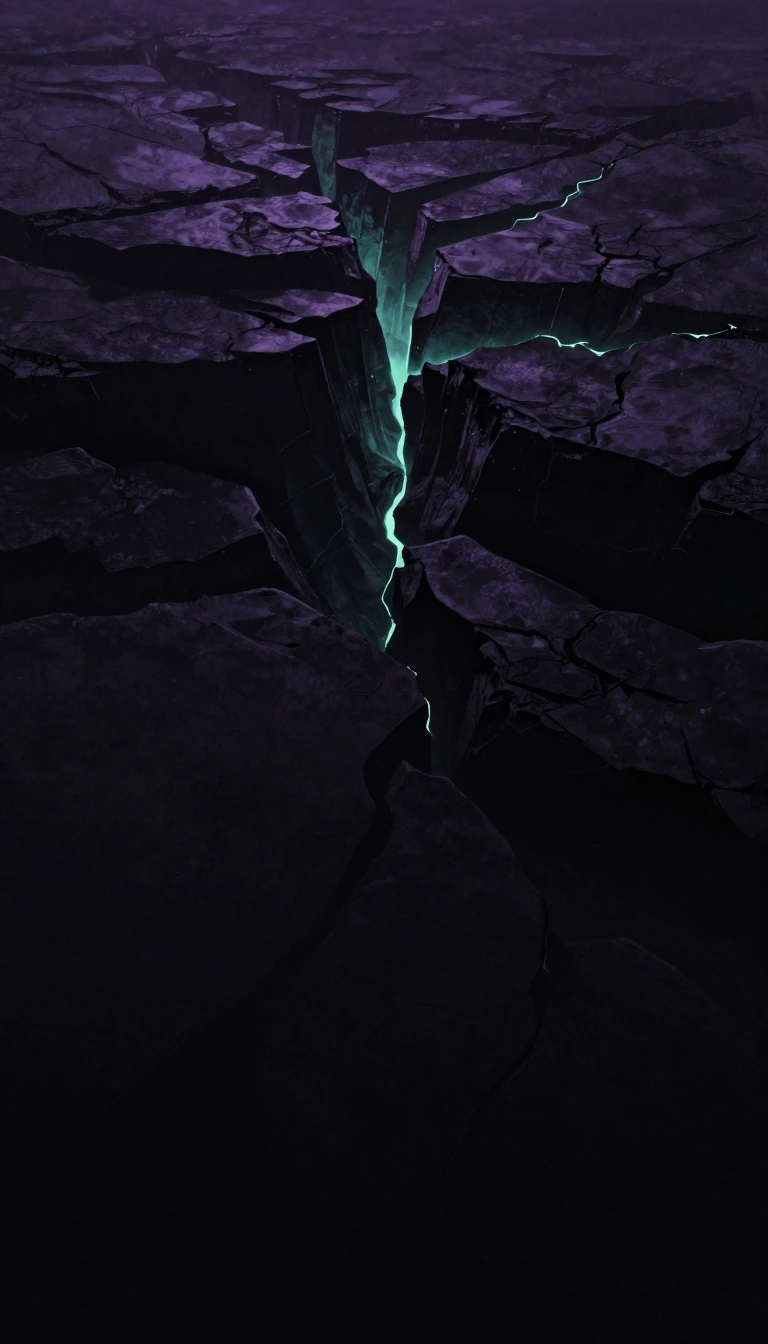
In short: When magma invades the Earth's crust, it does not just fill space; it sculpts it. Depending on its density and silica content, this molten rock can form everything from thin, vertical dykes to massive, saucer-shaped lopoliths, fundamentally reshaping the landscape as it cools and solidifies beneath our feet.
Igneous intrusions occur when molten magma forces its way into the Earth's upper layers. The final shape of these bodies is largely dictated by gravity acting on density differences between the magma and the surrounding wall rock. Silica-rich magmas, such as granitic types, are relatively low-density and buoyant, often causing the overlying rock to subside as they rise. In contrast, silica-poor, basaltic magmas are denser and tend to maintain a closer hydrostatic equilibrium with their surroundings.
The variety of forms these intrusions take is vast. Dykes are sheet-like bodies that cut across existing rock layers, while sills intrude parallel to them. Some structures are truly gargantuan; the Bushveld Complex in South Africa, a lopolith, spans over 550 km and reaches 8 km in thickness. Others, like the Great Dyke of Zimbabwe, stretch over 700 km in length. These formations often contain significant economic deposits, including nickel, copper, and platinum.
Intrusions also interact with the country rock through processes like stoping, where rising magma breaks off and incorporates blocks of the roof, creating xenoliths. In some cases, such as diapiric plutons, the magma forces its way upward, intensely deforming and stretching the adjacent rock. While these features are now visible due to erosion, the fundamental question of how large volumes of magma physically displace the solid crust to create space—known as the 'room problem'—remains a subject of active geological investigation.
Opens the Intellect+ feed with this card first. Swipe up for the next one.
Sources
- Summary by Intellect · source: Igneous intrusions
- Also: Igneous intrusion
To cite this card, link to https://intellectplus.co.uk/app/nature-igneous-intrusion.
How we source, check and correct cards: Editorial standards.
General information, not professional advice. Spotted an error? Flag the card or see corrections and complaints.
Intellect Plus is a visual educational discovery platform for exploring fascinating facts and ideas. Brain Food, Not Brain Rot. What is Intellect Plus?
Related
More in Geology · More in Nature · Latest · A–Z · All topics
