Why the boundaries between tectonic plates are the most volatile places on Earth
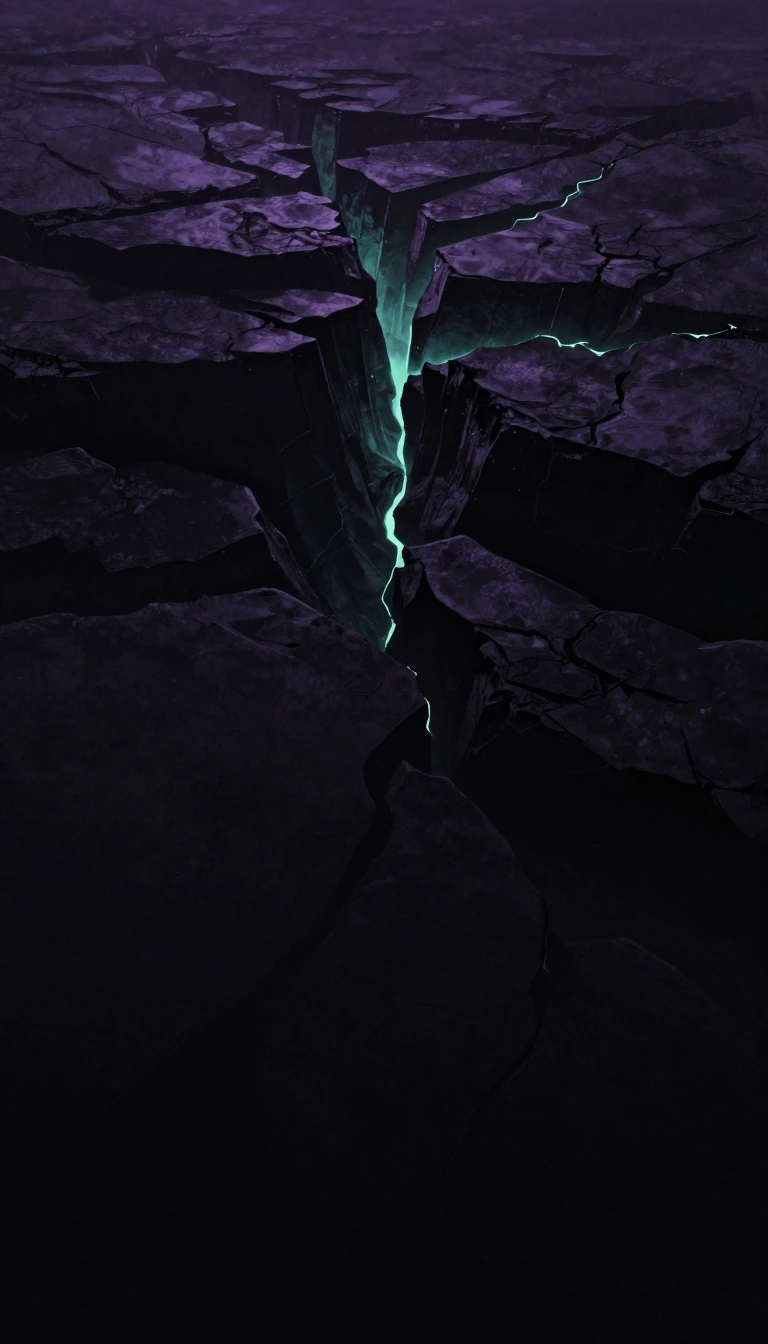
In short: Interplate earthquakes occur at the meeting points of tectonic plates, where locked sections suddenly slip to release accumulated stress. These events are responsible for over 90 percent of the world's total seismic energy. Understanding how these boundaries behave is essential for predicting the most powerful tremors on the planet.
Interplate earthquakes occur when tectonic plates, which are otherwise locked in place, experience a sudden brittle failure. As plates move against each other—whether sliding laterally, pulling apart, or colliding—stress builds up until the boundary slips. This displacement generates seismic waves that radiate through the crust. Because these boundaries are the primary sites of global seismic energy release, they are responsible for the largest events recorded, including massive megathrust earthquakes at subduction zones.
While interplate earthquakes are frequent and powerful, they differ fundamentally from intraplate earthquakes, which occur within a single plate. Research indicates that interplate boundaries are structurally weaker than the plates themselves. This is reflected in stress drop values, which are systematically six times lower for interplate events. Unlike intraplate quakes, where stress is distributed uniformly, interplate stress is concentrated in specific zones. Furthermore, interplate events release this energy almost immediately, whereas intraplate events tend to release it more gradually.
The mechanics of these boundaries also influence geological processes like basal erosion. Some models suggest that erosion at subduction zones does not happen steadily but occurs in bursts during periods of heightened seismic activity. Additionally, while interplate earthquakes can trigger tsunamis through sudden seafloor uplift, they are not the sole cause; the specific way an earthquake releases stress and its proximity to the surface play critical roles in wave generation. Scientists are now studying precursory tremors—small, irregular movements that sometimes precede major events—to develop better mitigation strategies for high-risk regions like California, Japan, and the Mediterranean.
Opens the Intellect+ feed with this card first. Swipe up for the next one.
Sources
- Summary by Intellect · source: Interplate earthquake
To cite this card, link to https://intellectplus.co.uk/app/nature-interplate-earthquake.
How we source, check and correct cards: Editorial standards.
General information, not professional advice. Spotted an error? Flag the card or see corrections and complaints.
Intellect Plus is a visual educational discovery platform for exploring fascinating facts and ideas. Brain Food, Not Brain Rot. What is Intellect Plus?
Related
More in Geology · More in Nature · Latest · A–Z · All topics
