Why island nations are paradoxically both the most stable and most vulnerable states
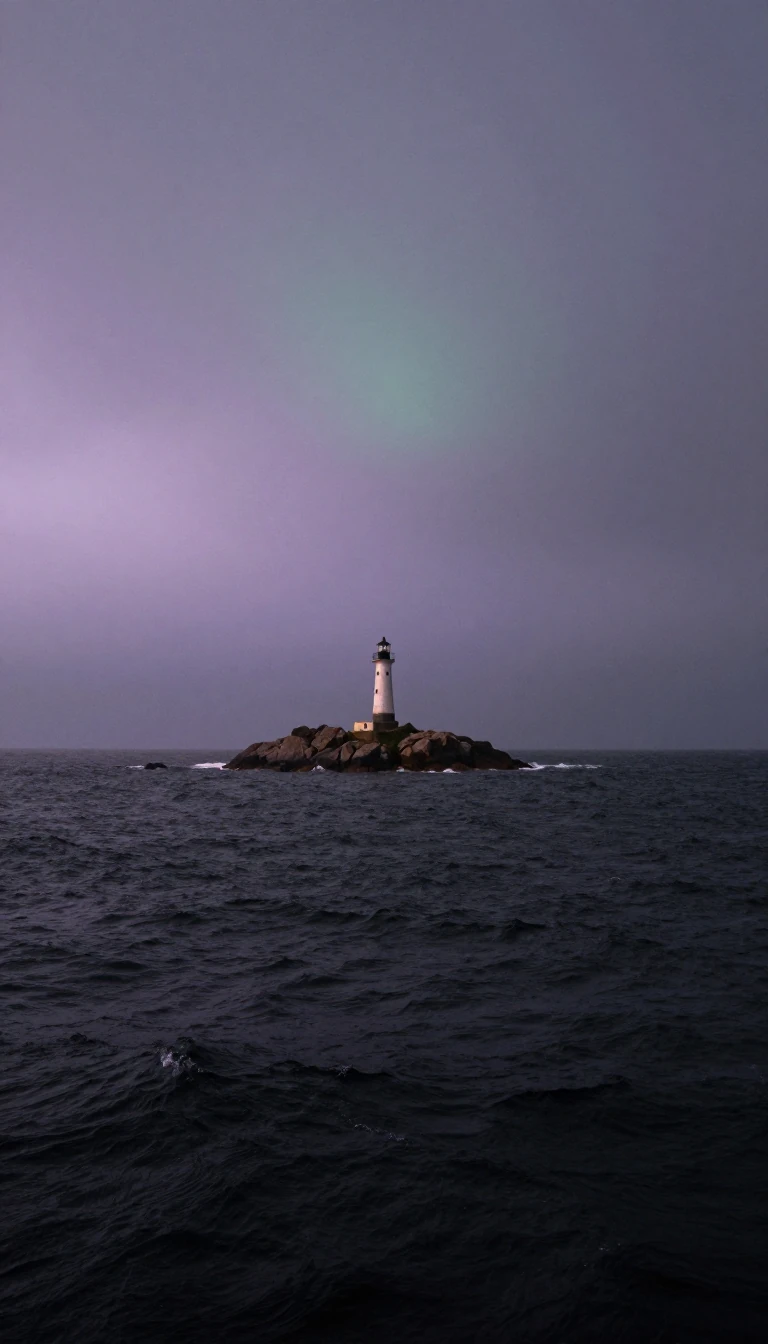
In short: Island countries make up a quarter of the world's sovereign states, yet they occupy a unique geopolitical space. While historically more democratic and stable than continental neighbors, their reliance on maritime borders and low-lying geography leaves them uniquely exposed to the existential threats of global climate change and naval conquest.
An island country is defined as a sovereign state whose territory consists of one or more islands. While some, like Indonesia, are massive and populous, others are tiny archipelagos. Their geography dictates their survival; many rely on tourism, fishing, or financial services, but their isolation and limited landmass make them highly sensitive to global economic shifts and shipping costs. Despite these constraints, some have thrived by leveraging their strategic positions, such as Singapore’s evolution into a global financial hub.
Historically, these nations have often been targets for colonial powers seeking naval dominance. During the Age of Discovery, European empires established colonies to exploit resources, fundamentally altering local demographics through sugar plantations and the use of enslaved labor. Today, the legacy of this era has shifted into a modern struggle for sovereignty. Many nations, such as Jamaica, which gained independence in 1962, and Mauritius in 1968, now navigate complex partnerships to manage their security and economic development.
The most pressing modern challenge is environmental. For Small Island Developing States like the Maldives and Tuvalu, climate change is not a distant threat but an immediate crisis. Rising sea levels, coastal erosion, and increased extreme weather events like cyclones threaten their infrastructure, freshwater supplies, and, in some cases, their very existence. As a result, these nations have become some of the most vocal advocates for global climate action, balancing the need for economic growth with the urgent requirement for climate resilience.
Despite these pressures, island countries remain distinct in their political character. They tend to be more democratic than continental states and, while vulnerable to foreign interference, their isolation can also serve as a natural defense. Whether they are single-island nations like Cuba or vast archipelagos like the Philippines, they continue to adapt, often turning to renewable energy sources to secure a sustainable future in an increasingly volatile world.
Opens the Intellect+ feed with this card first. Swipe up for the next one.
Sources
- Summary by Intellect · source: Island country
To cite this card, link to https://intellectplus.co.uk/app/nature-island-country.
How we source, check and correct cards: Editorial standards.
General information, not professional advice. Spotted an error? Flag the card or see corrections and complaints.
Intellect Plus is a visual educational discovery platform for exploring fascinating facts and ideas. Brain Food, Not Brain Rot. What is Intellect Plus?
Related
More in Physical geography · More in Nature · Latest · A–Z · All topics
