Isle Royale's moose population likely arrived by human design, not by swimming across lakes.
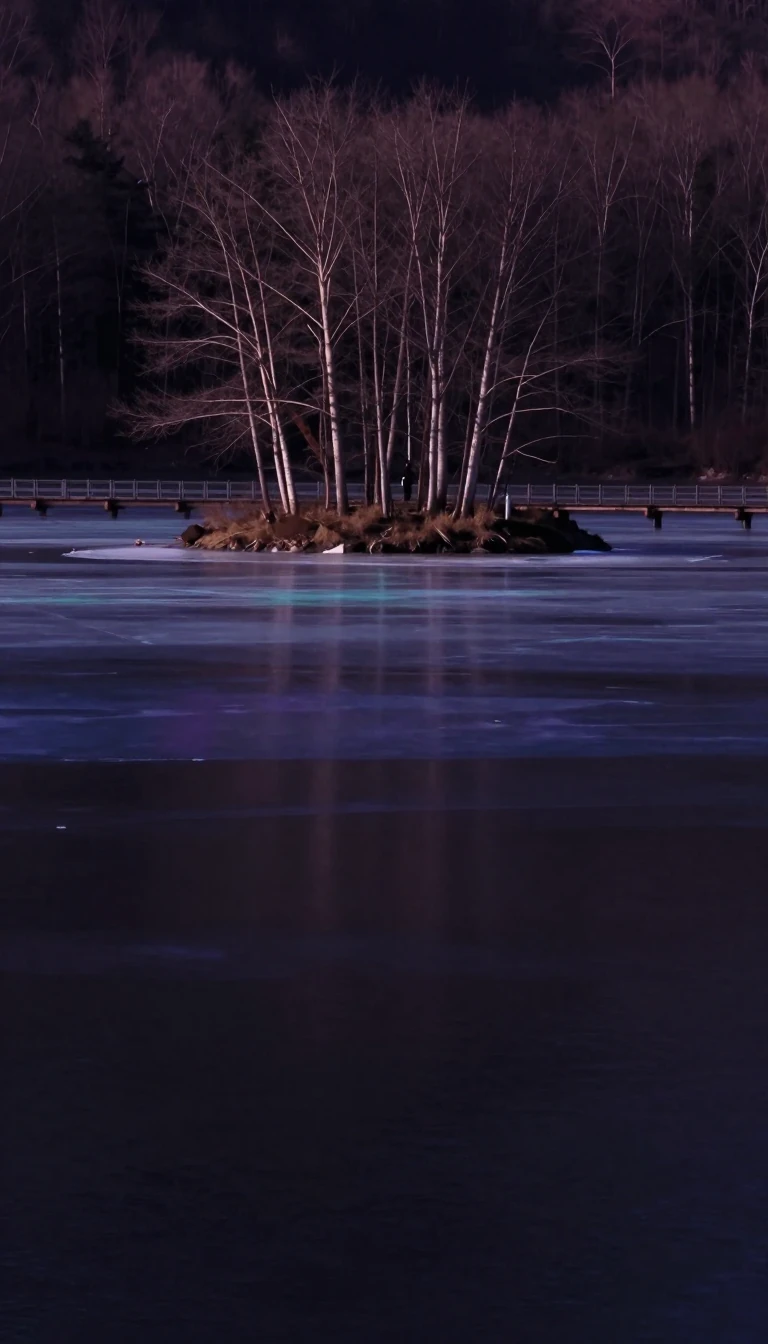
In short: This remote Lake Superior island is famous for its predator-prey studies, yet its most iconic mammal may be an invasive species. While long-standing theories suggested moose swam twenty miles or crossed ice bridges to colonize the park, genetic and cultural evidence points to a deliberate, human-led introduction in the early 1900s.
Isle Royale National Park, established in 1940, sits in Lake Superior as a rugged, roadless wilderness. Spanning over 200 square miles, the island is defined by Precambrian volcanic ridges and a unique, isolated ecosystem. Because of its extreme remoteness, the park hosts only about one-third of the mammal species found on the nearby mainland. This isolation has made it a premier laboratory for scientists studying predator-prey dynamics, specifically the cyclical relationship between wolves and moose.
The origin of the island's moose population has long been a subject of debate. Early narratives claimed a small herd swam across the lake or crossed winter ice, but these theories lacked rigorous scientific scrutiny. Recent genetic analysis reveals that the island's moose are more closely related to populations in northwestern Minnesota and Manitoba than to those in the adjacent Ontario or northeastern Minnesota regions. This suggests the Washington Harbor Club, a group of wealthy businessmen with rail access to the northwest, likely transported the animals to create a private hunting preserve between 1905 and 1912.
The island's history is equally marked by human exploitation. Indigenous peoples mined copper here as early as 3000 B.C., leaving behind thousands of pits and trenches. Modern efforts in the 19th century failed due to the island's isolation and the small scale of copper deposits. Today, the park is a protected wilderness, though it retains ghosts of its past, from the shipwrecks popular with divers to the descendants of Scandinavian fishermen who still hold lifetime leases on their cabins. The park remains a rare place where wolves and moose coexist without bears, a fragile balance that requires active management, including the recent relocation of wolves to prevent extinction due to inbreeding.
Opens the Intellect+ feed with this card first. Swipe up for the next one.
Sources
- Summary by Intellect · source: Isle Royale National Park
To cite this card, link to https://intellectplus.co.uk/app/nature-isle-royale-national-park.
How we source, check and correct cards: Editorial standards.
General information, not professional advice. Spotted an error? Flag the card or see corrections and complaints.
Intellect Plus is a visual educational discovery platform for exploring fascinating facts and ideas. Brain Food, Not Brain Rot. What is Intellect Plus?
Related
More in Physical geography · More in Nature · Latest · A–Z · All topics
