The Kagu is a flightless, ghost-like bird that sings duets in New Caledonia's forests.
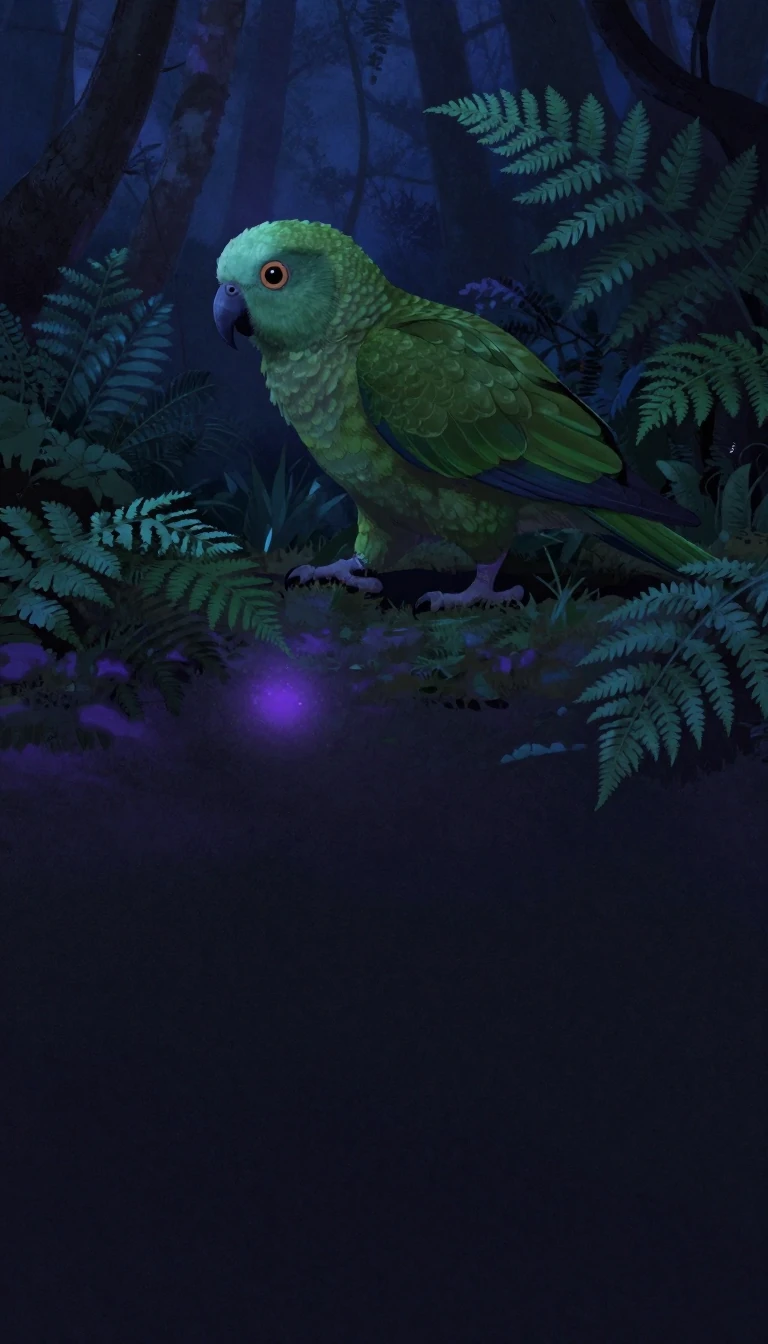
In short: Endemic to the mountains of New Caledonia, the kagu is a mysterious, nearly flightless bird with unique nasal corns and bright red legs. Once considered a ghost of the forest by local tribes, this ash-grey creature relies on cooperative breeding and complex social structures to survive in a rapidly changing environment.
The kagu (Rhynochetos jubatus) is a singular evolutionary enigma. As the sole living member of the family Rhynochetidae, its biological affinities have long puzzled scientists. While historically grouped with the Gruiformes, modern research suggests a closer relationship with the sunbittern of Central and South America. These two species likely represent a distinct Gondwanan lineage, having diverged from a common ancestor during the Oligocene, roughly 45 to 17 million years ago. Their arrival in New Caledonia occurred between 60 and 25 million years ago, where the absence of terrestrial predators eventually led to the kagu's near-flightlessness.
Physiologically, the kagu is highly specialized. It possesses unique nasal corns—structures covering its nostrils—presumed to protect the bird while it probes soil for invertebrate prey. Its blood chemistry is equally unusual, featuring only one-third the red blood cell count of typical birds, compensated by significantly higher hemoglobin concentrations. These adaptations support a life spent mostly on the forest floor, where the bird uses its wings not for flight, but for territorial displays, gliding during escape, and a 'broken-wing' performance to distract predators from its chick.
The species maintains a complex, clan-based social organization, with families typically consisting of a breeding female and one to three males. Offspring may remain within the parental territory for up to six years, assisting in defense. This cooperative behavior is vital, as the kagu faces severe threats from introduced mammals like dogs, cats, and pigs, which have disrupted their natural social structures. Furthermore, environmental factors such as heavy metals in the soil have been shown to impact their reproductive success, body mass, and home range size, making conservation efforts in specific, low-metal habitats essential for their future.
Culturally, the kagu holds a profound place in New Caledonian identity. Known as the 'ghost of the forest' to some Kanak tribes, its crests were used in chiefly head-dresses, and its calls were integrated into traditional war dances. Today, it serves as a high-profile emblem for the territory, symbolizing the urgent need to protect unique island ecosystems from the devastating impacts of human colonization and invasive species.
Opens the Intellect+ feed with this card first. Swipe up for the next one.
Sources
- Summary by Intellect · source: Kagu
To cite this card, link to https://intellectplus.co.uk/app/nature-kagu.
How we source, check and correct cards: Editorial standards.
General information, not professional advice. Spotted an error? Flag the card or see corrections and complaints.
Intellect Plus is a visual educational discovery platform for exploring fascinating facts and ideas. Brain Food, Not Brain Rot. What is Intellect Plus?
Related
More in Vertebrates · More in Nature · Latest · A–Z · All topics
