Could this three-meter-tall prehistoric bird outrun a human across the Patagonian plains?
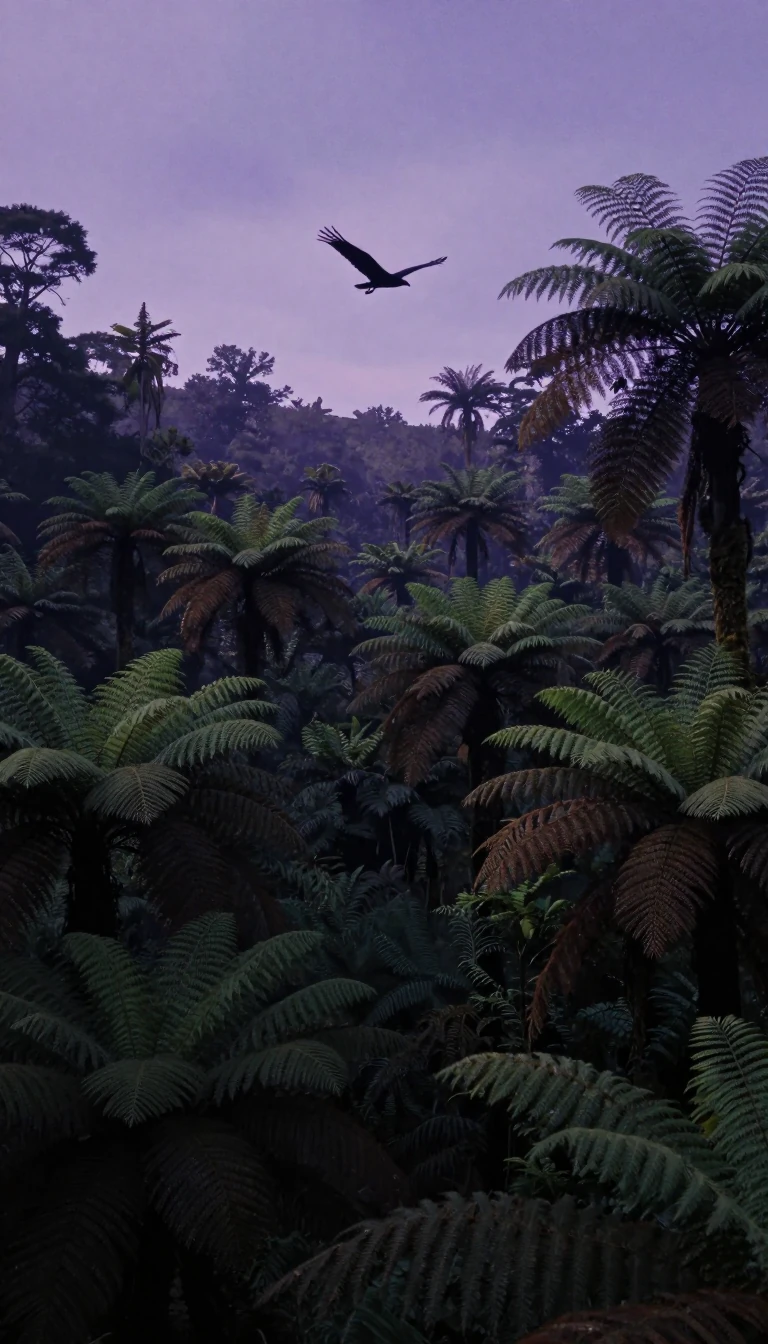
In short: Kelenken guillermoi was a flightless terror bird that dominated South America fifteen million years ago. Standing three meters tall and weighing over one hundred kilograms, this apex predator possessed the largest skull of any known bird, yet its slender leg bones suggest it was surprisingly agile and fast.
Discovered by high school student Guillermo Aguirre-Zabala in the Collón Curá Formation of Patagonia, Kelenken represents a significant leap in our understanding of phorusrhacids. Before this 2007 classification, paleontologists often reconstructed large terror birds by simply scaling up the anatomy of smaller, more complete relatives. Kelenken proved these models wrong. Its massive, triangular skull, which measures 716 millimeters in length, features unique anatomical traits, including a specialized bony ridge above the eye socket that locks into the skull's postorbital process—a configuration never before seen in other members of the group.
The bird’s predatory lifestyle remains a subject of intense study. While phorusrhacids were long considered apex predators that filled the niche left by placental mammals in Cenozoic South America, their exact hunting mechanics were debated. Biomechanical simulations on related species like Andalgalornis indicate that these birds possessed extremely rigid, stiff skulls. This lack of intracranial mobility suggests they were not built to wrestle large, struggling prey. Instead, they likely employed an attack-and-retreat strategy, using their powerful, hooked beaks for repetitive, targeted strikes, or simply swallowing smaller animals whole.
Kelenken’s physical adaptations, particularly its long, slender tarsometatarsus, challenge the assumption that larger terror birds were inherently slow and bulky. Paleontologists suggest that these leg proportions allowed Kelenken to reach speeds significantly higher than previously estimated for its size, potentially allowing it to chase down small mammals and reptiles across the open, sunlit environments of the middle Miocene. While it may not have matched the speed of a modern ostrich, its combination of size, agility, and a massive, hooked beak made it a formidable presence in a landscape where it co-existed with various carnivorous borhyaenid mammals.
Opens the Intellect+ feed with this card first. Swipe up for the next one.
Sources
- Summary by Intellect · source: Kelenken
To cite this card, link to https://intellectplus.co.uk/app/nature-kelenken.
How we source, check and correct cards: Editorial standards.
General information, not professional advice. Spotted an error? Flag the card or see corrections and complaints.
Intellect Plus is a visual educational discovery platform for exploring fascinating facts and ideas. Brain Food, Not Brain Rot. What is Intellect Plus?
Related
More in Vertebrates · More in Nature · Latest · A–Z · All topics
