Gravity is the engine behind these powerful, cold winds that scour the Earth's surface.
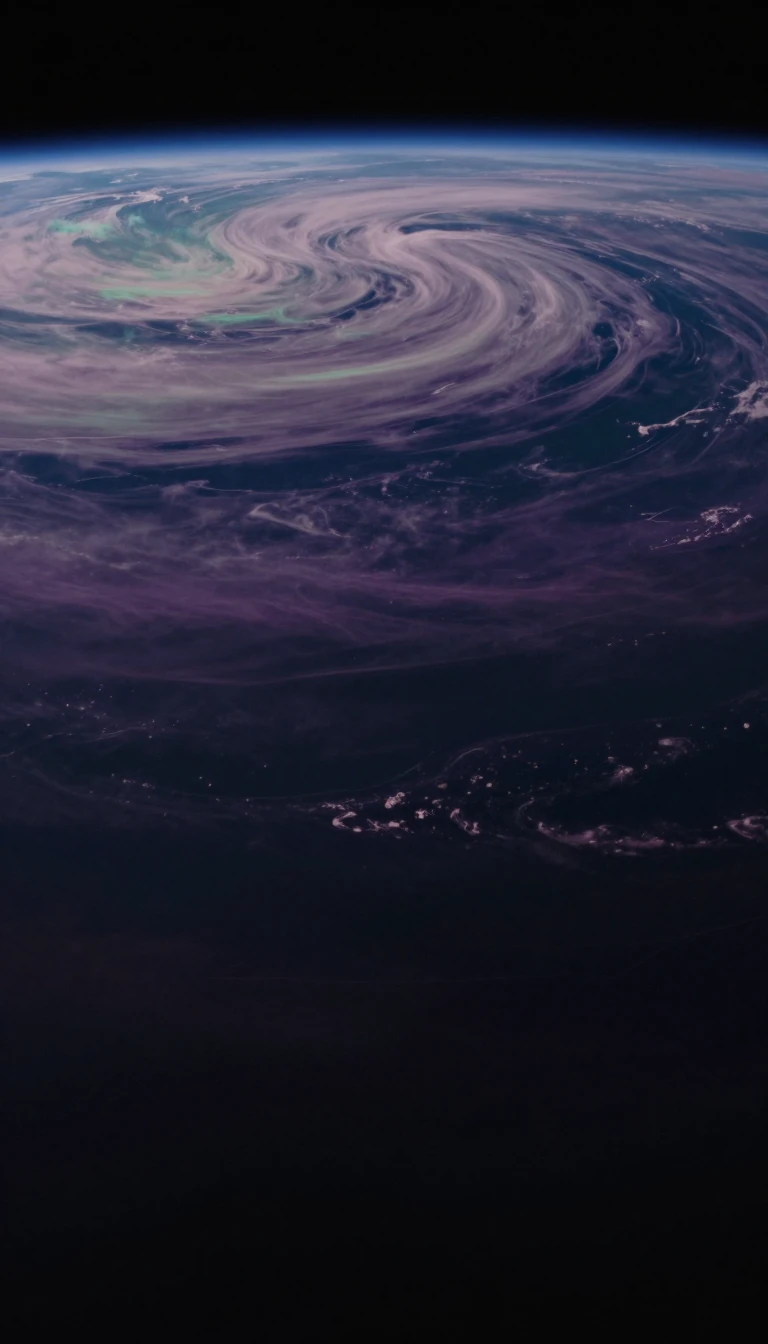
In short: Katabatic winds are not just mountain breezes; they are massive, gravity-driven flows of cold, dense air cascading down slopes. From the destructive piteraq of Greenland to the wildfire-fueling winds of California, these currents demonstrate how temperature differences can transform simple air movement into a force of nature.
The term katabatic originates from the Ancient Greek word katabasis, meaning descent. At its core, a katabatic wind is a downslope flow triggered by a density imbalance. Because air density is closely tied to temperature, these winds are typically cold. They are fundamentally different from rain shadow winds like the chinook or föhn, which warm up as they descend after losing moisture on a mountain's windward side.
Meteorologists generally categorize these winds into two types. The most common form arises from radiative cooling: after sunset, a slope loses heat, chilling the air in direct contact with the surface. This denser, colder air then slides down the slope under the influence of gravity. The second type, known as a fall wind, occurs when a pre-existing cold air mass—perhaps from a cold front or sea breeze—is pushed to the top of a slope and subsequently flows downward.
The intensity of these winds varies wildly. In the coastal valleys of Antarctica and Greenland, where ice sheets provide both elevation and massive gravitational potential, katabatic winds can exceed 180 mph. These extreme events can scour landscapes, creating dry valleys or blue ice regions, and pose significant hazards to maritime vessels. Conversely, in regions like California, these winds are notorious for accelerating the spread of wildfires, such as the 2018 Camp Fire and the 2020 North Complex, by driving dry, dense air into lower elevations.
It is important to distinguish these from other phenomena. While some definitions suggest that katabatic winds warming by compression during descent are called föhn, others maintain that föhn and chinook are distinct rain shadow winds. Regardless of the classification, the mechanism remains a testament to the power of gravity acting upon dense, cooled air masses across the globe.
Opens the Intellect+ feed with this card first. Swipe up for the next one.
Sources
- Summary by Intellect · source: Katabatic wind
- Also: www.britannica.com — Katabatic wind | Downslope, Cold Air, Foehn | Britannica
To cite this card, link to https://intellectplus.co.uk/app/nature-katabatic-wind.
How we source, check and correct cards: Editorial standards.
General information, not professional advice. Spotted an error? Flag the card or see corrections and complaints.
Intellect Plus is a visual educational discovery platform for exploring fascinating facts and ideas. Brain Food, Not Brain Rot. What is Intellect Plus?
Related
More in Air · More in Nature · Latest · A–Z · All topics
