Why the atmosphere is constantly churning through invisible, powerful vertical currents of air
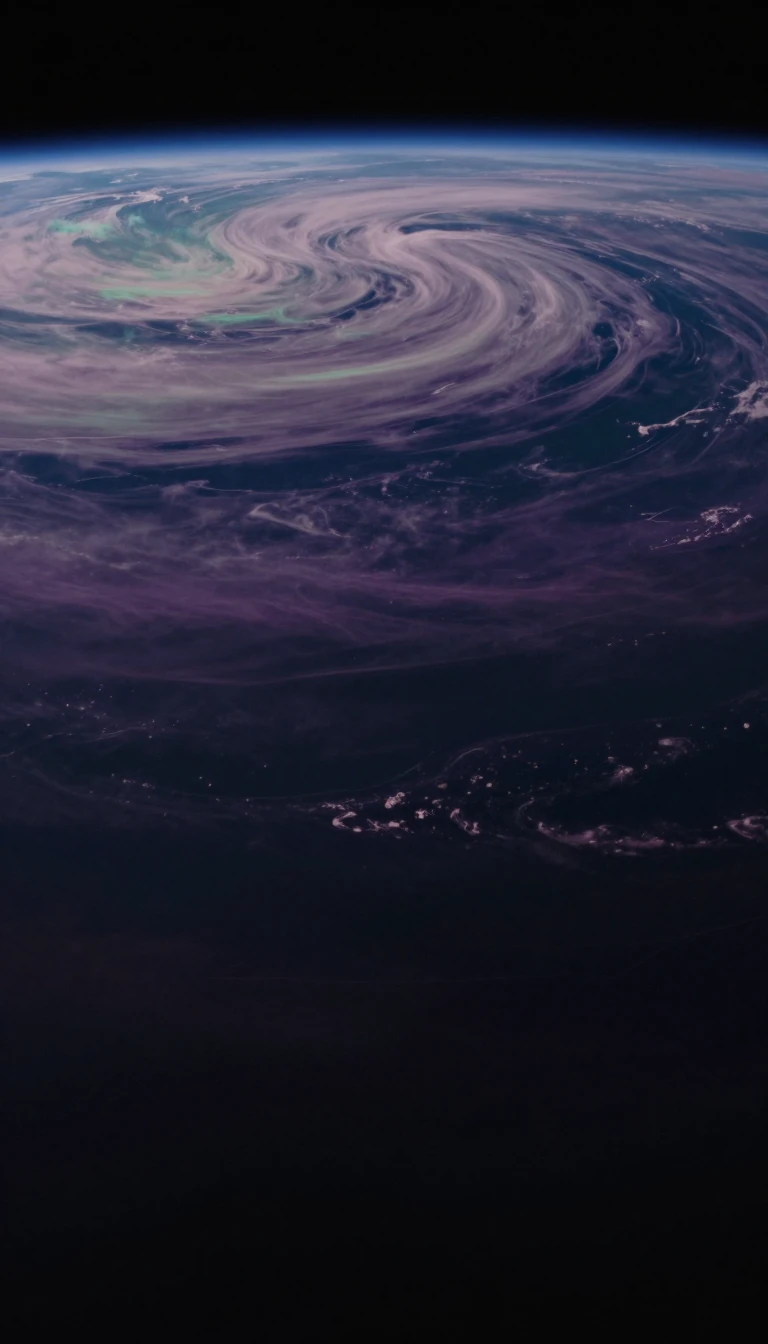
In short: Vertical drafts are the engine of our weather, driven by the simple physics of buoyancy. When warm air rises or cool air sinks, they create the updrafts and downdrafts that build towering clouds, fuel thunderstorms, and occasionally pose significant risks to aviation safety through sudden, intense wind shear.
At its core, vertical atmospheric motion is a response to instability. When surface air is heated by the sun, it becomes less dense than the cooler air above it. This buoyancy forces the warm air to rise in a current known as an updraft. As this air ascends, it cools, and if it contains enough moisture, the water vapor condenses into clouds. This condensation releases latent heat, which further warms the air and accelerates its upward climb, potentially building massive cumulonimbus clouds that can reach the tropopause.
The process is a cycle of convection. While updrafts transport heat and moisture into the upper troposphere, columns of cooled, denser air sink back toward the surface as downdrafts. These sinking currents strike the ground with force, creating gusty winds and sometimes intense localized damage. When these vertical cells organize and merge, they form the structure of a thunderstorm. The intensity of these drafts is why thunderstorms are most frequent in temperate and tropical regions where surface heating is most effective, rather than over oceans or in polar regions.
Beyond shaping weather, these vertical movements have profound practical implications. In aviation, sudden shifts in vertical air currents—particularly extreme downdrafts known as microbursts—can be hazardous during takeoff or landing. Because these drafts are localized and can be difficult to predict, they have historically contributed to major aviation accidents. This danger led to the development of specialized radar technologies, such as Terminal Doppler Weather Radar, designed to detect wind shear near major airports and improve safety in volatile weather conditions.
Opens the Intellect+ feed with this card first. Swipe up for the next one.
Sources
- Summary by Intellect · source: Updraft and downdraft | Air Movement, Atmospheric Pressure & Wind | Britannica
- Also: Vertical draft
To cite this card, link to https://intellectplus.co.uk/app/nature-vertical-draft.
How we source, check and correct cards: Editorial standards.
General information, not professional advice. Spotted an error? Flag the card or see corrections and complaints.
Intellect Plus is a visual educational discovery platform for exploring fascinating facts and ideas. Brain Food, Not Brain Rot. What is Intellect Plus?
Related
More in Air · More in Nature · Latest · A–Z · All topics
