Why warmer Great Lakes are creating more intense, localized winter snowstorms
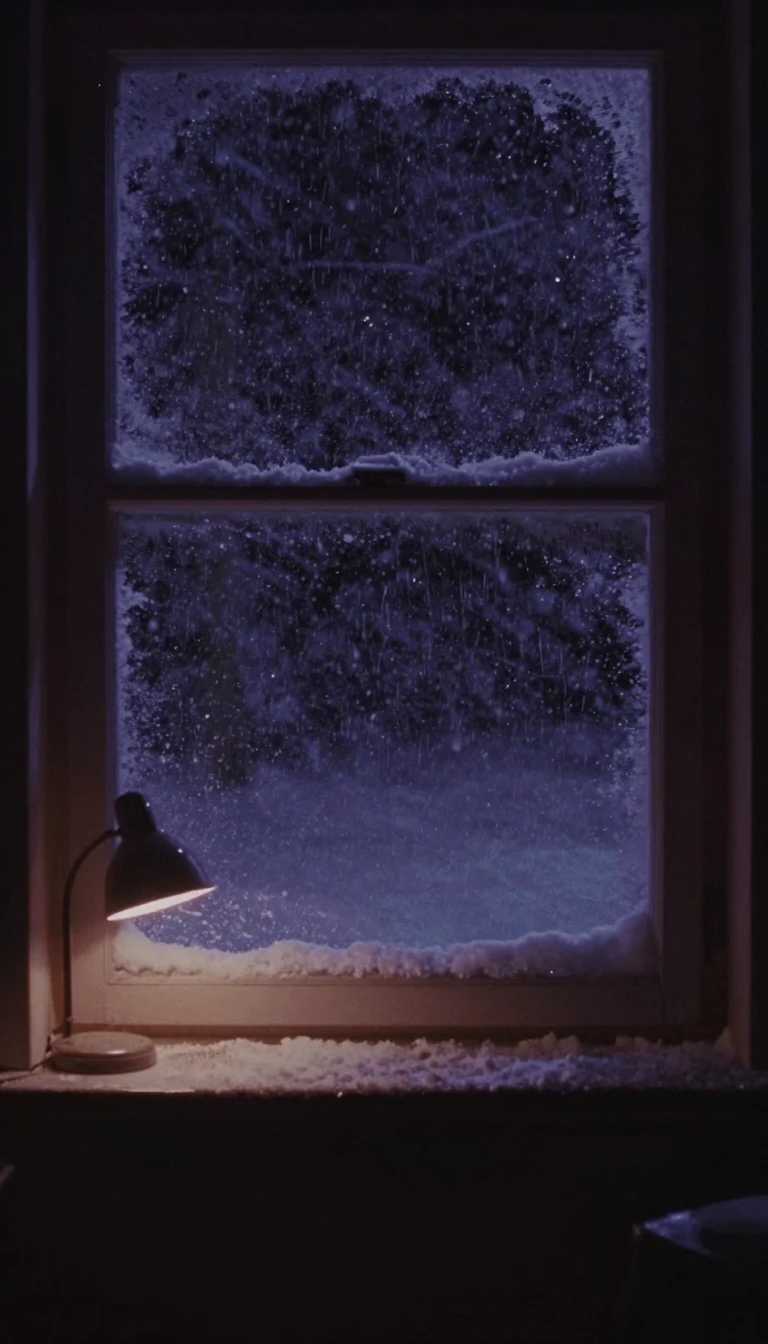
In short: Lake-effect snow acts like a giant atmospheric sponge, soaking up moisture from warm water and wringing it out as intense, narrow bands of precipitation. While climate change is shifting these patterns, the short-term result is often heavier snowfall, turning cities into frozen landscapes with rates exceeding three inches per hour.
Lake-effect snow is a thermodynamic engine driven by the temperature contrast between cold, dry air and relatively warm, unfrozen water. When frigid air passes over a large lake, the water surface heats the lower atmosphere, causing it to become less dense and rise. As this moisture-laden air ascends, it cools, condenses, and forms tall, narrow cloud bands that dump heavy snow on the leeward shores. The intensity of these storms depends on 'fetch'—the distance the air travels over the water—and the temperature difference between the lake and the air aloft. A greater gap in temperature allows the atmosphere to absorb more moisture, fueling more vigorous precipitation.
In the Great Lakes region, this phenomenon is a staple of winter, though it occasionally appears near alpine lakes or the Sea of Japan. While the process is well-understood, climate change is complicating the forecast. Historically, researchers like Adam Burnett predicted that warmer waters would lead to more frequent storms. However, the reality is nuanced: while warmer lakes provide more fuel, global warming is also making the necessary cold air masses less frequent. In the short term, reduced lake ice and higher evaporation rates may actually increase snowfall, but as winter temperatures continue to climb, these events are increasingly likely to transition from snow to rain.
The implications extend beyond mere snowfall totals. Historically, winter snowpacks have acted as natural reservoirs, melting gradually in spring to replenish soil moisture and feed local rivers. As lake-effect cycles become more erratic—alternating between freezing and thawing—this vital hydrologic process is disrupted. Experts are concerned that the loss of consistent winter snow will alter soil moisture conditions, potentially harming aquatic ecosystems. Ultimately, while some may welcome less snow, the shift represents a significant change in the seasonal water cycle that sustains the region's environment, proving that the impact of a warming planet is far more complex than a simple reduction in winter storms.
Opens the Intellect+ feed with this card first. Swipe up for the next one.
Sources
- Summary by Intellect · source: What is lake-effect snow? Here’s how climate change is altering it
- Also: Lake Effect Snow | NASA Earthdata
- Also: What Is Lake Effect Snow?
- Also: Lake-effect snow
To cite this card, link to https://intellectplus.co.uk/app/nature-lake-effect-snow.
How we source, check and correct cards: Editorial standards.
General information, not professional advice. Spotted an error? Flag the card or see corrections and complaints.
Intellect Plus is a visual educational discovery platform for exploring fascinating facts and ideas. Brain Food, Not Brain Rot. What is Intellect Plus?
Related
More in Physical geography · More in Nature · Latest · A–Z · All topics
