Megatsunamis are not just bigger tsunamis; they are a completely different physical phenomenon.
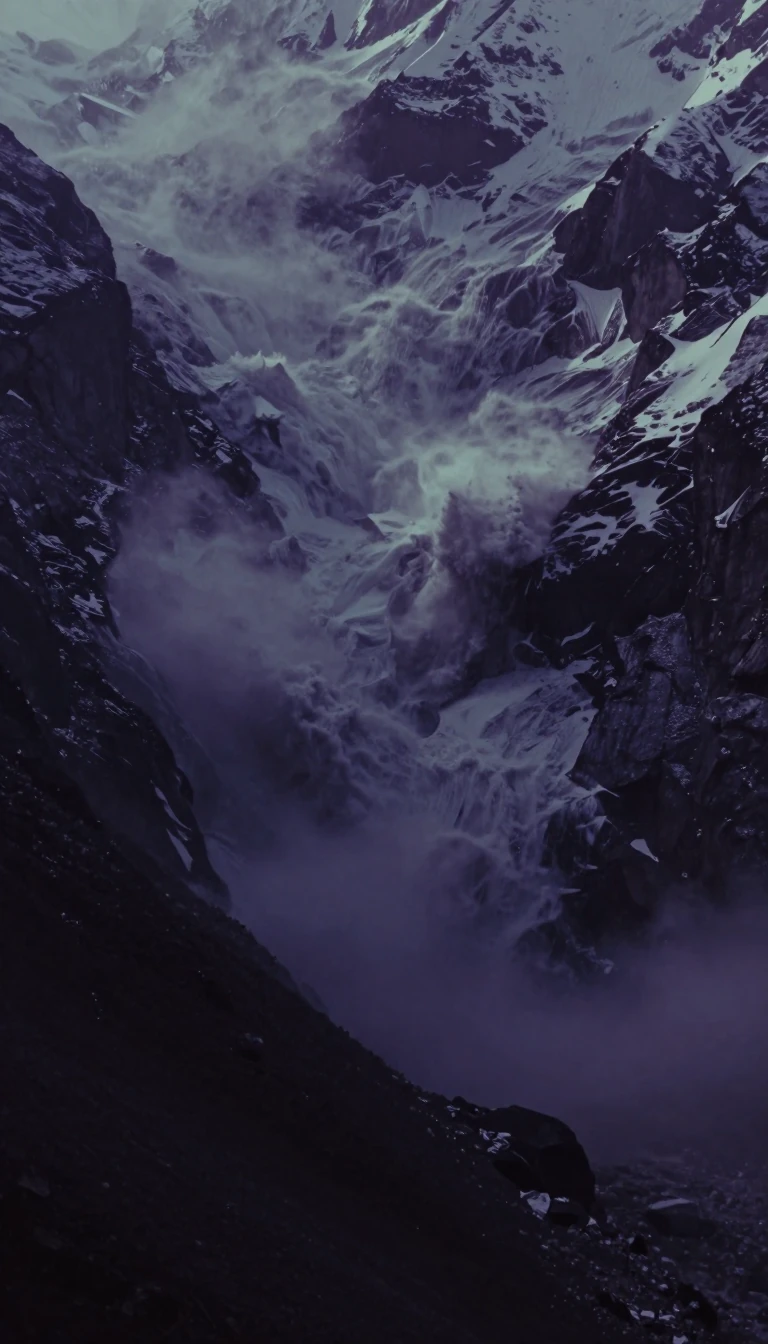
In short: While ordinary tsunamis are born from tectonic plates shifting on the ocean floor, megatsunamis are violent splashes caused by massive, sudden displacements of material. These events can send waves hundreds of metres high, dwarfing the 30-metre limit typically associated with even the most powerful earthquake-driven tsunamis in the open ocean.
A megatsunami occurs when a colossal volume of rock, ice, or debris suddenly crashes into a body of water. Unlike standard tsunamis, which propagate across vast distances with relatively subtle swells, megatsunamis are often localized and dissipate energy rapidly. The mechanism is akin to a stone dropped into a pond, though on a geological scale. For instance, the 1958 Lituya Bay event in Alaska was triggered by a massive rockfall that created a wave surging 524 metres up the opposite shore.
The physics of these waves is complex, depending on factors like the landslide's volume, velocity, and the depth of the water. In confined spaces like fjords or lakes, the water cannot disperse, leading to extreme run-up heights. Mathematical modeling, such as the PC model developed for the Lituya Bay event, confirms that these impacts can trigger secondary slides, compounding the displacement. Researchers have identified prehistoric evidence of such events, including asteroid impacts that may have generated waves kilometres high.
Distinguishing these events from ordinary tsunamis is vital for understanding coastal hazards. While tectonic tsunamis are driven by crustal movement, megatsunamis are frequently the result of subaerial or submarine landslides. Because they often originate in shallow or restricted waters, they lack the long-distance reach of earthquake-generated waves but possess devastating local power. Scientific debate continues regarding precise definitions, yet events with run-up heights exceeding 100 metres are generally categorized as megatsunamis.
The geological record provides chilling insights into the frequency of these disasters. From the Storegga Slide 8,200 years ago to the collapse of the East Molokai Volcano 1.5 million years ago, the Earth has been reshaped by these sudden, violent water displacements. By studying deposits like those found on Lanai, scientists are piecing together a history of waves that have fundamentally altered shorelines and, in some cases, likely forced the abandonment of ancient human settlements.
Opens the Intellect+ feed with this card first. Swipe up for the next one.
Sources
- Summary by Intellect · source: Megatsunami
To cite this card, link to https://intellectplus.co.uk/app/nature-megatsunami.
How we source, check and correct cards: Editorial standards.
General information, not professional advice. Spotted an error? Flag the card or see corrections and complaints.
Intellect Plus is a visual educational discovery platform for exploring fascinating facts and ideas. Brain Food, Not Brain Rot. What is Intellect Plus?
Related
More in Water · More in Nature · Latest · A–Z · All topics
