Lonar Lake is the only impact crater on Earth formed entirely in volcanic basalt.
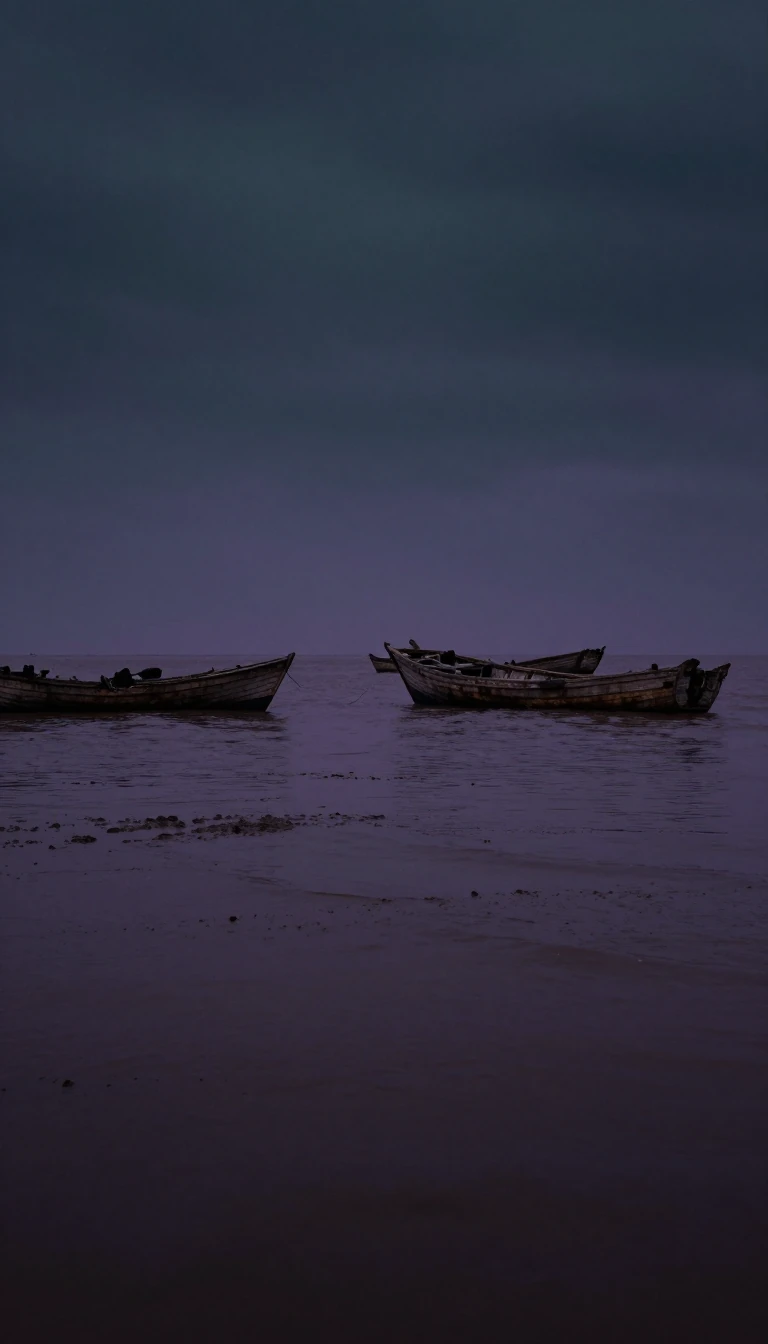
In short: Hidden in the Deccan Plateau of India lies a circular, saline anomaly. Once mistaken for a volcanic caldera, this 1.8-kilometer-wide crater was actually carved by a two-million-tonne meteorite. Today, it serves as a unique geological laboratory, hosting rare minerals and a thriving, salt-loving ecosystem that occasionally turns the water pink.
Lonar Lake, located in the Buldhana district of Maharashtra, occupies a crater that challenges traditional geological assumptions. While the surrounding Deccan Plateau is composed of basalt dating back approximately 66 million years, the crater itself is a much younger, violent scar. Geological evidence, including the discovery of shatter cones and maskelynite in drill cores, confirms that the depression was created by a hypervelocity meteorite impact rather than volcanic activity. This site remains the only terrestrial impact crater in the world formed entirely within basalt, offering a rare glimpse into how such structures interact with igneous landscapes.
The dating of the crater remains a subject of scientific debate. Early thermoluminescence analyses suggested an age of 52,000 years, while later argon-argon dating pushed that estimate to 570,000 years. However, researchers caution that the latter method may be skewed by inherited argon in the samples, leading to a potential overestimation. Beyond its age, the lake is a chemical curiosity. As an endorheic basin with no outflow, it has become highly saline and alkaline, with pH levels often between 9 and 10.5. This extreme environment supports a specialized community of microorganisms, including unique bacteria and fungi, while cyanobacteria blooms frequently dye the water green.
The site is also a significant ecological and cultural hub. The surrounding area supports diverse wildlife, including 160 bird species and 12 types of mammals, sustained by freshwater springs. Historically, the region has been home to Hindu temples dating back to the Chalukya and Hemadpanti periods. Despite its status as a National Geological Monument and a protected Ramsar site, the lake faces modern threats from agricultural runoff, illegal logging, and construction. Protecting this unique crater is vital, as it continues to provide researchers with insights into impact mechanics and even mineralogical similarities to lunar rocks.
Opens the Intellect+ feed with this card first. Swipe up for the next one.
Sources
- Summary by Intellect · source: Lonar Lake
To cite this card, link to https://intellectplus.co.uk/app/nature-lonar-lake.
How we source, check and correct cards: Editorial standards.
General information, not professional advice. Spotted an error? Flag the card or see corrections and complaints.
Intellect Plus is a visual educational discovery platform for exploring fascinating facts and ideas. Brain Food, Not Brain Rot. What is Intellect Plus?
Related
More in Physical geography · More in Nature · Latest · A–Z · All topics
