The pelagic zone is Earth's largest habitat, spanning the entire open ocean water column.
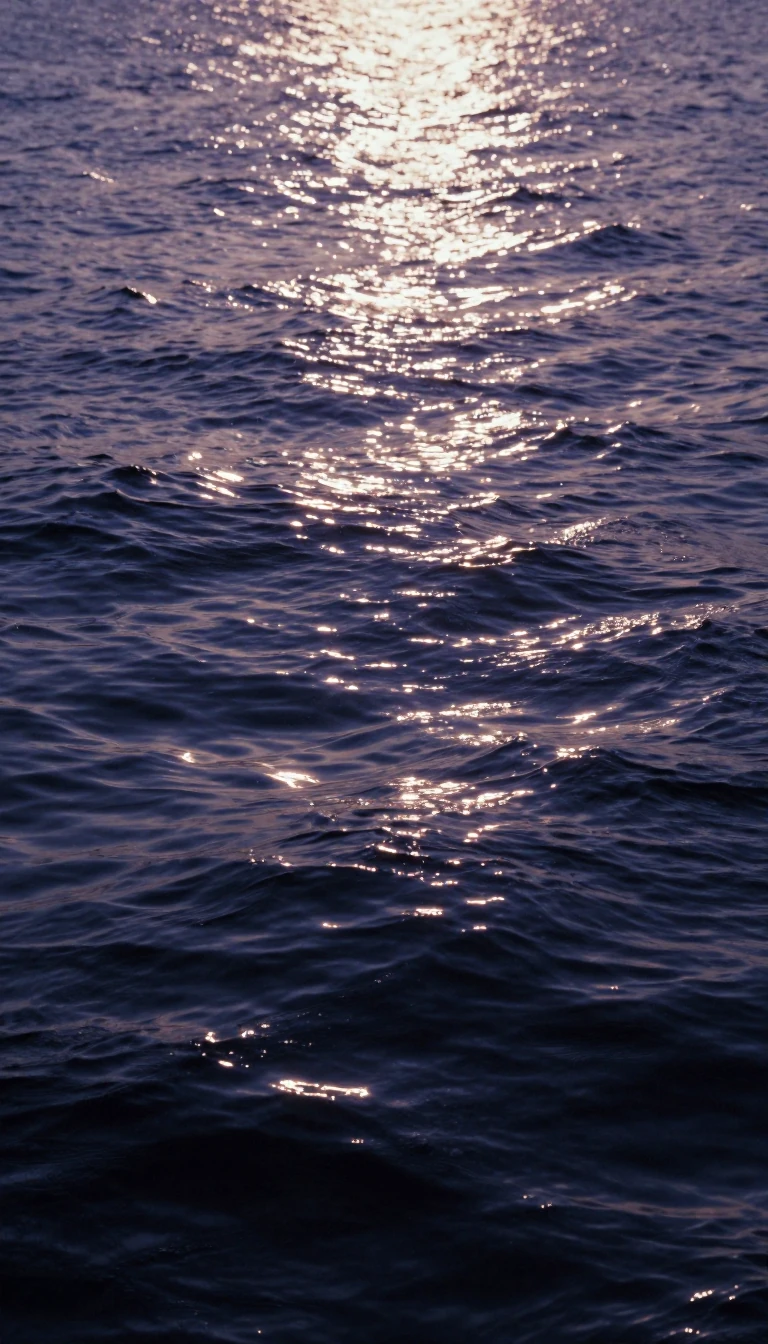
In short: Imagine a vast, three-dimensional cylinder of water stretching from the sunlit surface to the crushing depths of the abyss. This is the pelagic zone, an ecological realm that holds the vast majority of our planet's water and supports life in ways that defy the boundaries we draw on maps.
The pelagic zone is defined as the entire ocean water column, representing the largest volume of any inhabited environment on Earth. It encompasses approximately 1.37 billion cubic kilometers of water, reaching a maximum vertical range of 11,000 meters. While we often divide the world into five distinct oceans—the Pacific, Atlantic, Indian, Southern, and Arctic—these are largely human constructs. In reality, the ocean is a continuous body of salt water where biological populations and physical properties ignore our arbitrary geographic borders.
Conditions within this massive column change drastically with depth. As one descends, light fades, temperatures drop, and pressure mounts. This vertical stratification creates distinct ecological layers, each with its own unique inhabitants. Near the surface, solar radiation drives photosynthesis, supporting the vast majority of marine life. In contrast, the deepest reaches, such as the hadopelagic trenches, exist in near-total darkness and extreme pressure, where life must adapt to a scarcity of food and the absence of sunlight.
The distribution of this water is not uniform across the globe. The Southern Hemisphere is often termed the 'water hemisphere' due to its vast oceanic expanse, which significantly influences global climate patterns. Because the ocean has a high capacity for heat, it acts as a thermal buffer, moderating seasonal temperature changes. This contrasts sharply with the Northern Hemisphere, where the presence of large landmasses causes more rapid fluctuations in surface temperature. Understanding the pelagic zone is therefore essential to understanding Earth's climate, as the ocean continuously cycles water and heat through the hydrologic system.
Opens the Intellect+ feed with this card first. Swipe up for the next one.
Sources
- Summary by Intellect · source: Pelagic zone | Definition, Location, Depth, Animals, & Facts | Britannica
- Also: Pelagic zone
To cite this card, link to https://intellectplus.co.uk/app/nature-pelagic-zone.
How we source, check and correct cards: Editorial standards.
General information, not professional advice. Spotted an error? Flag the card or see corrections and complaints.
Intellect Plus is a visual educational discovery platform for exploring fascinating facts and ideas. Brain Food, Not Brain Rot. What is Intellect Plus?
Related
More in Water · More in Nature · Latest · A–Z · All topics
