The ancient, reddish honey that can turn a peaceful meal into a battlefield.
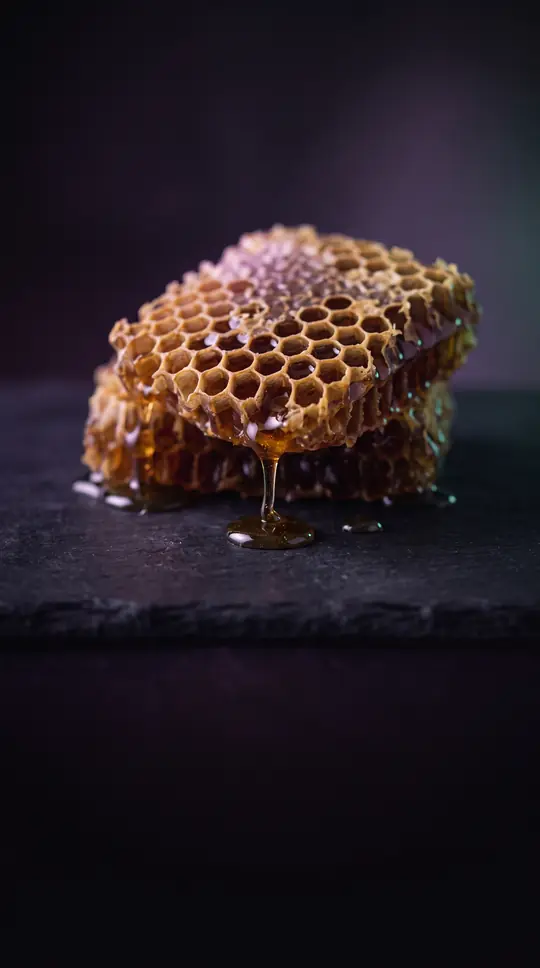
In short: Known as mad honey, this rare substance contains grayanotoxins that disrupt human heart rates and blood pressure. Used for centuries as both a potent medicine and a recreational drug, it has also served as a lethal biological weapon, famously incapacitating entire armies in the ancient world with its hallucinogenic, paralyzing effects.
Mad honey, or deli bal, is a dark, reddish substance derived from the nectar of Rhododendron species. While bees remain unaffected by the grayanotoxins present in the nectar, human consumption can lead to severe intoxication. The toxin works by binding to sodium ion channels in the central nervous system, preventing them from closing. This physiological interference results in bradycardia, hypotension, and symptoms ranging from vertigo and blurred vision to muscle paralysis and loss of consciousness.
Historical records suggest this honey has been used as a weapon for over two millennia. In 401 BCE, Xenophon documented Greek soldiers suffering from vomiting, diarrhea, and total disorientation after consuming local honey near the Black Sea. Later, in 65 BCE, King Mithridates reportedly used it to decimate Roman forces under General Pompey. Similar accounts of mass incapacitation appear in 946 and 1489, where thousands of soldiers were allegedly slaughtered while in a stupor induced by the honey. By the 18th century, it was exported to Europe to spike alcoholic beverages, though its potency remains highly variable depending on the season and elevation.
Today, the practice of harvesting this honey persists in the Himalayas, where the Gurung people scale cliffs to reach the nests of Apis laboriosa. However, these populations face severe threats from overharvesting and environmental degradation, with some regions reporting an annual 70% decline in bee colonies. While a 2015 systematic review of over 1,000 cases found no reported deaths, the European Food Safety Authority has recently highlighted concerns regarding potential genotoxicity. Despite its risks, it remains a staple in traditional medicine for treating conditions like hypertension and arthritis, and continues to be used recreationally in parts of Turkey and Nepal.
Opens the Intellect+ feed with this card first. Swipe up for the next one.
Sources
- Summary by Intellect · source: Mad honey
To cite this card, link to https://intellectplus.co.uk/app/nature-mad-honey.
How we source, check and correct cards: Editorial standards.
General information, not professional advice. Spotted an error? Flag the card or see corrections and complaints.
Intellect Plus is a visual educational discovery platform for exploring fascinating facts and ideas. Brain Food, Not Brain Rot. What is Intellect Plus?
Related
More in Organisms · More in Nature · Latest · A–Z · All topics
