Your immune system relies on a complex genetic library to distinguish self from invader.
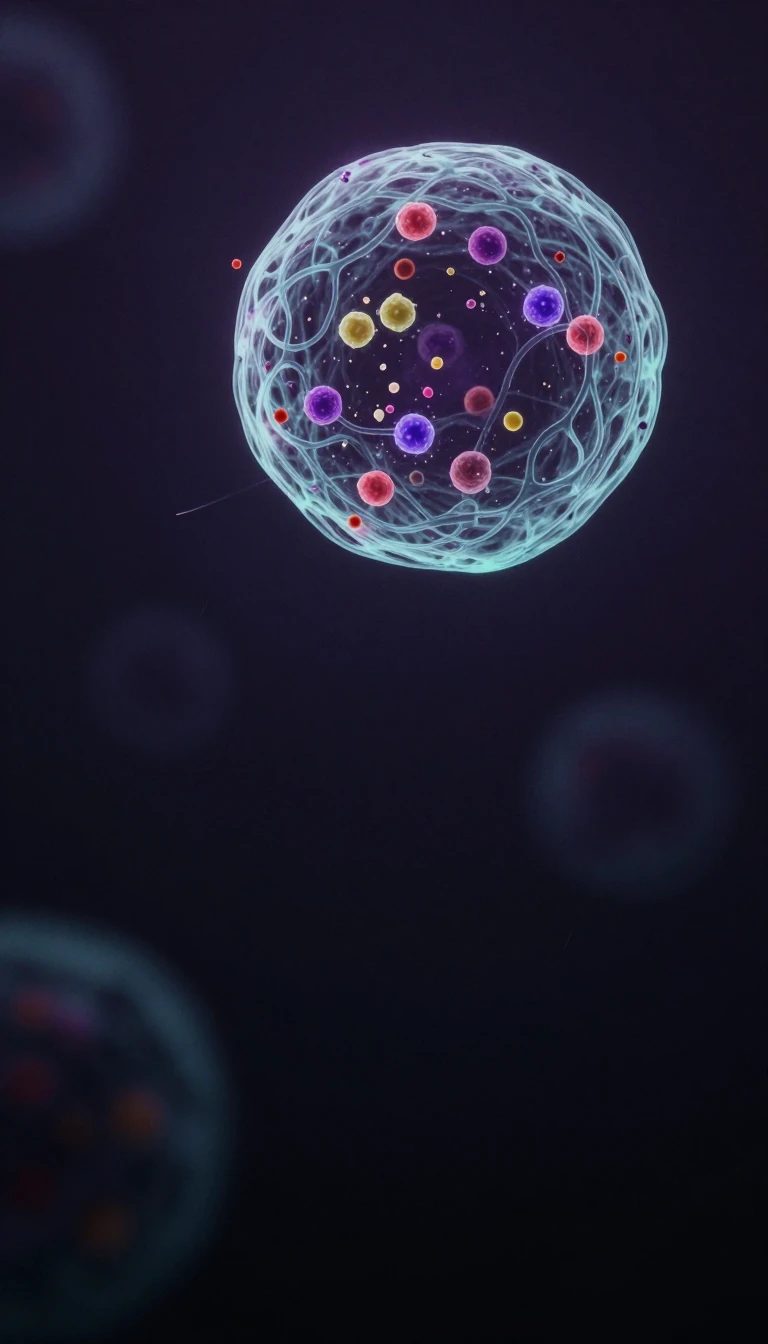
In short: The Major Histocompatibility Complex is a massive, highly variable region of your DNA that acts as the immune system's primary surveillance tool. By displaying tiny protein fragments on cell surfaces, it allows your body to identify its own cells while flagging pathogens for destruction by specialized T cells.
The MHC is a dense cluster of genes found in all jawed vertebrates, originating roughly 450 million years ago. In humans, this region resides on chromosome 6 and contains 224 genes. These genes produce molecules that bind to epitopes—small molecular fractions of proteins—and present them to T cells. This process is essential for adaptive immunity, as it allows the immune system to distinguish between the host's own phenotype and foreign invaders like viruses or bacteria.
MHC molecules are categorized into three classes. Class I molecules are found on almost all nucleated cells and present peptides to killer T cells, triggering apoptosis in infected cells. Class II molecules are typically restricted to professional antigen-presenting cells, such as dendritic cells, which prime helper T cells to coordinate immune responses. Class III molecules, meanwhile, encode various secreted proteins like cytokines and complement components that support broader immunological functions.
What makes the MHC truly remarkable is its extreme polymorphism. In humans, thousands of alleles exist for specific HLA genes, a diversity likely driven by balancing selection to keep pace with evolving pathogens. This genetic variation is so significant that it influences everything from organ transplant compatibility to potential mate selection, as some studies suggest humans may use olfaction to detect MHC-dissimilar partners. When this system fails, it can lead to autoimmune diseases, such as ankylosing spondylitis, where the body mistakenly attacks its own tissues.
Beyond simple immunity, the MHC serves as a marker of population health. Large, stable populations typically maintain high MHC diversity, while isolated or bottlenecked species—such as the cheetah or the Tasmanian devil—often show reduced variation. This lack of diversity can leave populations vulnerable to disease, as seen in the Tasmanian devil's struggle with transmissible tumors. Understanding the MHC is therefore not just about cellular mechanics; it is a window into the evolutionary history and survival strategies of vertebrates.
Opens the Intellect+ feed with this card first. Swipe up for the next one.
Sources
- Summary by Intellect · source: Major histocompatibility complex
To cite this card, link to https://intellectplus.co.uk/app/nature-major-histocompatibility-complex.
How we source, check and correct cards: Editorial standards.
General information, not professional advice. Spotted an error? Flag the card or see corrections and complaints.
Intellect Plus is a visual educational discovery platform for exploring fascinating facts and ideas. Brain Food, Not Brain Rot. What is Intellect Plus?
Related
More in Organisms · More in Nature · Latest · A–Z · All topics
