The Major Oak, a famous Sherwood Forest tree, has been confirmed dead after years of strain
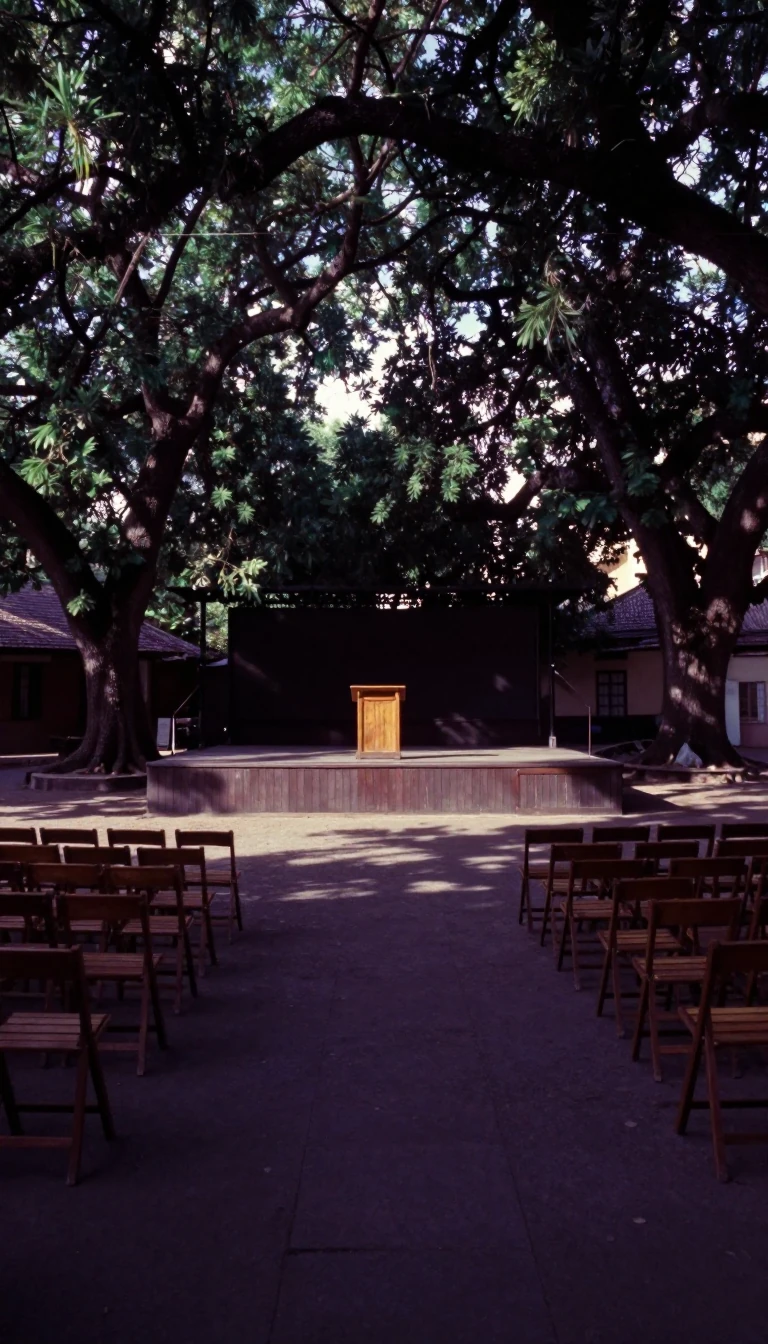
In short: Standing in Sherwood Forest, the Major Oak was estimated at 800 to 1,200 years old and long tied to Robin Hood legends. In June 2026 its managers confirmed it had died. Its decline shows how heat, soil damage, mining effects and well-meant support structures can work against an ancient living tree.
The Major Oak is a large English oak near Edwinstowe, in Sherwood Forest in Nottinghamshire. In 1999 it was estimated to weigh 23 long tons, with a girth of 33 feet and a canopy spreading 92 feet at its peak. Its age was put at between 800 and 1,200 years. Local folklore says Robin Hood and his Merry Men sheltered beneath it, but that is a legend rather than a documented fact. The tree was first known as the Cockpen Tree, after cockfighting once held beneath it, and took its present name from Major Hayman Rooke, a soldier and antiquarian who described it in 1790.
The decline had several causes, and the forest's managers pointed to more than one. From 2022 onward, summer heat waves led to progressively fewer leaves each year, and in June 2026 a run of hot, dry summers left the tree with no leaves at all. Soil compaction from two centuries of foot and vehicle traffic played a part, as did changes to the water table linked to nearby coal mining. The managers also criticised their own support measures: scaffolding propping up the heavy branches appears to have pulled water toward them and away from the trunk, instead of letting the tree shed limbs and grow new growth downward as a tree of its age might.
Protecting the oak also meant managing its visitors. Fences went up in 1974 to shield the roots from trampling, and support chains were first fitted in 1908, with larger scaffolding following in the 1970s. The tree sits inside a Site of Special Scientific Interest, and it will stay standing rather than being felled. Around 350,000 people still visit each year, so how to admire a fragile ancient tree without harming it remains a practical question.
The Major Oak also left a living legacy. Acorns were grown into saplings, including one now standing on a campus in New York State and a group of 260 saplings planted in Dorset in 2003 for study. Whether the original was a single trunk or several fused trees is still unclear, which may explain its unusual shape. Its death is a reminder that even famous trees have limits, and that conservation choices carry consequences.
Opens the Intellect+ feed with this card first. Swipe up for the next one.
Sources
- Summary by Intellect · source: Major Oak
- Also: Wikidata — Major Oak · CC0
- Also: Wikidata — Major Oak · CC0
To cite this card, link to https://intellectplus.co.uk/app/nature-major-oak.
How we source, check and correct cards: Editorial standards.
General information, not professional advice. Spotted an error? Flag the card or see corrections and complaints.
Intellect Plus is a visual educational discovery platform for exploring fascinating facts and ideas. Brain Food, Not Brain Rot. What is Intellect Plus?
Related
More in Trees · More in Nature · Latest · A–Z · All topics
