A single American sycamore can grow hollow enough to house a black bear
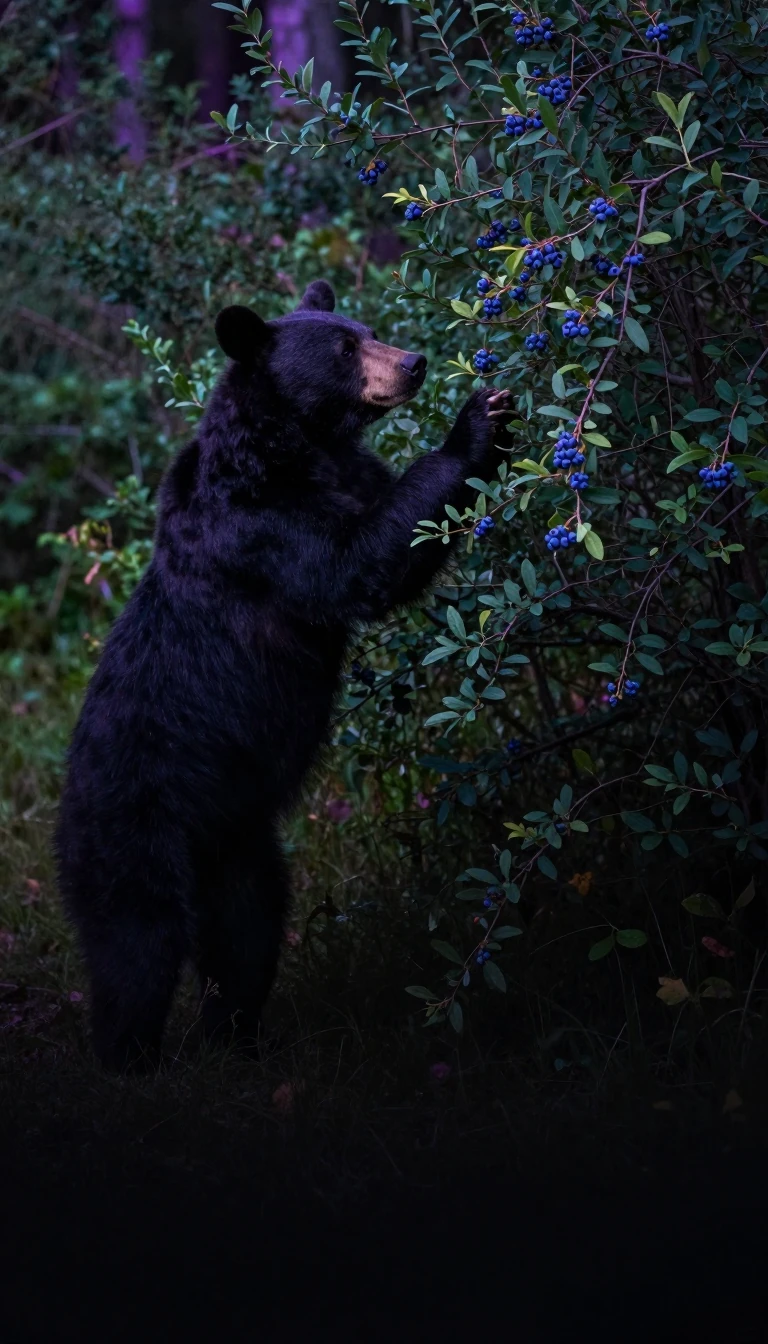
In short: The American sycamore is one of North America's giants, reaching 30 to 40 metres in deep soil. Its heartwood rots quickly, leaving hollow cavities that become homes for bats, owls and wood ducks. The largest hollows are big enough for black bear dens, making this tree a key structure of the wet forests it dominates.
The American sycamore, Platanus occidentalis, grows across the eastern and central parts of the United States, with pockets in northeastern Mexico and the far south of Ontario and Quebec. In North America it is simply called sycamore, a name that means something different in Britain, where it usually refers to the sycamore maple. The species is long-lived, typically surviving at least 200 years and possibly 500 to 600 years, and it can become a massive tree with a broad trunk and a height of 24 metres or more.
Its size is striking. In deep soils it typically reaches 30 to 40 metres high and 1.5 to 2 metres in diameter, and the largest measured specimens reached 53 metres and nearly 4 metres across. Historical records describe even bigger trees. In 1744 a settler and two sons lived for much of the year inside a hollow sycamore in the Shenandoah Valley, and George Washington noted a tree with a circumference of about 13.67 metres at Point Pleasant in 1770. The bark is distinctive too: it is rigid and inelastic, so as the trunk swells it breaks away in large, brittle, mottled pieces.
The tree is a fast-growing, early to mid successional hardwood. It thrives on riverbanks, streams and areas with abundant groundwater, and while it tolerates both drought and flooding, it dies if flooded for more than about two weeks. Its life cycle is that of a weedy species: it reproduces young and produces many wind-dispersed seeds. In wet sites it can persist as a long-lived subclimax or climax species, partly because of its rapid growth and very long lifespan.
Its ecological importance comes from its heartwood, which decays quickly and leaves large hollow cavities. Many animals use these as nests, from bats and cavity-nesting birds such as wood ducks, barred owls and screech owls to, in the largest trees, black bears. The tree also hosts specialist insects, including the sycamore tussock moth, which feeds only on it. Its wood, though coarse and hard to work, has long been used for butcher's blocks, crates and furniture.
Opens the Intellect+ feed with this card first. Swipe up for the next one.
Sources
- Summary by Intellect · source: Platanus occidentalis
- Also: www.rhs.org.uk — Platanus occidentalis | American plane
To cite this card, link to https://intellectplus.co.uk/app/nature-platanus-occidentalis.
How we source, check and correct cards: Editorial standards.
General information, not professional advice. Spotted an error? Flag the card or see corrections and complaints.
Intellect Plus is a visual educational discovery platform for exploring fascinating facts and ideas. Brain Food, Not Brain Rot. What is Intellect Plus?
Related
More in Trees · More in Nature · Latest · A–Z · All topics
