The tiny, shrew-like ancestors of mammals were already evolving the traits we define today.
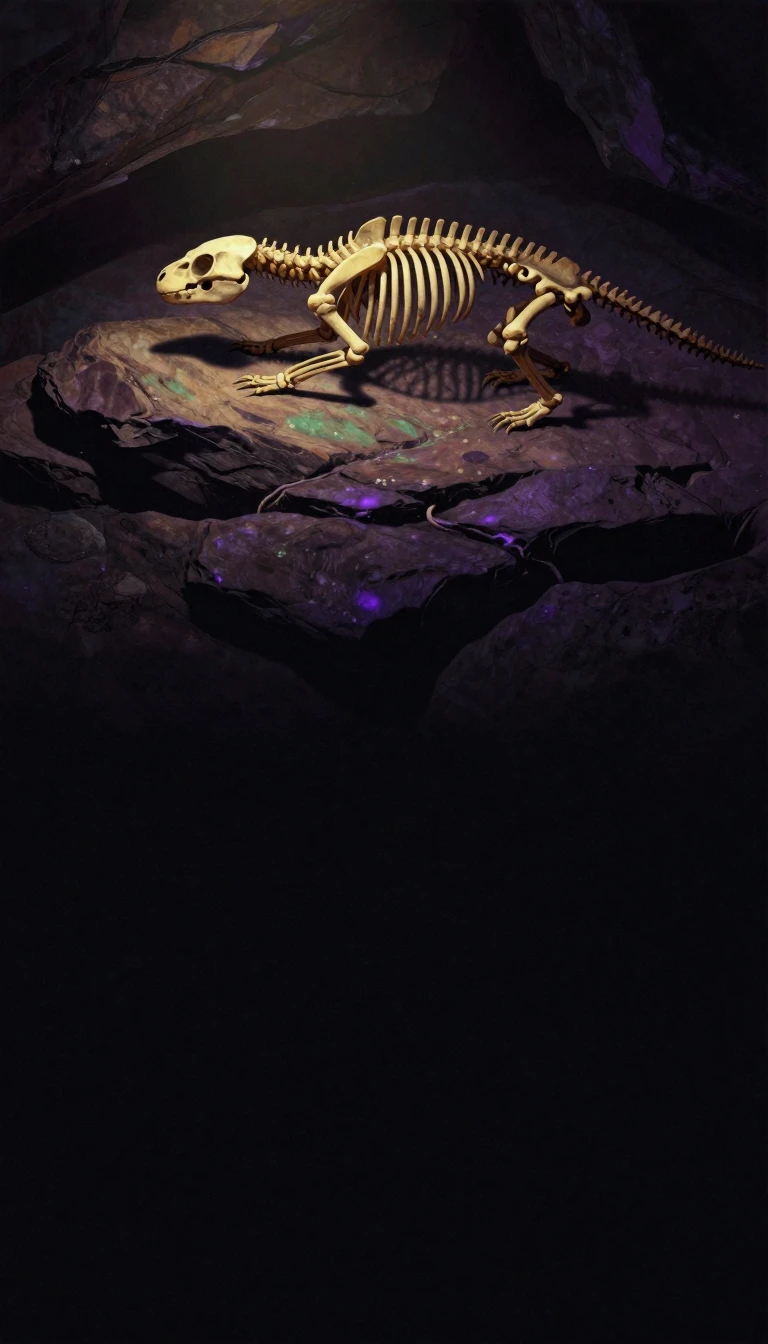
In short: Long before the rise of modern mammals, the Mammaliaformes clade emerged during the Late Triassic. These creatures were generally small and shrew-like, yet they pioneered essential biological innovations—from fur and lactation to specialized teeth—that allowed their descendants to thrive as endothermic animals in a world dominated by reptiles.
Mammaliaformes represents a specific phylogenetic group that includes crown-group mammals and their closest extinct relatives, such as Morganucodonta, Docodonta, and the tiny Hadrocodium. While traditional taxonomy often classifies organisms based on physical traits, phylogenetic nomenclature defines this clade by its evolutionary lineage, tracing back to the most recent common ancestor of Morganucodonta and crown-group mammals. This distinction is significant because some genera, like Adelobasileus and Sinoconodon, are sometimes grouped into the broader Mammaliamorpha but fall outside the strict Mammaliaformes definition.
The survival of these early mammaliaforms relied on a suite of internal adaptations. Because endothermic animals require higher caloric intake than ectotherms, they evolved a precise, two-set dental system—baby teeth followed by a single set of adult teeth—to grind food efficiently. To protect these non-replaceable teeth, they developed prismatic enamel. Furthermore, evidence suggests that lactation was an ancestral trait, likely providing moisture to leathery eggs before hatching, much like modern monotremes. Even the sensory world of these animals was sophisticated; they likely possessed vibrissae, or whiskers, which may have been a critical sensory development in early mammalian evolution.
Physical traits also reveal a transition toward modern anatomy. While early forms retained a somewhat sprawling, reptilian gait, there was a clear evolutionary trend toward more erect forelimbs. Many also possessed epipubic bones, which supported abdominal musculature but constrained the abdomen, forcing these animals to produce either minuscule eggs or larval young, similar to modern marsupials. Some species even featured venomous spurs on their hind feet, likely used for defense or mating. These animals were also among the first to develop fur, a necessity for maintaining body heat in species smaller than 5 cm, such as the 3.2 cm Hadrocodium, while larger forms like the 10 cm Morganucodon might have relied on other thermoregulatory strategies.
Opens the Intellect+ feed with this card first. Swipe up for the next one.
Sources
- Summary by Intellect · source: Mammaliaformes
To cite this card, link to https://intellectplus.co.uk/app/nature-mammaliaformes.
How we source, check and correct cards: Editorial standards.
General information, not professional advice. Spotted an error? Flag the card or see corrections and complaints.
Intellect Plus is a visual educational discovery platform for exploring fascinating facts and ideas. Brain Food, Not Brain Rot. What is Intellect Plus?
Related
More in Organisms · More in Nature · Latest · A–Z · All topics
