New Jurassic fossils reveal that the roots of modern mammals run deeper than expected
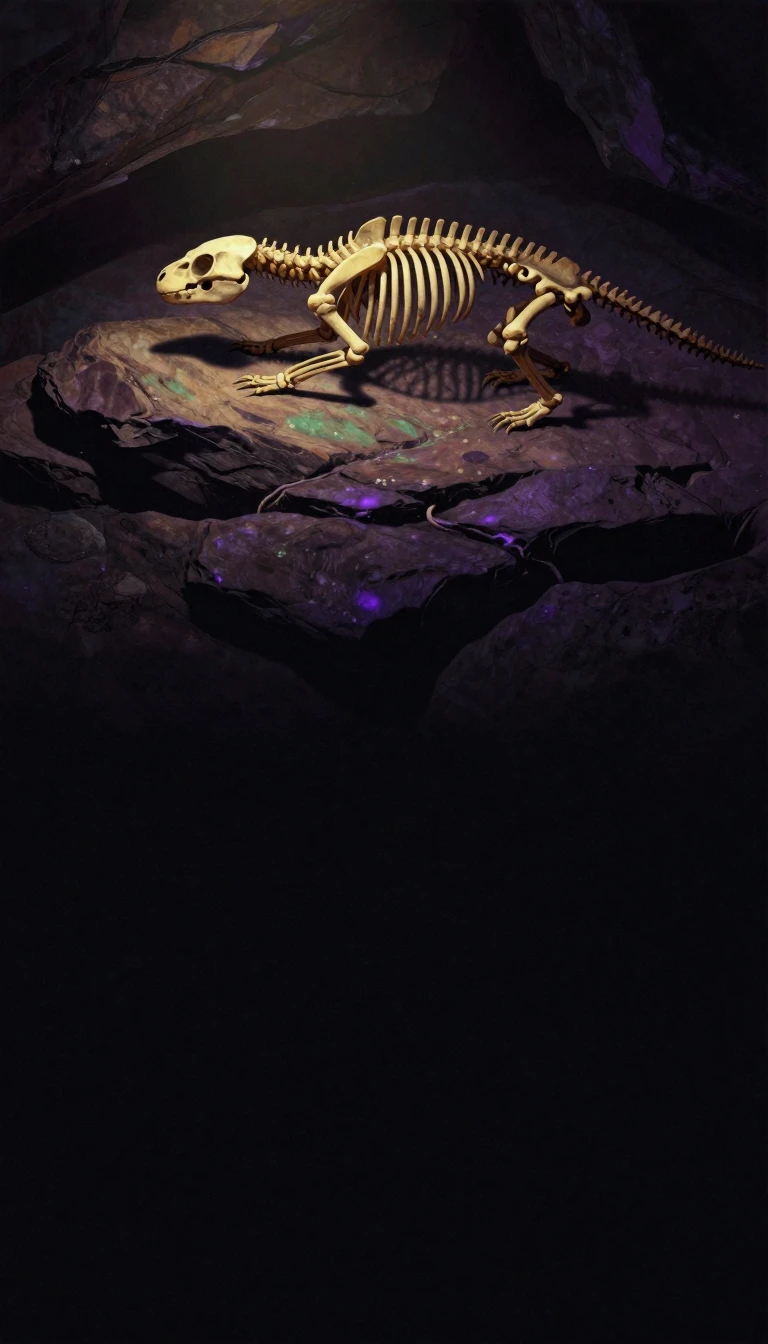
In short: Three newly discovered species of Jurassic euharamiyidans from China are rewriting the timeline of mammalian evolution. By cementing their connection to multituberculates, these fossils prove that the major split between monotremes and the lineage leading to marsupials and placentals occurred as far back as the Triassic period.
The discovery of these three euharamiyidan species provides critical evidence for the early diversification of crown mammals. By analyzing their physical characteristics and evolutionary relationships, researchers have established a firm link between these ancient creatures and the multituberculates, a successful group of early mammals. This connection is vital because it pushes the estimated date for the initial divergence of extant mammalian groups—monotremes on one side, and marsupials and placentals on the other—back into the Triassic period.
This finding is significant because it challenges previous assumptions about the pace of mammalian evolution during the Mesozoic era. The euharamiyidans, which existed from the Middle Jurassic to the Early Cretaceous, display a range of adaptations that highlight the ecological variety of early mammals. Some members of this group were arboreal, with certain forms even exhibiting gliding capabilities reminiscent of modern flying squirrels or colugos. Their dental morphology suggests they were likely herbivorous or omnivorous, filling ecological niches that were previously thought to be occupied by later mammalian groups.
Despite these insights, the precise classification of euharamiyidans remains a subject of intense scientific debate. Their evolutionary placement is often contested, with some researchers categorizing them as crown group mammals within the Allotheria, while others argue they are stem-group mammals within the Mammaliaformes. This uncertainty is compounded by the complex relationship between euharamiyidans and earlier haramiyids from the Late Triassic, such as Haramiyavia. Whether these groups are closely related or represent separate evolutionary experiments is a question that continues to drive research in vertebrate paleontology, as scientists work to reconcile these new fossils with existing phylogenetic models.
Opens the Intellect+ feed with this card first. Swipe up for the next one.
Sources
- Summary by Intellect · source: Three new Jurassic euharamiyidan species reinforce early divergence of mammals - Nature
- Also: Euharamiyida
To cite this card, link to https://intellectplus.co.uk/app/nature-euharamiyida.
How we source, check and correct cards: Editorial standards.
General information, not professional advice. Spotted an error? Flag the card or see corrections and complaints.
Intellect Plus is a visual educational discovery platform for exploring fascinating facts and ideas. Brain Food, Not Brain Rot. What is Intellect Plus?
Related
More in Vertebrates · More in Nature · Latest · A–Z · All topics
