Meet the shrew-like ancestor that bridged the gap between reptiles and modern mammals
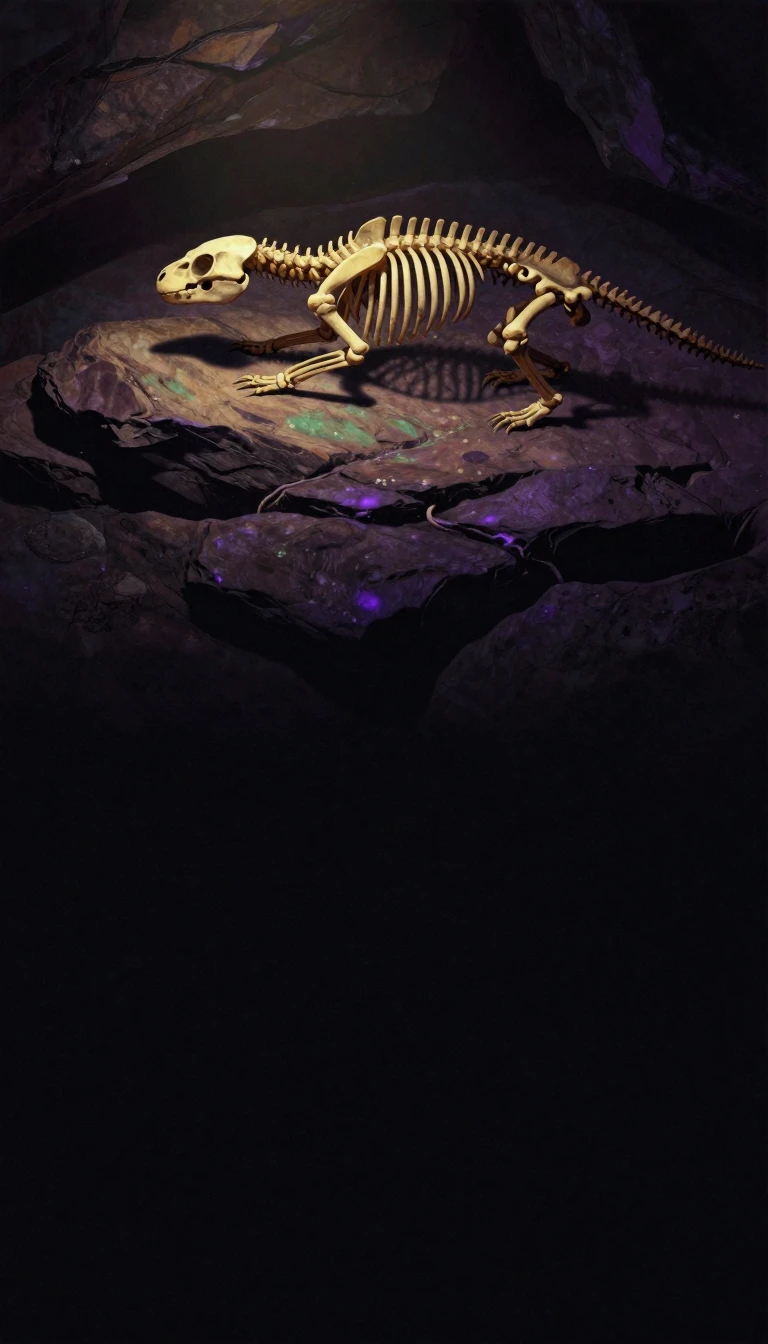
In short: Roughly 200 million years ago, a tiny creature named Megazostrodon emerged, sporting a brain larger than its cynodont predecessors. This nocturnal insectivore evolved critical mammalian traits, including specialized teeth and a single-boned jaw, setting the stage for the rise of mammals in a world dominated by dinosaurs.
Megazostrodon, a genus of basal mammaliaforms, represents a pivotal moment in vertebrate evolution. First discovered in 1966 by Ione Rudner in Lesotho, this creature lived during the Late Triassic and Early Jurassic periods. While it is often considered a close relative of mammals, it occupied a transitional space; recent classifications place it as a mammaliaform outside the strict grouping of Mammalia proper. Two species are currently recognized: M. rudnerae, found in southern Africa, and M. chenali, identified in France in 2015.
Physically, Megazostrodon was small, measuring between 10 and 12 centimetres in length. Its biology reveals a sophisticated adaptation to an active lifestyle. Unlike reptiles, which possess uniform teeth, Megazostrodon featured heterodont dentition—incisors, canines, premolars, and molars—allowing for efficient chewing. Its lower jaw had consolidated into a single bone, the dentary, while the ancestral jaw bones were already beginning their evolutionary migration toward the middle ear. These skeletal shifts, combined with a short ribcage and large lungs, supported higher activity levels.
The transition to endothermy, inherited from its cynodont ancestors, was perhaps the most significant development. By generating its own body heat, Megazostrodon could sustain activity regardless of the ambient temperature, a trait that likely facilitated its nocturnal habits. This nighttime lifestyle provided a strategic advantage, allowing it to avoid competition and predation by diurnal dinosaurs. Despite these advancements, the creature retained some primitive features, such as unfused vertebrae and a likely tendency to lay eggs, much like modern monotremes. By lacking epipubic bones, it stands out as unique among its mammaliaform peers, marking a fascinating, albeit incomplete, step toward the mammalian form we recognize today.
Opens the Intellect+ feed with this card first. Swipe up for the next one.
Sources
- Summary by Intellect · source: Megazostrodon
To cite this card, link to https://intellectplus.co.uk/app/nature-megazostrodon.
How we source, check and correct cards: Editorial standards.
General information, not professional advice. Spotted an error? Flag the card or see corrections and complaints.
Intellect Plus is a visual educational discovery platform for exploring fascinating facts and ideas. Brain Food, Not Brain Rot. What is Intellect Plus?
Related
More in Vertebrates · More in Nature · Latest · A–Z · All topics
