Did the woolly mammoth vanish because its ecosystem collapsed, or did it cause the collapse?
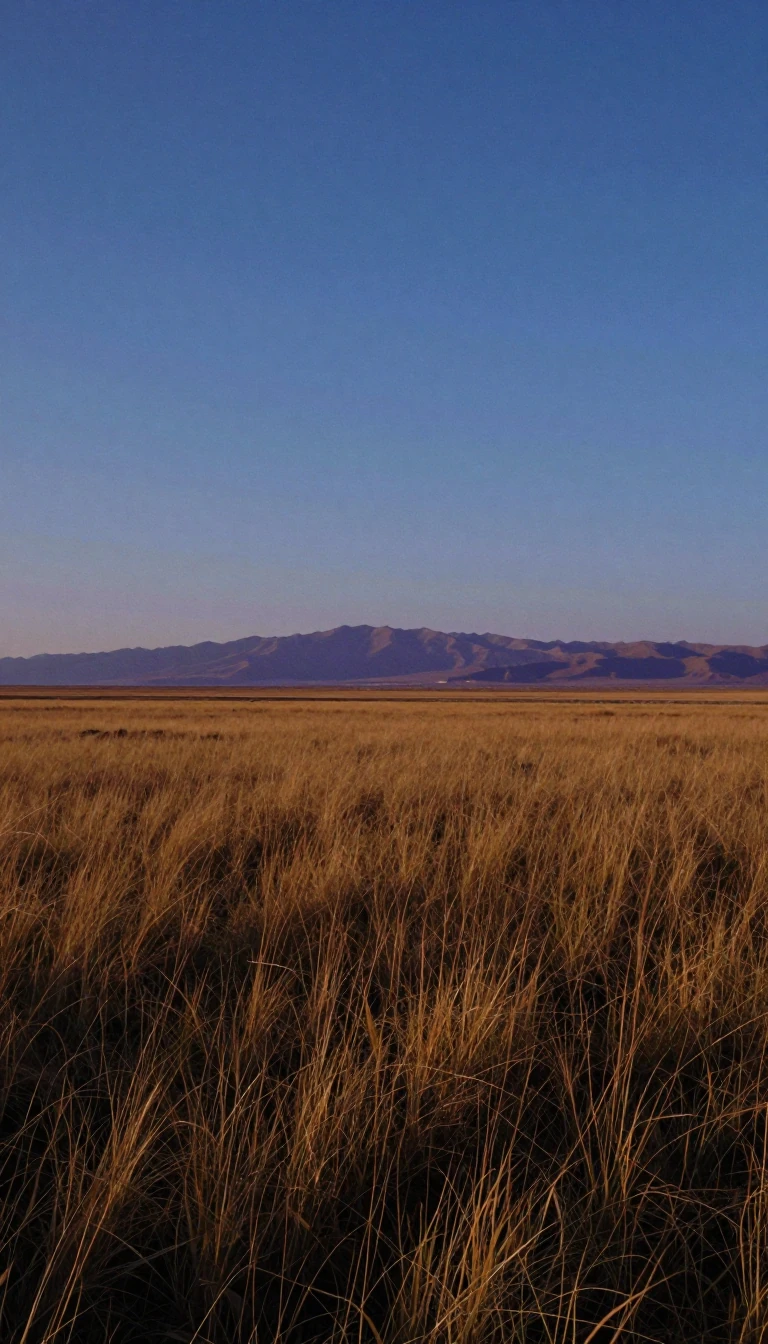
In short: The mammoth-steppe was once Earth's most expansive biome, a cold, dry grassland stretching across three continents. Its sudden disappearance remains a scientific puzzle. Did climate change destroy the habitat, or did the loss of keystone megaherbivores trigger a cascade that transformed the landscape into the shrublands we see today?
For roughly 100,000 years, the mammoth-steppe thrived as a vast, productive grassland dominated by herbs and grasses. This biome supported iconic megafauna like woolly mammoths, horses, and steppe bison. However, between 13,500 and 10,000 years ago, this ecosystem underwent a dramatic transformation in the Klondike region of Yukon, Canada. As the climate shifted, the open steppe was replaced by woody shrubs and peatlands, leading to the widespread extinction of the giant mammals that once defined the landscape.
Scientists are divided on the sequence of these events. One prominent theory, the shrub/peatland expansion model, suggests that climate-driven environmental changes made the region inhospitable for large grazers, leading to their decline. Conversely, the keystone-decline model argues that these megaherbivores acted as ecological engineers. In this view, their population collapse—whether caused by human hunting or environmental pressures—removed the grazing pressure necessary to maintain the grasslands, allowing shrubs to take over.
Recent advances in sedimentary ancient DNA (sedaDNA) are helping researchers test these competing models. By analyzing permafrost silts, scientists have discovered evidence of 'ghost ranges,' where species like the woolly mammoth and North American horse persisted thousands of years after their supposed disappearance from the fossil record. These findings suggest that the transition was more complex than previously understood, with some species lingering in small, cryptic populations long after their primary habitat began to fade.
Ultimately, the loss of these megafauna likely restructured the terrestrial biosphere, impacting vegetation, biogeochemistry, and climate feedback systems. While some researchers point to rapid climate change as the primary driver, others emphasize the role of human dispersal. It is increasingly likely that no single factor explains these extinctions; rather, each ecosystem faced a unique, compounding set of pressures that pushed these ancient giants toward their final decline.
Opens the Intellect+ feed with this card first. Swipe up for the next one.
Sources
- Summary by Intellect · source: Collapse of the mammoth-steppe in central Yukon as revealed by ancient environmental DNA - Nature Communications
- Also: Mammoth steppe
To cite this card, link to https://intellectplus.co.uk/app/nature-mammoth-steppe.
How we source, check and correct cards: Editorial standards.
General information, not professional advice. Spotted an error? Flag the card or see corrections and complaints.
Intellect Plus is a visual educational discovery platform for exploring fascinating facts and ideas. Brain Food, Not Brain Rot. What is Intellect Plus?
Related
More in Earth science · More in Nature · Latest · A–Z · All topics
