Marine snow is the vital, falling detritus that fuels life in the deep ocean
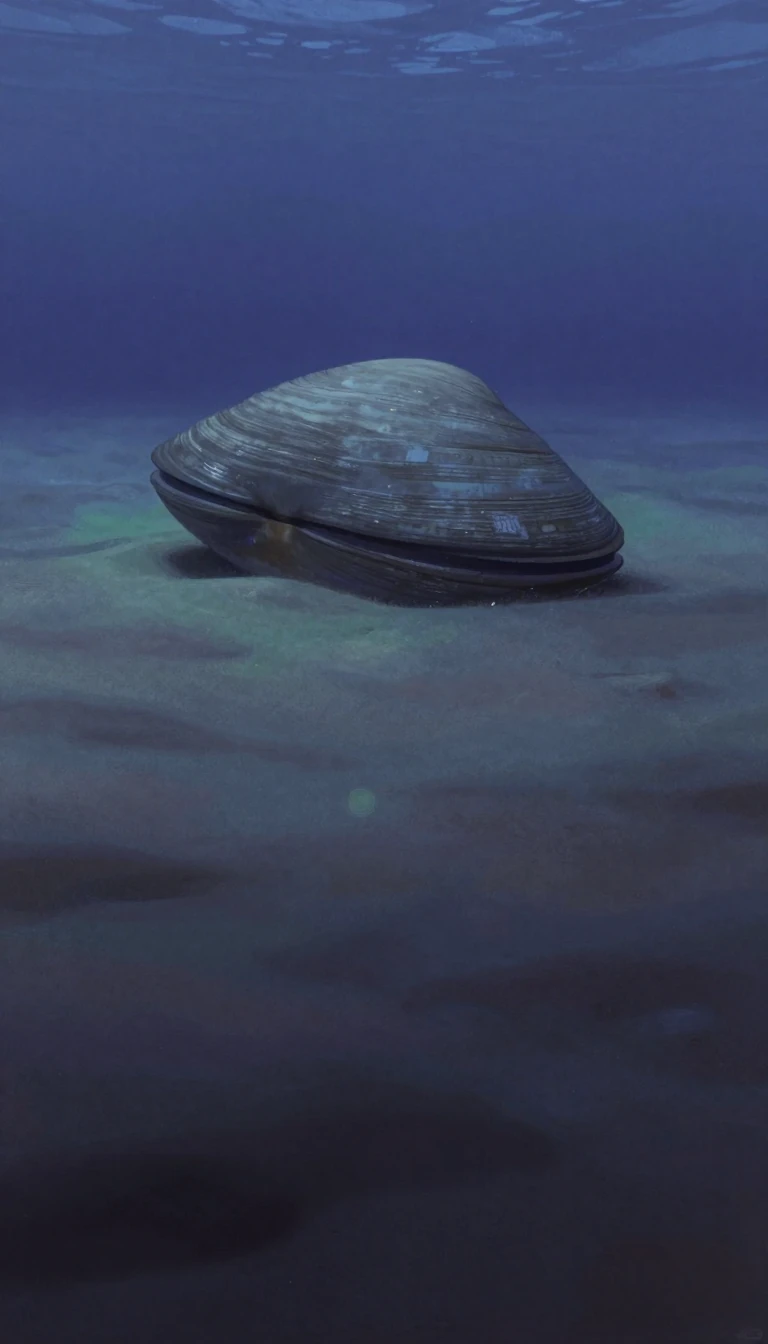
In short: Often resembling white, fluffy flakes, marine snow is a continuous shower of organic debris drifting from the ocean surface to the seafloor. This biological rain acts as a critical carbon pump, transporting essential nutrients and energy to dark, deep-sea ecosystems that would otherwise remain barren and desolate.
Marine snow is composed of a diverse mixture of organic and inorganic matter, including phytoplankton, fecal pellets, dead animals, and suspended sediments like silt. As these particles descend through the water column, they aggregate into larger structures, sometimes reaching several centimeters in diameter. This growth process is crucial, as larger particles sink more rapidly, increasing the likelihood that organic carbon reaches the deep ocean before it is consumed or decomposed by microbes and zooplankton in shallower waters.
The journey to the seafloor can take weeks, during which the composition and morphology of these particles significantly influence their fate. Scientists categorize marine snow into distinct morphotypes based on size, shape, and structure. For instance, researchers have identified five specific types, ranging from small, dense, circular objects to large, bright, multi-element agglomerates. These variations determine how efficiently carbon is exported to the deep sea and how the particles interact with the surrounding plankton community.
Once this material reaches the bottom, it provides a primary food source for deep-sea scavengers and filter-feeders. The small percentage of organic matter that escapes consumption in the upper layers settles into a thick, muddy ooze that blankets the ocean floor. This accumulation is a slow process, with some regions collecting as much as six meters of material every million years. By acting as a foundation for benthic ecosystems, marine snow sustains life in the aphotic zone, where sunlight cannot penetrate.
Understanding the dynamics of marine snow is essential for modeling the global carbon cycle. Because the prevalence of these aggregates fluctuates with seasonal phytoplankton blooms and ocean currents, they serve as a key indicator of ocean productivity. Advances in underwater imaging now allow scientists to quantify these particles in situ, providing deeper insights into how the biological pump functions and how it might respond to changing environmental conditions in the future.
Opens the Intellect+ feed with this card first. Swipe up for the next one.
Sources
- Summary by Intellect · source: Marine snow morphology illuminates the evolution of phytoplankton blooms and determines their subsequent vertical export - Nature Communications
- Also: What is "marine snow"? - NOAA Ocean Exploration
- Also: Marine snow
- Also: What is marine snow?
To cite this card, link to https://intellectplus.co.uk/app/nature-marine-snow.
How we source, check and correct cards: Editorial standards.
General information, not professional advice. Spotted an error? Flag the card or see corrections and complaints.
Intellect Plus is a visual educational discovery platform for exploring fascinating facts and ideas. Brain Food, Not Brain Rot. What is Intellect Plus?
Related
More in Organisms · More in Nature · Latest · A–Z · All topics
