The marbled cat is a master of the canopy with a mysterious evolutionary past
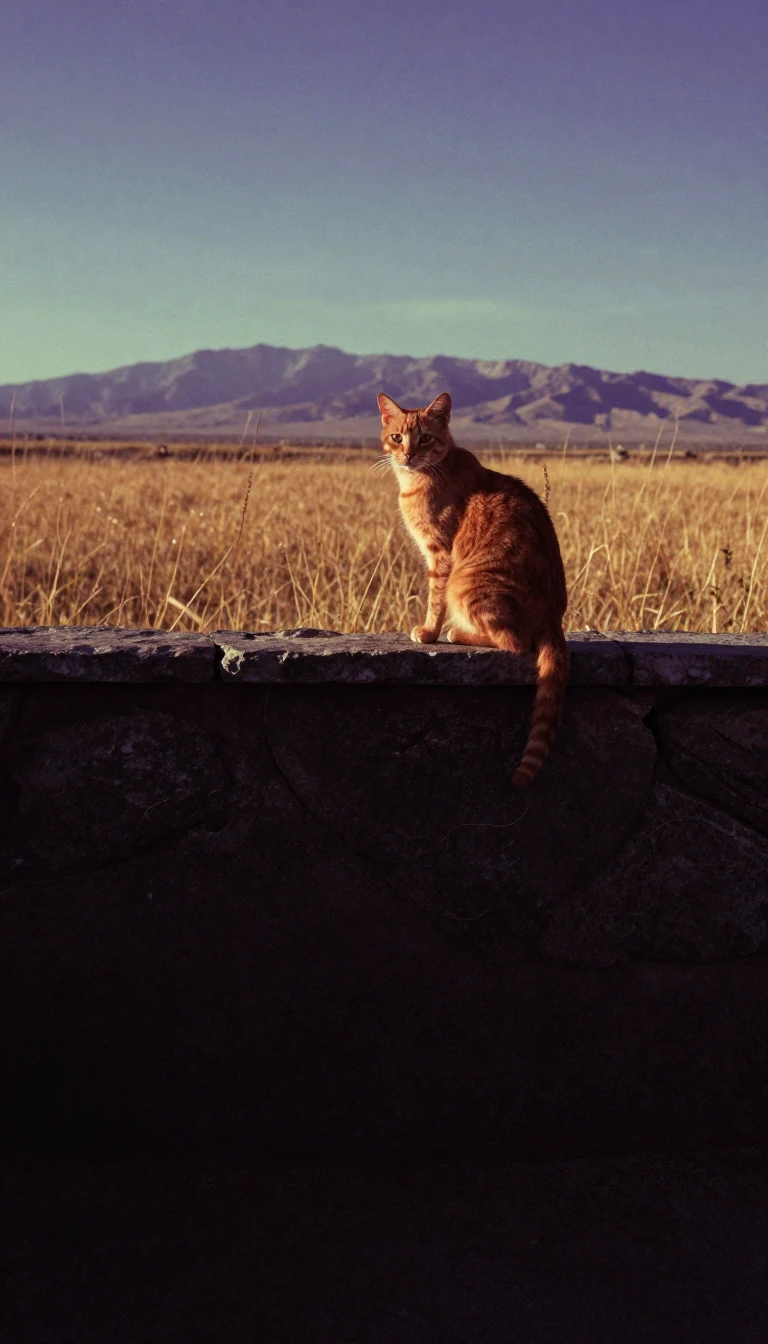
In short: Resembling a miniature clouded leopard, the marbled cat is a small, elusive predator native to the forests of Asia. While it shares the size of a common house cat, its long, thick tail and webbed paws reveal an specialized arboreal lifestyle that remains poorly understood by modern science.
The marbled cat, Pardofelis marmorata, inhabits a vast range stretching from the eastern Himalayan foothills to the tropical islands of Sumatra and Borneo. Despite this wide distribution, the species is classified as Near Threatened by the IUCN. These cats are primarily associated with moist, deciduous-evergreen tropical forests, though they have been documented in diverse environments ranging from high-altitude conifer forests in Bhutan to peat swamp forests in Borneo.
Physically, the cat is defined by its striking marbled coat and an exceptionally long, furry tail that acts as a vital counterbalance for life in the trees. Interestingly, the species possesses unusually large canine teeth, a trait that mirrors the anatomy of big cats but is considered a result of parallel evolution. Phylogenetic studies suggest the marbled cat belongs to an evolutionary lineage shared with the Asian golden cat and the bay cat, with divergence occurring millions of years ago.
Behavioral data on the species is fragmented, as camera-trapping surveys often yield few records. While some individuals have been observed to be nocturnal or crepuscular, others in northeast India have shown peak activity during the day. Their diet likely consists of birds, squirrels, and reptiles, though they have been observed preying on larger targets like monkeys. The species faces significant threats from habitat loss due to logging and agriculture, as well as indiscriminate snaring, which persists throughout much of its range.
The species is protected under various national laws and is included in CITES Appendix I, yet it remains vulnerable. In some regions, such as the Lower Subansiri District of India, the cats are occasionally hunted for traditional sacrificial ceremonies. Because they are rarely observed in the wild, much of what we know about their reproductive biology—including a gestation period of 66 to 82 days—comes from the limited number of individuals bred in captivity.
Opens the Intellect+ feed with this card first. Swipe up for the next one.
Sources
- Summary by Intellect · source: Marbled cat
- Also: Marbled Cat (Pardofelis marmorata)
- Also: www.britannica.com — Marbled cat | Asian, Rainforest & Nocturnal | Britannica
To cite this card, link to https://intellectplus.co.uk/app/nature-marbled-cat.
How we source, check and correct cards: Editorial standards.
General information, not professional advice. Spotted an error? Flag the card or see corrections and complaints.
Intellect Plus is a visual educational discovery platform for exploring fascinating facts and ideas. Brain Food, Not Brain Rot. What is Intellect Plus?
Related
More in Organisms · More in Nature · Latest · A–Z · All topics
