The markhor is a mountain-dwelling goat with a name that means snake-eater.
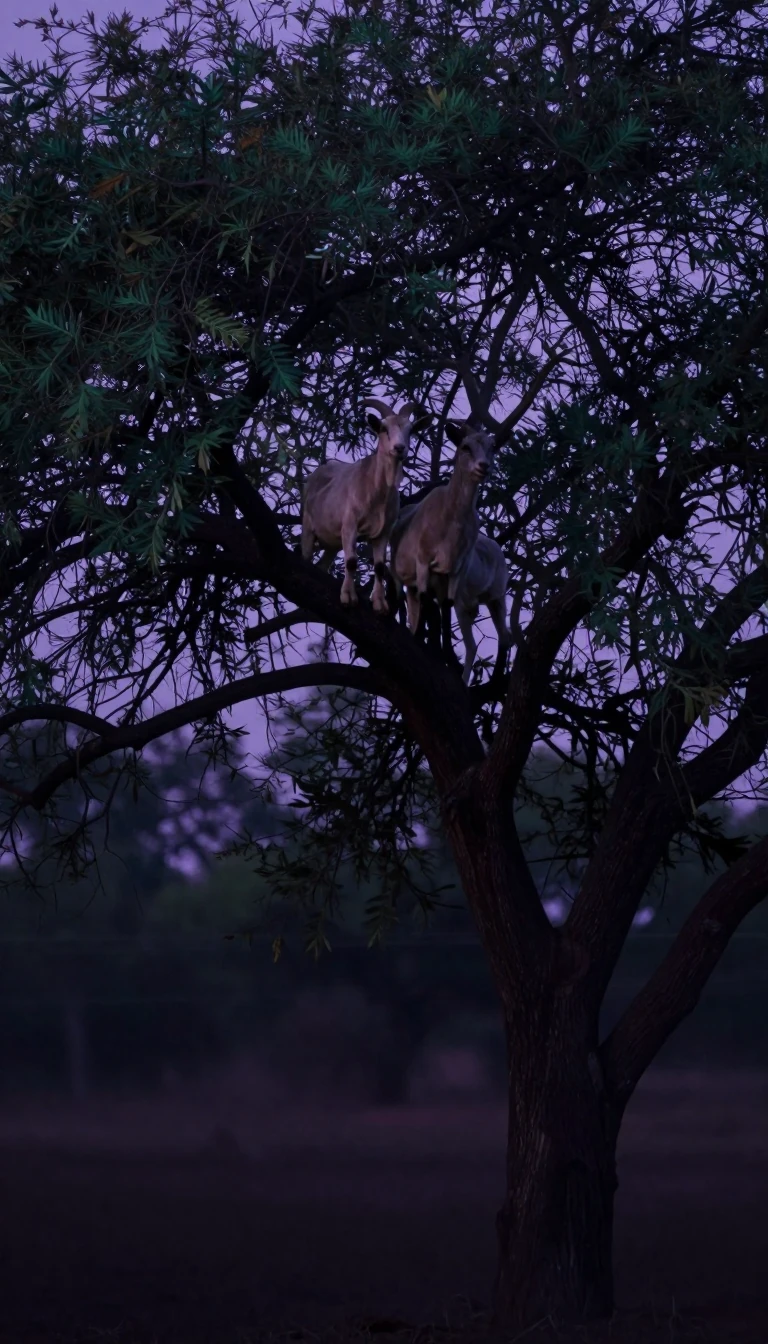
In short: Known as the screw-horned goat, this elusive species thrives in the rugged terrain of Central and South Asia. While folklore once claimed it hunted serpents, modern science reveals a more complex reality involving unique evolutionary traits, intense competition with domestic livestock, and a surprising rebound driven by regulated trophy hunting.
The markhor (Capra falconeri) is a large, wild goat species native to the high-altitude mountain ranges of the Karakoram and Himalayas. Standing up to 115 cm at the shoulder, these animals are defined by their striking, corkscrew-like horns, which can reach 160 cm in males. Their name, derived from Persian, translates to snake-eater, reflecting an ancient belief that they actively hunted and consumed serpents. Local folklore even suggests that the foam produced while they chew cud can be used to treat snakebites, though this is a myth rooted in cultural tradition rather than biological fact.
Genetically, the markhor is one of the most distinct wild goats, having diverged early from other Capra species. They are highly adapted to steep, rocky environments, living at elevations up to 3,600 meters. Their behavior is strictly diurnal, with seasonal shifts in diet: they graze in warmer months and browse on high branches during winter. Despite their resilience, they face significant threats from predators like snow leopards and wolves, as well as habitat fragmentation caused by poaching and competition for forage with domestic livestock, which often displaces them from prime grazing areas.
Conservation efforts have seen a remarkable shift in recent decades. While poaching remains a primary threat, the Pakistani government introduced a regulated trophy hunting program that allows for the legal harvest of older, non-breeding males. This initiative has generated funds for local conservation and contributed to a population rebound. As of 2013, the global population was estimated at 5,800 individuals. Recognizing their ecological importance, the United Nations General Assembly declared May 24 as the International Day of Markhor in 2024, highlighting the ongoing global commitment to protecting this iconic, near-threatened species.
Opens the Intellect+ feed with this card first. Swipe up for the next one.
Sources
- Summary by Intellect · source: Markhor
To cite this card, link to https://intellectplus.co.uk/app/nature-markhor.
How we source, check and correct cards: Editorial standards.
General information, not professional advice. Spotted an error? Flag the card or see corrections and complaints.
Intellect Plus is a visual educational discovery platform for exploring fascinating facts and ideas. Brain Food, Not Brain Rot. What is Intellect Plus?
Related
More in Organisms · More in Nature · Latest · A–Z · All topics
