Beyond the basics: how life across the planet masters the art of reproduction
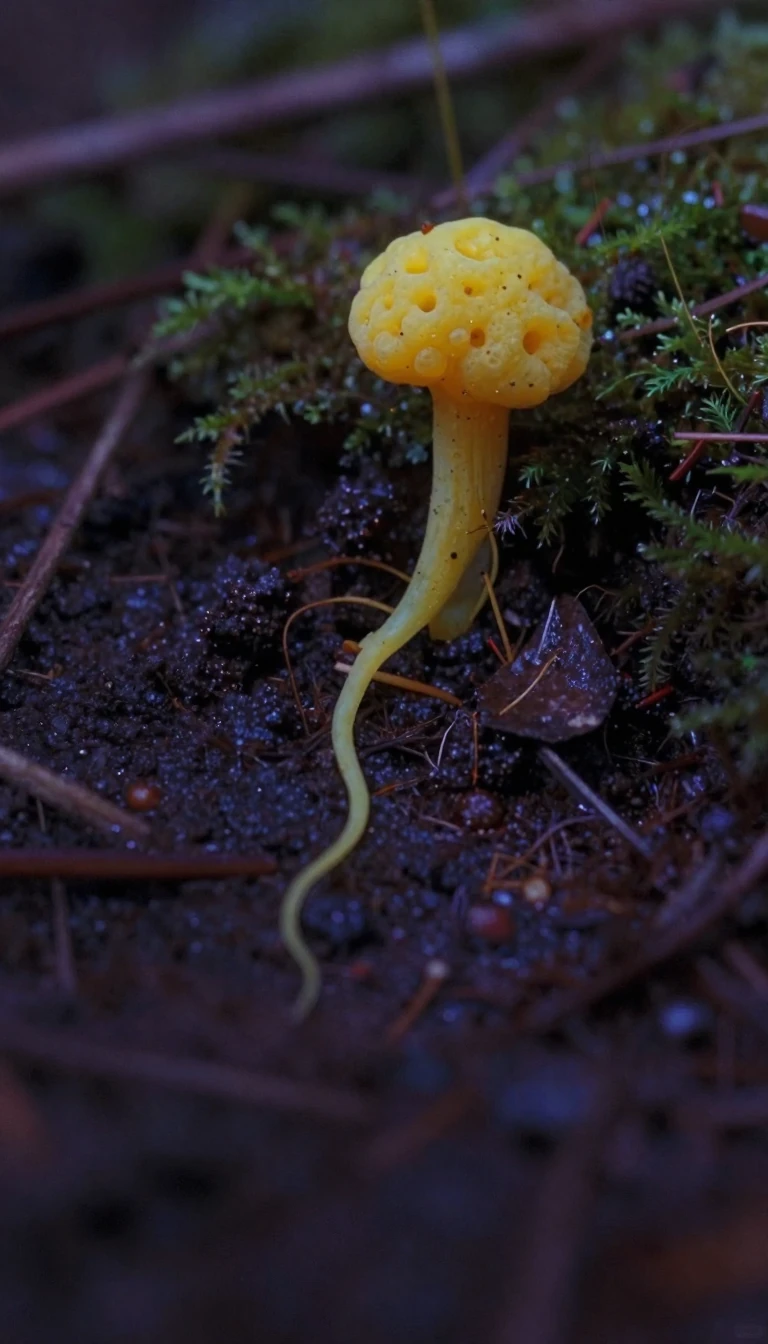
In short: Mating is far more than a simple pairing of opposites. From the complex chemical signaling of insects to the stress-induced sexual shifts in fungi and protists, life employs a staggering variety of strategies to ensure survival. Discover the hidden mechanisms that drive the most fundamental process in the biological world.
At its core, mating is the pairing of organisms for sexual reproduction, defined by the fusion of two gametes. While many animals rely on copulation—the union of sex organs for internal fertilization—this is only one piece of a much larger puzzle. In many amphibians, bony fishes, and plants, fertilization occurs externally, bypassing the need for physical contact. Even within the animal kingdom, strategies vary wildly: some species choose mates based on physical appearance, while others, like insects, utilize pheromones and complex courtship rituals. Some insects even practice mate protection or sexual cannibalism, and females may store sperm to fertilize eggs long after the initial encounter.
The diversity of reproduction extends deep into the microscopic world. Fungi, which lack distinct male or female organs, undergo a process called karyogamy, where parental nuclei fuse to form a diploid cell. Yeasts, a type of fungus, typically reproduce asexually through budding. However, when faced with environmental stressors like nutrient starvation, they can shift to sexual reproduction, producing spores that eventually reform the diploid state. This ability to switch between asexual and sexual reproduction is also common in protists, which are considered the ancestors of all eukaryotes.
For protists, the choice between asexual fission and sexual reproduction is often a calculated response to their environment. Under favorable conditions, they favor the speed of asexual reproduction. When conditions become harsh, such as during heat shock or starvation, they may turn to sexual reproduction to create new gene combinations that offer a survival advantage. This ancient, facultative approach to sex, likely present in the common ancestor of all eukaryotes, highlights how mating is not merely a biological constant, but a flexible, adaptive strategy honed by billions of years of evolution.
The mechanics of mating are also heavily influenced by human intervention in the context of agriculture. Practices like pen or paddock mating are standard in animal husbandry, though artificial insemination is increasingly preferred to avoid the complexities of live mating. Whether it is the sophisticated chemical manipulation seen in insects or the stress-triggered meiosis of yeast, mating remains a highly varied, essential mechanism for life to persist and adapt.
Opens the Intellect+ feed with this card first. Swipe up for the next one.
Sources
- Summary by Intellect · source: Mating
To cite this card, link to https://intellectplus.co.uk/app/nature-mating.
How we source, check and correct cards: Editorial standards.
General information, not professional advice. Spotted an error? Flag the card or see corrections and complaints.
Intellect Plus is a visual educational discovery platform for exploring fascinating facts and ideas. Brain Food, Not Brain Rot. What is Intellect Plus?
Related
More in Zoology · More in Nature · Latest · A–Z · All topics
