What defines a mammal beyond fur and milk? A look at the hidden anatomy.
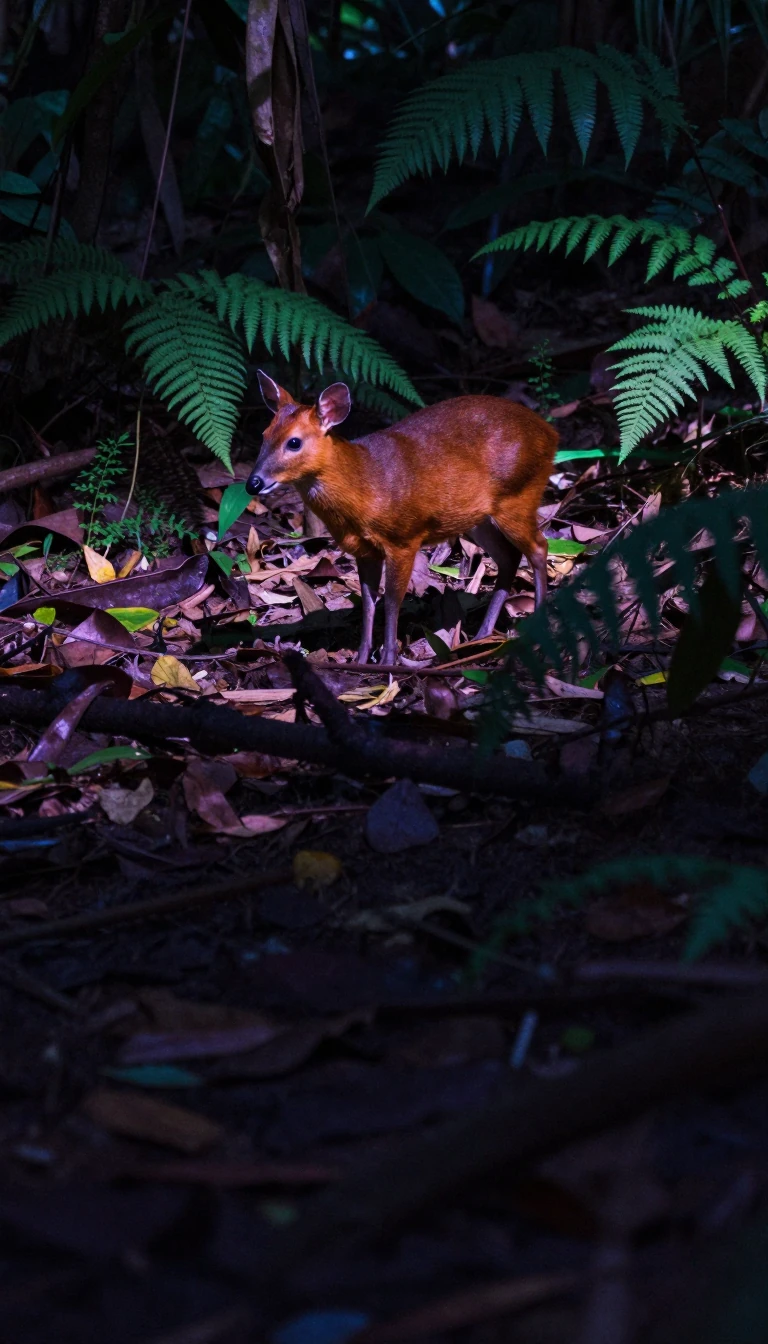
In short: Mammals are more than just furry, milk-producing creatures. Beneath the surface, they possess a unique biological architecture, including a specialized jaw hinge and a distinct heart structure. From the tiny shrew to the massive blue whale, this group exhibits a remarkable versatility that has allowed them to colonize every major habitat.
The scientific study of mammals, known as mammalogy, traces its roots to early human observation, with systematic documentation beginning in ancient Greece. While we often identify mammals by their hair and mammary glands, their internal anatomy reveals deeper evolutionary divergences. Unlike other vertebrates, mammals feature a lower jaw hinged directly to the skull, a middle ear containing three specialized bones, and a muscular diaphragm that separates the heart and lungs from the abdomen.
Physiological markers further distinguish the class. Mammals possess a single left aortic arch, whereas birds retain the right, and other vertebrates keep both. Furthermore, mature mammalian red blood cells are unique because they lack a nucleus. Most mammals are viviparous, giving birth to live young, with the exception of monotremes like the platypus and echidna, which lay eggs. Placental mammals nourish their young internally, while marsupials, such as kangaroos, complete their development in a pouch after birth.
This class is exceptionally adaptable, a trait largely attributed to the ability to regulate internal body temperatures. This thermal control has enabled mammals to thrive in environments ranging from arid deserts to freezing climates. Today, there are more than 6,800 species, with rodents representing the most numerous and diverse lineage. The distribution of these animals has been heavily influenced by continental drift; for instance, the long-term isolation of South America and Australia allowed for the independent evolution of unique mammalian stocks, creating distinct regional faunas that continue to fascinate researchers today.
Opens the Intellect+ feed with this card first. Swipe up for the next one.
Sources
- Summary by Intellect · source: Mammalogy | Evolution, Taxonomy & Ecology | Britannica
- Also: Mammalogy
To cite this card, link to https://intellectplus.co.uk/app/nature-mammalogy.
How we source, check and correct cards: Editorial standards.
General information, not professional advice. Spotted an error? Flag the card or see corrections and complaints.
Intellect Plus is a visual educational discovery platform for exploring fascinating facts and ideas. Brain Food, Not Brain Rot. What is Intellect Plus?
Related
More in Zoology · More in Nature · Latest · A–Z · All topics
