Why this small, fast whale was once ignored by the world's whaling fleets
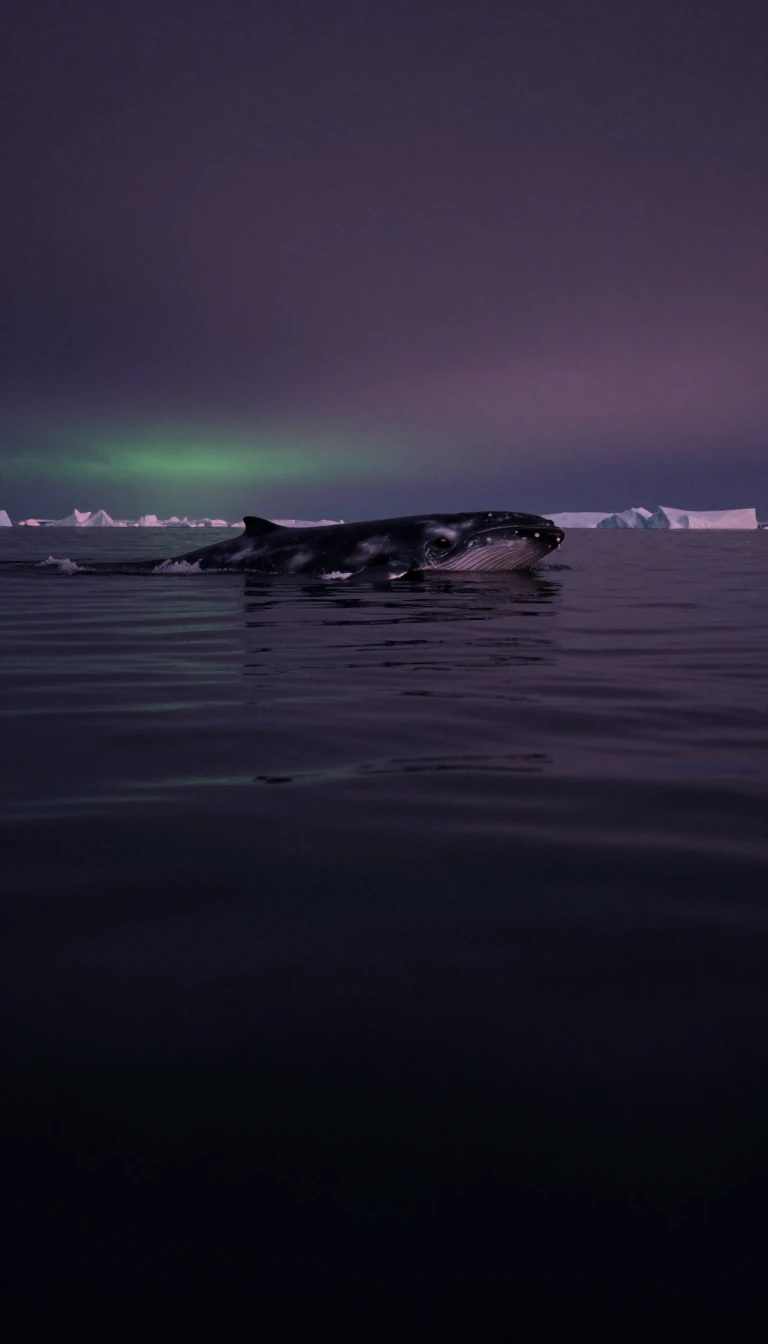
In short: The minke whale is the second smallest baleen whale, a trait that initially saved it from the industrial-scale hunting that decimated its larger relatives. Today, these elusive, high-speed swimmers are the subject of complex international debates regarding commercial whaling, scientific research, and their role in marine ecosystems.
Minke whales belong to the rorqual family, which includes giants like the blue and fin whales. Despite their relative size, they are remarkably fast, capable of reaching speeds up to 30 km/h. They are divided into two primary species: the northern common minke and the southern Antarctic minke. While they were first described in the 18th century, the Antarctic species was not widely recognized as distinct until the 1990s. Their name itself is a historical accident, stemming from a Norwegian whaler named Meincke who mistakenly identified one as a blue whale.
For decades, the whaling industry largely bypassed minke whales because they offered less oil and meat than larger species. This changed in the 1970s as populations of larger whales collapsed due to overhunting. By 1979, the minke became the primary target for Southern Ocean fleets. Following the 1986 international moratorium on whaling, the status of these animals shifted. Some nations, such as Japan, Norway, and Iceland, continued to hunt them under various legal frameworks, including scientific research permits and formal objections to the moratorium, sparking ongoing friction with environmental groups and other governments.
Beyond the politics of hunting, minke whales remain mysterious. Their auditory systems are poorly understood, though researchers suspect they use jaw-based fat deposits for sound reception. They are also known for their sophisticated anti-predatory behavior; they possess a keen sense of hearing tuned to the 32 kHz frequency range, which allows them to detect the echolocation clicks of hunting killer whales. When pursued, they rely on superior endurance to escape, though they have been observed unsuccessfully attempting to hide under ship hulls during high-speed chases. Today, they are a staple of the whale-watching industry, particularly in regions like Scotland, Iceland, and the Great Barrier Reef, where tourism operators work with scientists to monitor their behavior and ensure sustainable interactions.
Opens the Intellect+ feed with this card first. Swipe up for the next one.
Sources
- Summary by Intellect · source: Minke whale
- Also: iNaturalist — Antarctic Minke Whale (Balaenoptera bonaerensis) · CC BY-SA 4.0 (Wikipedia summary)
- Also: iNaturalist — Common Minke Whale (Balaenoptera acutorostrata) · CC BY-SA 4.0 (Wikipedia summary)
To cite this card, link to https://intellectplus.co.uk/app/nature-minke-whale.
How we source, check and correct cards: Editorial standards.
General information, not professional advice. Spotted an error? Flag the card or see corrections and complaints.
Intellect Plus is a visual educational discovery platform for exploring fascinating facts and ideas. Brain Food, Not Brain Rot. What is Intellect Plus?
Related
More in Organisms · More in Nature · Latest · A–Z · All topics
