Neutrophils are the body's rapid-response army, producing 100 billion soldiers every single day.
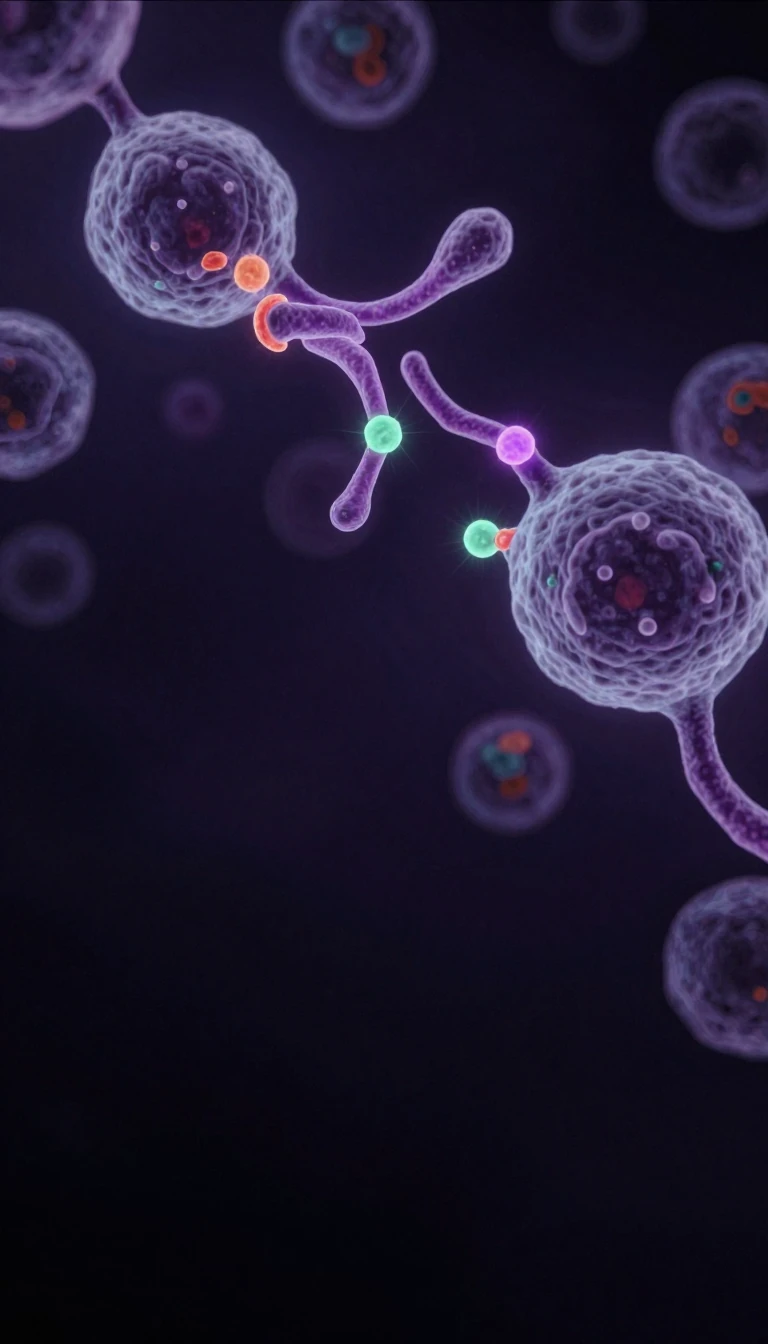
In short: As the most abundant white blood cell in your body, neutrophils act as your first line of defense against infection and injury. These highly mobile cells patrol your bloodstream, ready to swarm sites of damage within minutes, engulfing invaders with a potent, enzyme-filled arsenal of microscopic chemical weapons.
Neutrophils are a type of granulocyte, named for the granules that fill their cytoplasm. These cells are defined by their unique ability to stain neutral pink or purple-blue under a microscope. A mature neutrophil typically features a nucleus divided into two to five distinct lobes, a structure that helps them navigate through tight spaces. In a healthy adult, the bone marrow works tirelessly to generate roughly 100 billion of these cells daily, maintaining a massive reserve to be deployed instantly when inflammation or infection signals are detected.
The journey of a neutrophil is one of high-speed movement and short-lived intensity. Once they receive a chemical signal—a process known as chemotaxis—they exit the bloodstream and migrate into tissues. They move using amoeboid motion, extending projections called pseudopodia to pull themselves forward. Upon reaching an invader, they perform phagocytosis, engulfing the target into a structure called a phagosome. They then release their granules, which contain enzymes and reactive oxygen species like hydrogen peroxide and superoxide, to digest and destroy the threat. This process, known as degranulation, is essential for clearing bacteria.
While they are vital for survival, the life of a neutrophil is remarkably brief. Once they leave the bone marrow, they may circulate for only a few hours or survive for a day or two after entering tissues. Their numbers are tightly regulated; an excess, known as neutrophilia, often signals acute inflammation or certain blood cancers, while a deficiency, or neutropenia, leaves the body dangerously vulnerable to life-threatening bacterial infections. Interestingly, their efficiency as hunters can be influenced by metabolic factors, with research suggesting that high sugar intake may impair their ability to engulf bacteria compared to a fasting state.
Opens the Intellect+ feed with this card first. Swipe up for the next one.
Sources
- Summary by Intellect · source: Neutrophil | Description, Characteristics, & Function | Britannica
- Also: Neutrophil
To cite this card, link to https://intellectplus.co.uk/app/nature-neutrophil.
How we source, check and correct cards: Editorial standards.
General information, not professional advice. Spotted an error? Flag the card or see corrections and complaints.
Intellect Plus is a visual educational discovery platform for exploring fascinating facts and ideas. Brain Food, Not Brain Rot. What is Intellect Plus?
Related
More in Organisms · More in Nature · Latest · A–Z · All topics
