Why the golden silk orb-weaver spider builds a web that shines like gold
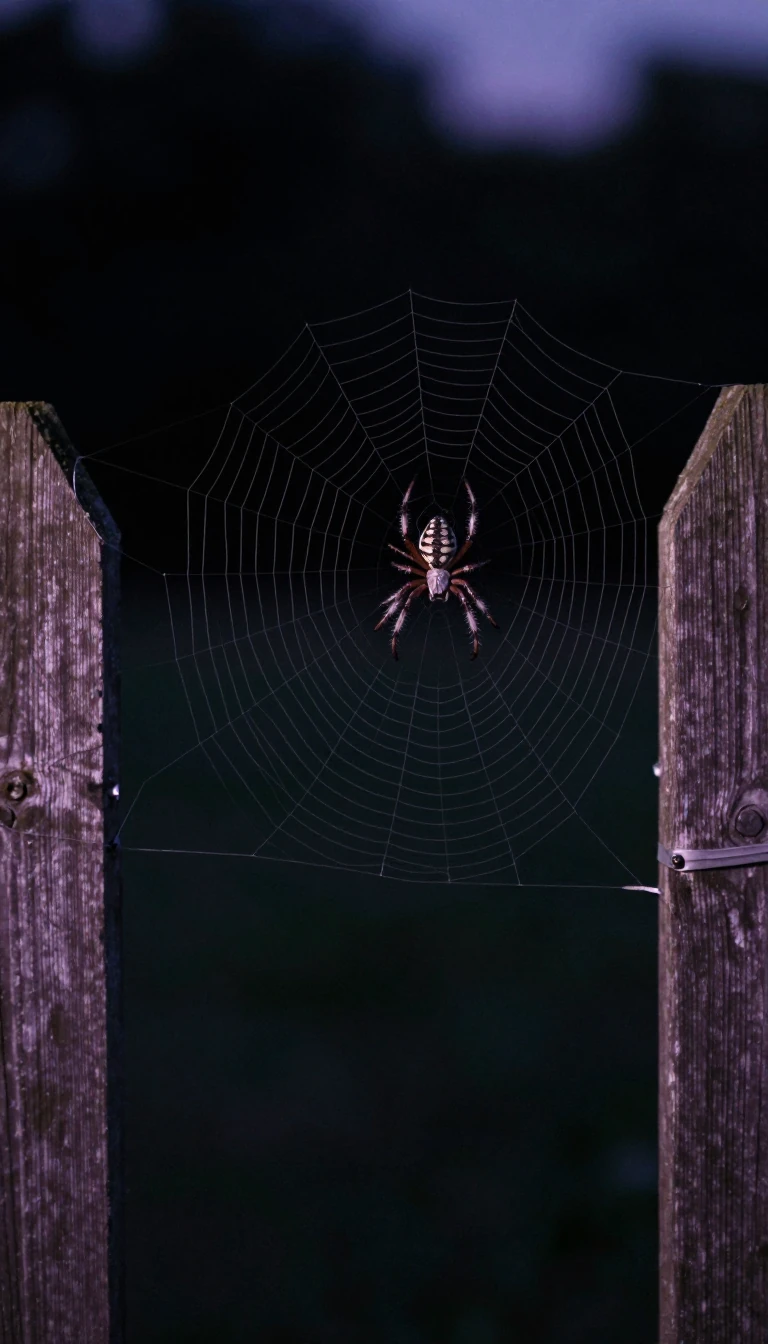
In short: Nephila spiders weave massive, complex orb webs that shimmer with a distinct golden hue. This color is not merely aesthetic; it serves as a sophisticated tool for survival, acting as either a lure for bees in sunlit areas or a clever camouflage against foliage in the shade.
The genus Nephila, whose name stems from the Ancient Greek for 'fond of spinning,' is renowned for its impressive, asymmetric webs that can reach 1.5 meters in diameter. These structures are built with a unique combination of sticky and non-sticky silk. Unlike other orb-weavers that replace their entire web, Nephila spiders often perform partial renewals, consuming the old sections and spinning new radial elements to maintain the web's efficacy. The golden color of the silk is primarily attributed to carotenoids, though other compounds like xanthurenic acid and quinones may also contribute to the pigment.
These spiders exhibit extreme sexual dimorphism, with females significantly larger than males. A female can reach body sizes of 5.1 cm, while males are often two-thirds smaller. This size difference is a subject of scientific debate, with theories ranging from female gigantism—linked to higher fecundity—to male dwarfism, which may provide smaller males with increased agility to escape predators or avoid sexual cannibalism. Males often approach females while they are feeding or molting to minimize the risk of being consumed, sometimes even using 'mate binding' behaviors to ensure survival during copulation.
Nephila spiders are highly selective feeders. While they are capable of trapping small birds or bats, research indicates that prey larger than 66% of the spider's size accounts for 85% of the total biomass consumed. To manage fluctuations in food availability, they create caches of prey items wrapped in silk above the hub of their web. These caches serve as a backup food source and can even act as bait. In urban environments, these spiders have been observed growing larger and carrying more eggs, likely due to increased prey concentrations and reduced predation pressure compared to their native habitats.
Opens the Intellect+ feed with this card first. Swipe up for the next one.
Sources
- Summary by Intellect · source: Nephila
- Also: iNaturalist — Golden Silk Spider (Trichonephila clavipes) · CC BY-SA 4.0 (Wikipedia summary)
To cite this card, link to https://intellectplus.co.uk/app/nature-nephila.
How we source, check and correct cards: Editorial standards.
General information, not professional advice. Spotted an error? Flag the card or see corrections and complaints.
Intellect Plus is a visual educational discovery platform for exploring fascinating facts and ideas. Brain Food, Not Brain Rot. What is Intellect Plus?
Related
More in Organisms · More in Nature · Latest · A–Z · All topics
