The Nigerian Dwarf: A Miniature Dairy Powerhouse With A Surprising African Heritage
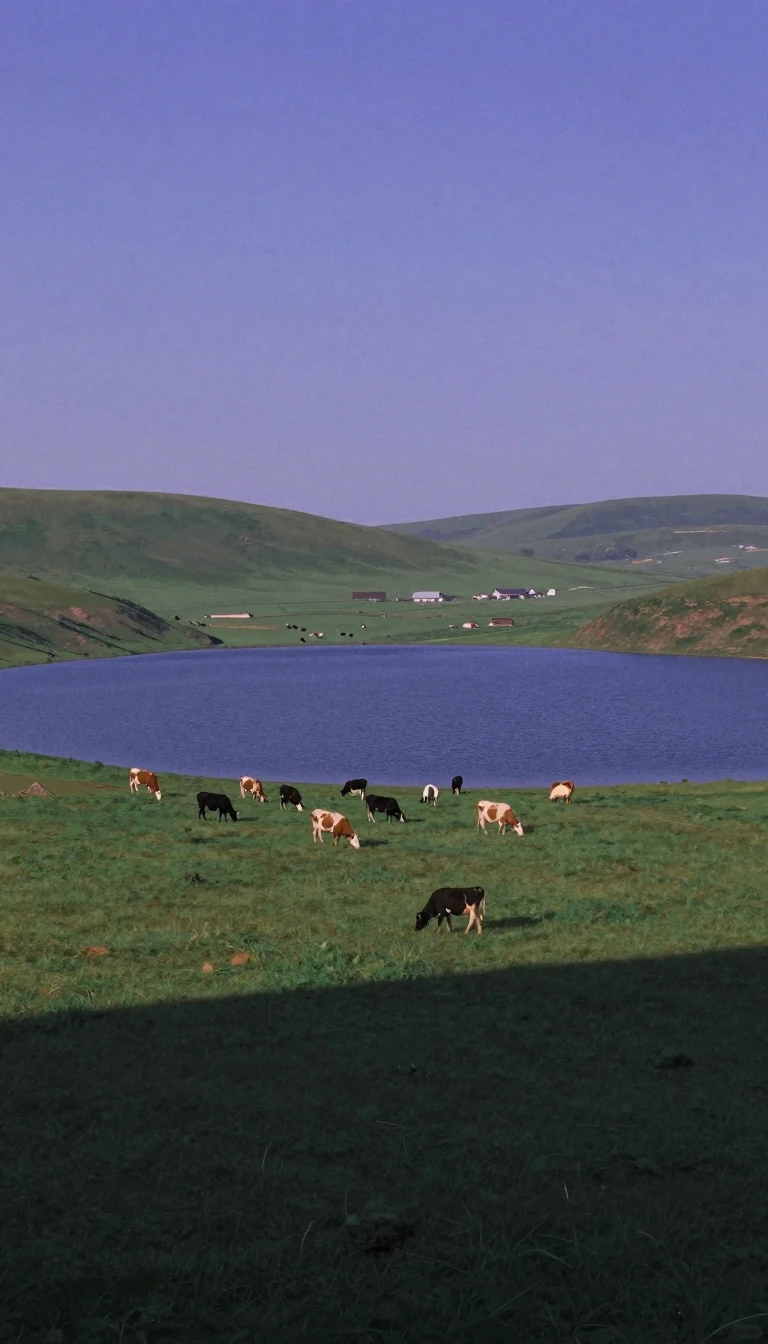
In short: Though they look like charming companions, Nigerian Dwarf goats are a sophisticated breed of miniature dairy livestock. Originating from West African stock imported to American zoos, these animals have evolved from show-ring favorites into high-yield producers of rich, protein-dense milk, all while maintaining a remarkably compact and docile stature.
The Nigerian Dwarf breed traces its roots to the West African Dwarf group, with foundation stock brought to the United States between 1930 and 1960 for zoo exhibitions. Unlike the stocky West African Dwarf, the Nigerian Dwarf was selectively bred to mirror the elegant conformation of full-sized dairy goats. Initially prized for their docility and appearance as show animals, their utility shifted over time as breeders recognized their potential for small-scale dairy production. By 1980, a formal herd-book was established, and in 2005, the American Dairy Goat Association officially recognized the breed.
Physically, these goats are defined by their upright ears, fine coats, and varied color patterns, often appearing in gold, chocolate, or black. While they typically weigh around 35 kilograms, those bred specifically for dairy performance can exceed these averages. Their reproductive biology is notably precocious; males can be bred as early as three months, and females by seven or eight months. They are prolific breeders, frequently producing twins, triplets, or even quadruplets during a gestation period of 145 to 153 days.
The breed's dairy performance is its most striking feature. A typical dairy animal yields 340 kilograms of milk annually, though exceptional individuals have reached nearly 1,000 kilograms in a single 305-day lactation. This milk is prized for its high butterfat and protein content, making it ideal for artisanal cheese and butter production. Beyond the farm, the breed's influence extends to other varieties, such as the Nigora, which was developed in the 1990s by crossing the Nigerian Dwarf with Angora and other mohair-producing breeds.
Today, the Nigerian Dwarf is a global success story. Once considered a recovering heritage breed, it was removed from the Livestock Conservancy's watchlist in 2013 and is currently classified as not at risk. With nearly 40,000 head in the United States as of 2023, and established populations in Canada and Australia, the breed has firmly transitioned from a niche zoo curiosity to a staple of modern small-scale agriculture.
Opens the Intellect+ feed with this card first. Swipe up for the next one.
Sources
- Summary by Intellect · source: Nigerian Dwarf
To cite this card, link to https://intellectplus.co.uk/app/nature-nigerian-dwarf.
How we source, check and correct cards: Editorial standards.
General information, not professional advice. Spotted an error? Flag the card or see corrections and complaints.
Intellect Plus is a visual educational discovery platform for exploring fascinating facts and ideas. Brain Food, Not Brain Rot. What is Intellect Plus?
Related
More in Animal breeds and hybrids · More in Nature · Latest · A–Z · All topics
