How South American mammals evolved to look like rabbits, rhinos, and wombats
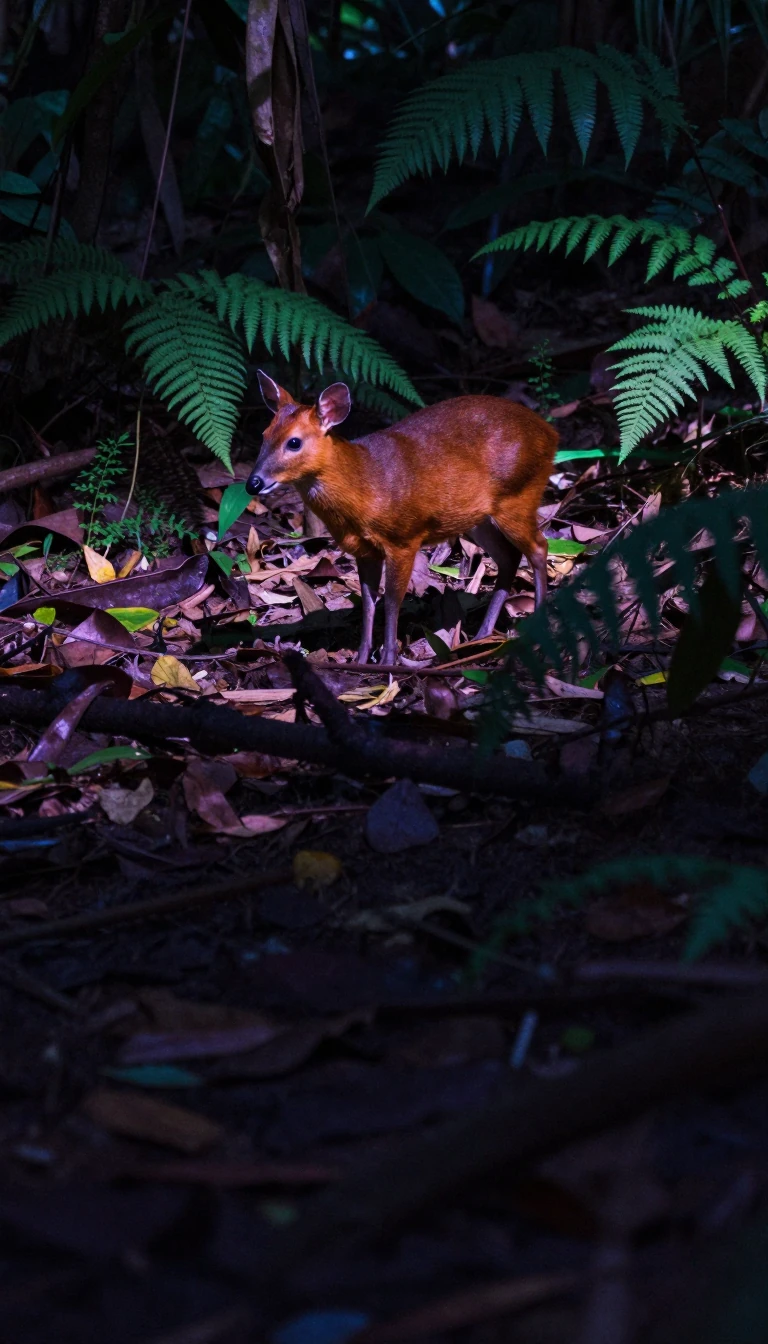
In short: For millions of years, South America was an evolutionary laboratory. Isolated from the rest of the world, a unique order of hoofed mammals called Notoungulata thrived. They filled ecological niches occupied elsewhere by rabbits, rodents, and rhinoceroses, creating a bizarre, parallel mammalian history that ended only recently.
The Notoungulata were the most successful group of indigenous South American ungulates, comprising over 150 distinct genera across 14 families. Emerging during the Paleocene, these animals dominated the continent for tens of millions of years. Their morphology was remarkably varied; some species were tiny, weighing only one or two kilograms, while others, like the massive Toxodon, exceeded 1,000 kilograms in body mass.
Because South America remained geographically isolated for much of the Cenozoic, notoungulates underwent extensive convergent evolution. They developed body forms and locomotion styles strikingly similar to unrelated mammals elsewhere. Some typotheres moved with a bounding, rabbit-like gait, while mesotheriids occupied niches comparable to modern wombats. Toxodontians, meanwhile, evolved into heavy, robust forms that mirrored the ecological roles of hippopotamuses and rhinoceroses.
The group's decline began during the Pliocene and Pleistocene, coinciding with the Great American Interchange. As a land bridge formed, allowing North American species to migrate south, notoungulate diversity waned. While historical theories blamed direct competition with these new arrivals, modern research suggests that shifting climates played a significant role. The final members of the order, including Toxodon, vanished around 12,000 years ago during the Late Pleistocene megafauna extinctions, shortly after the arrival of humans.
Recent scientific analysis has clarified the group's place on the tree of life. While earlier studies were uncertain, evidence from collagen and mitochondrial DNA suggests notoungulates are closely related to perissodactyls—the group that includes modern horses, tapirs, and rhinos. This classification places them within the clade Panperissodactyla, confirming their status as true ungulates despite their long, isolated evolutionary journey.
Opens the Intellect+ feed with this card first. Swipe up for the next one.
Sources
- Summary by Intellect · source: Notoungulata
- Also: www.britannica.com — Notoungulata | South American, Extinct & Ungulates | Britannica
To cite this card, link to https://intellectplus.co.uk/app/nature-notoungulata.
How we source, check and correct cards: Editorial standards.
General information, not professional advice. Spotted an error? Flag the card or see corrections and complaints.
Intellect Plus is a visual educational discovery platform for exploring fascinating facts and ideas. Brain Food, Not Brain Rot. What is Intellect Plus?
Related
More in Vertebrates · More in Nature · Latest · A–Z · All topics
