Why the once-abundant oceanic whitetip shark is now a threatened species
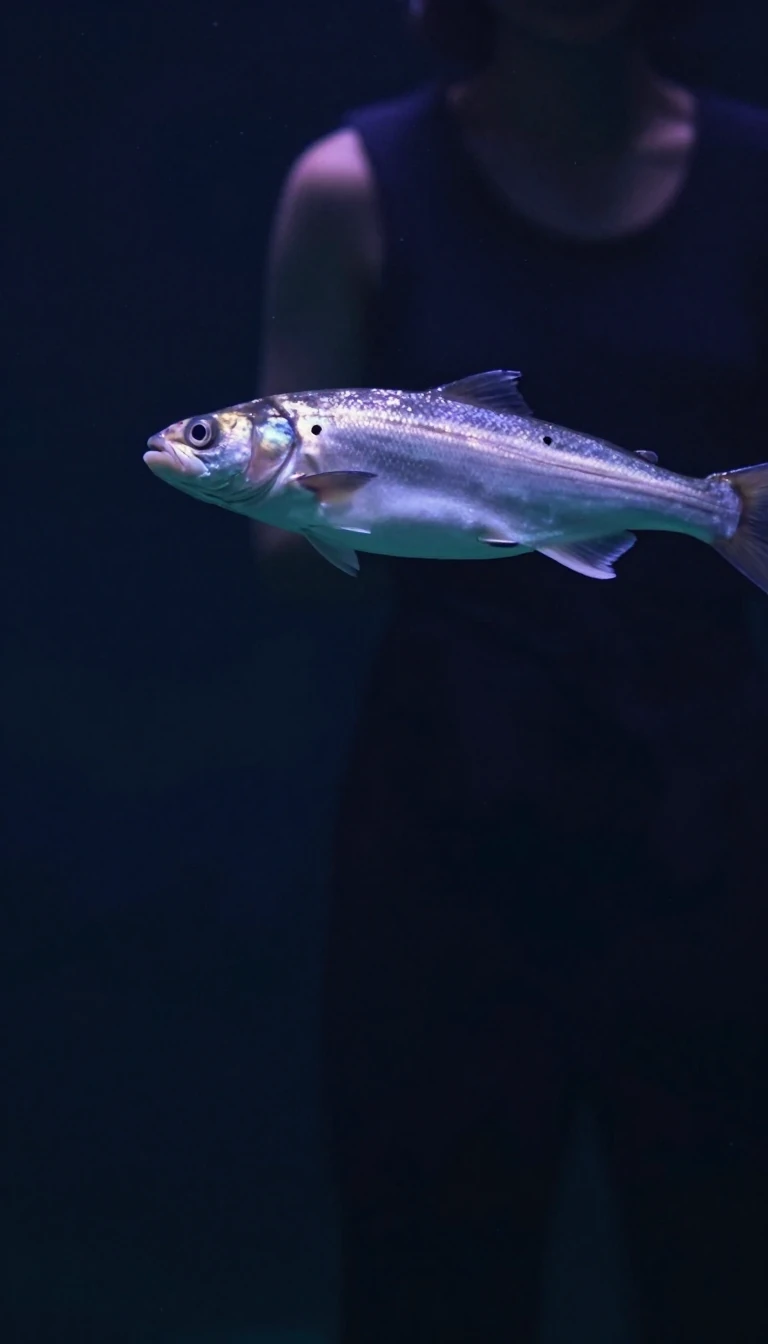
In short: The oceanic whitetip shark was once a common sight in tropical oceans, recognized by its distinctive, paddle-like fins. Today, this top predator faces a precarious future. Decimated by commercial fishing and the international trade for its fins, the species is now listed as threatened under the Endangered Species Act.
The oceanic whitetip shark, Carcharhinus longimanus, is a large, pelagic predator that thrives in the upper layers of tropical and subtropical waters. Known for its stocky build and iconic, mottled white-tipped fins, the shark is an opportunistic feeder, consuming everything from bony fish and squid to marine mammals and even discarded garbage. Despite its historical abundance, the species is inherently vulnerable due to its life history: these sharks are long-lived, reaching up to 36 years, but they mature late—between 6 and 9 years—and produce relatively few offspring, with litters averaging only six pups.
The primary threat to the species is incidental bycatch in commercial fisheries, particularly those using longlines, purse seines, and gillnets. Because these sharks prefer the surface mixed layer of warm waters, they frequently encounter fishing gear, leading to high mortality rates. Furthermore, their large, distinct fins are highly prized in the international trade, incentivizing their harvest. These combined pressures have caused significant population declines across their global range. In the Pacific Ocean, estimates suggest a reduction of 80 to 95 percent since the mid-1990s, while the Gulf of America has seen an 88 percent decline.
In response to these trends, NOAA Fisheries listed the oceanic whitetip as threatened in 2018. Recovery efforts are currently underway, informed by scientific literature and stakeholder workshops held in 2019 in Honolulu and Miami. While some regions, such as the greater Atlantic, may show signs of stability due to management actions implemented since the early 1990s, the species' low reproductive output makes recovery a slow and uncertain process. Ongoing research remains critical to understanding the global population structure and ensuring the long-term survival of this once-ubiquitous ocean wanderer.
Opens the Intellect+ feed with this card first. Swipe up for the next one.
Sources
- Summary by Intellect · source: Oceanic Whitetip Shark
- Also: Oceanic whitetip shark
To cite this card, link to https://intellectplus.co.uk/app/nature-oceanic-whitetip-shark.
How we source, check and correct cards: Editorial standards.
General information, not professional advice. Spotted an error? Flag the card or see corrections and complaints.
Intellect Plus is a visual educational discovery platform for exploring fascinating facts and ideas. Brain Food, Not Brain Rot. What is Intellect Plus?
Related
More in Organisms · More in Nature · Latest · A–Z · All topics
