Why old-growth forests are more than just a collection of very ancient trees
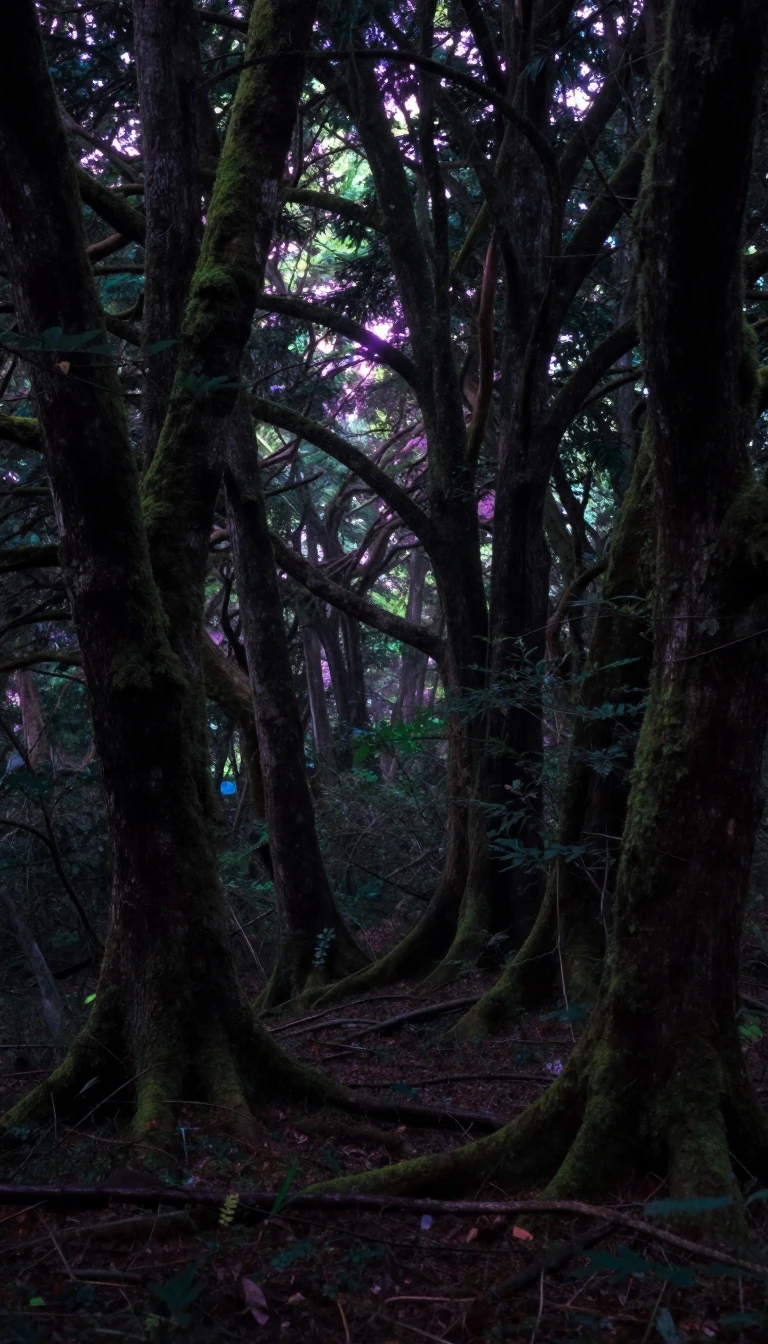
In short: Old-growth forests are complex, self-sustaining ecosystems defined by structural diversity rather than just age. These landscapes, characterized by multilayered canopies, decaying logs, and unique soil topographies, act as critical carbon sinks and biodiversity hubs. Understanding their dynamics reveals why they are irreplaceable, even when compared to younger, fast-growing plantations.
An old-growth forest is not merely a collection of ancient trees; it is a complex, long-developed ecosystem that has progressed without significant human disturbance. While the public often equates old-growth status with massive tree size, this is a narrow view. In harsh, high-altitude climates, trees may remain small for centuries while still functioning as vital old-growth components. The true markers of these forests are structural: they feature multilayered canopies, gaps created by individual tree falls, standing dead snags, and coarse woody debris that nourishes the forest floor.
The mechanism behind this stability is a continuous cycle of regeneration. Unlike uniformly aged stands that eventually become senescent and degrade, old-growth forests maintain a mix of tree ages. Canopy gaps allow light to reach the understory at different intervals, fostering a variable growth rate among younger trees. This structural complexity supports specialized life forms, such as rare lichens and mosses, which rely on the stable microclimates and specific architecture found only in these mature environments. For instance, in British Columbia, certain lichens reach 'hyperabundance' only in forests older than 120 to 150 years, providing a keystone habitat for endangered mountain caribou.
Defining these forests remains a point of contention between industrial and environmental interests. Logging industries often view old-growth stands as past their economic optimum, favoring younger, faster-growing timber. Conversely, ecologists emphasize that these forests are superior at sequestering carbon and maintaining biodiversity. Because different forest types—from boreal stands to coastal rainforests—develop at different rates and under varying disturbance regimes, a single, universal definition is scientifically elusive. As of 2025, about 11.3 million square kilometers of primary forest remain globally, with Brazil, Canada, and Russia holding 62% of this total. Protecting these remnants is vital, as they provide ecosystem services like water purification and climate stability that human-managed plantations cannot replicate.
Opens the Intellect+ feed with this card first. Swipe up for the next one.
Sources
- Summary by Intellect · source: Old-growth forest
To cite this card, link to https://intellectplus.co.uk/app/nature-old-growth-forest.
How we source, check and correct cards: Editorial standards.
General information, not professional advice. Spotted an error? Flag the card or see corrections and complaints.
Intellect Plus is a visual educational discovery platform for exploring fascinating facts and ideas. Brain Food, Not Brain Rot. What is Intellect Plus?
Related
More in Earth science · More in Nature · Latest · A–Z · All topics
