Why a woodland is not just a forest with fewer trees
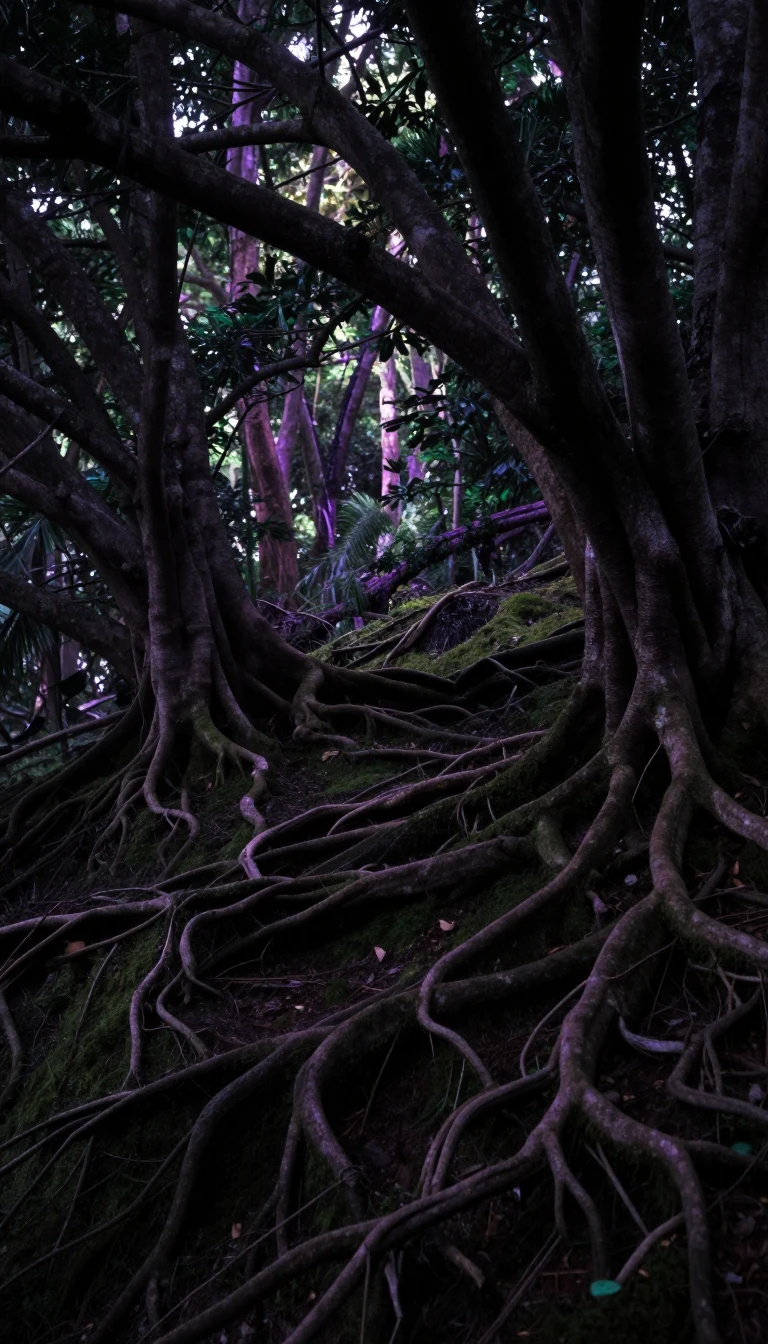
In short: While forests are defined by their dense, light-blocking canopies, woodlands offer a sun-drenched middle ground between open savanna and deep forest. These unique ecosystems rely on specific conditions—often including regular fire—to thrive. Understanding the distinction reveals how nature balances light, shade, and biodiversity across the globe.
At its core, a woodland is defined by its canopy density. Unlike forests, which feature a largely closed canopy that creates continuous shade, woodlands are characterized by scattered trees that allow significant sunlight to reach the ground. This openness supports a diverse understory of grasses, shrubs, and herbaceous plants. In Australia, this distinction is quantified: woodlands are areas with 10% to 30% tree cover, while forests exceed 30%.
The maintenance of these ecosystems is often a delicate process. In central North America, for instance, woodlands are frequently dominated by oaks and require regular fire to preserve their biodiversity. Without these prescribed burns or the presence of poor, dry soils, many woodlands would naturally transition into denser forests through ecological succession. This makes them distinct from plantations, which are often managed for specific land uses like timber or hunting.
The term also carries cultural and historical weight. In British conservation, 'ancient woodland' refers to sites that have remained wooded since at least 1600, often dating back to the last Ice Age. Conversely, in American forest management, the term 'woodlot' describes small stands of trees used for firewood. Despite their small size, the edge effects in woodlots allow enough light penetration to make them ecologically closer to woodlands than to deep, closed-canopy forests.
Woodlands are global, spanning from the miombo woodlands of Africa to the chaparral of California and the eucalypt woodlands of Australia. They are not merely empty spaces between forests; they are specialized habitats that support unique biota, from the woodland strawberry to the red-backed salamander. Protecting these areas from urbanization and agriculture remains a priority for conservationists, as these ecosystems are increasingly restricted to specific, often fragile, environmental niches.
Opens the Intellect+ feed with this card first. Swipe up for the next one.
Sources
- Summary by Intellect · source: Woodland
To cite this card, link to https://intellectplus.co.uk/app/nature-woodland.
How we source, check and correct cards: Editorial standards.
General information, not professional advice. Spotted an error? Flag the card or see corrections and complaints.
Intellect Plus is a visual educational discovery platform for exploring fascinating facts and ideas. Brain Food, Not Brain Rot. What is Intellect Plus?
Related
More in Earth science basics · More in Nature · Latest · A–Z · All topics
