Mountains are not permanent fixtures but the scars of ancient tectonic collisions
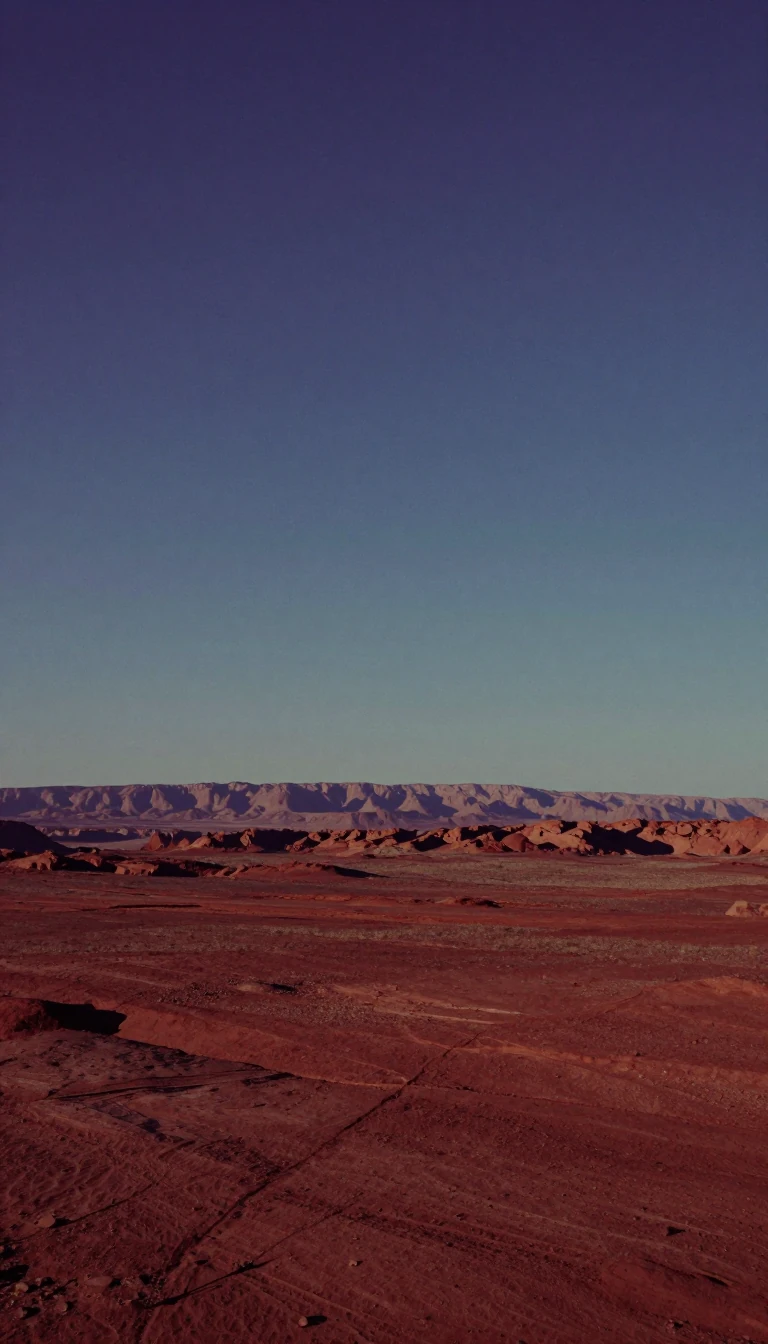
In short: Mountains rise when tectonic plates collide, crumpling the Earth's crust like a rug. This process, known as orogeny, transforms sedimentary basins into towering peaks over tens of millions of years. Far from being static, these ranges are the visible results of deep, ongoing geological cycles that reshape our planet.
Orogeny is the fundamental process of mountain-building, occurring primarily at convergent plate margins. When plates collide, the crust undergoes intense structural deformation, thickening through folding and thrust faulting. This uplift is governed by the principle of isostasy, where the buoyant, light continental crust balances against the dense underlying mantle. While subduction of oceanic crust often triggers this compression, the specific outcome depends on factors like convergence rates and plate coupling. The Andes represent a noncollisional orogen, while the Himalayas exemplify the massive heights reached during direct continental collisions.
The life cycle of an orogen is often described by the Wilson cycle, which tracks the periodic opening and closing of ocean basins. As continents rift apart, passive margins accumulate deep marine sediments. Eventually, subduction initiates, consuming the ocean basin and forcing crustal fragments, island arcs, and continental blocks to accrete onto the margin. This accretionary phase can last for hundreds of millions of years, as seen in the long-lived orogenic activity that built the basement of North America. The process culminates when subduction ends, often leaving behind deeply eroded, metamorphosed roots that reveal the history of the collision.
Geological understanding of these events has evolved significantly. Before the 1960s, many geologists relied on the now-discredited cooling Earth theory to explain mountain formation. Today, we recognize that orogens are diverse, categorized by their tectonic settings into accretionary, collisional, and intracratonic types. Even after the active tectonic forces cease, erosion continues to unroof the mountain core, exposing crystalline metamorphic rocks that were once buried kilometers deep. This final phase of the orogenic cycle ensures that the mountains we see today are merely the temporary, eroding remnants of complex, deep-seated crustal movements.
Opens the Intellect+ feed with this card first. Swipe up for the next one.
Sources
- Summary by Intellect · source: Orogeny
To cite this card, link to https://intellectplus.co.uk/app/nature-orogeny.
How we source, check and correct cards: Editorial standards.
General information, not professional advice. Spotted an error? Flag the card or see corrections and complaints.
Intellect Plus is a visual educational discovery platform for exploring fascinating facts and ideas. Brain Food, Not Brain Rot. What is Intellect Plus?
Related
More in Geology · More in Nature · Latest · A–Z · All topics
