Before cats and dogs ruled, these sharp-toothed ambush predators dominated the ancient forests
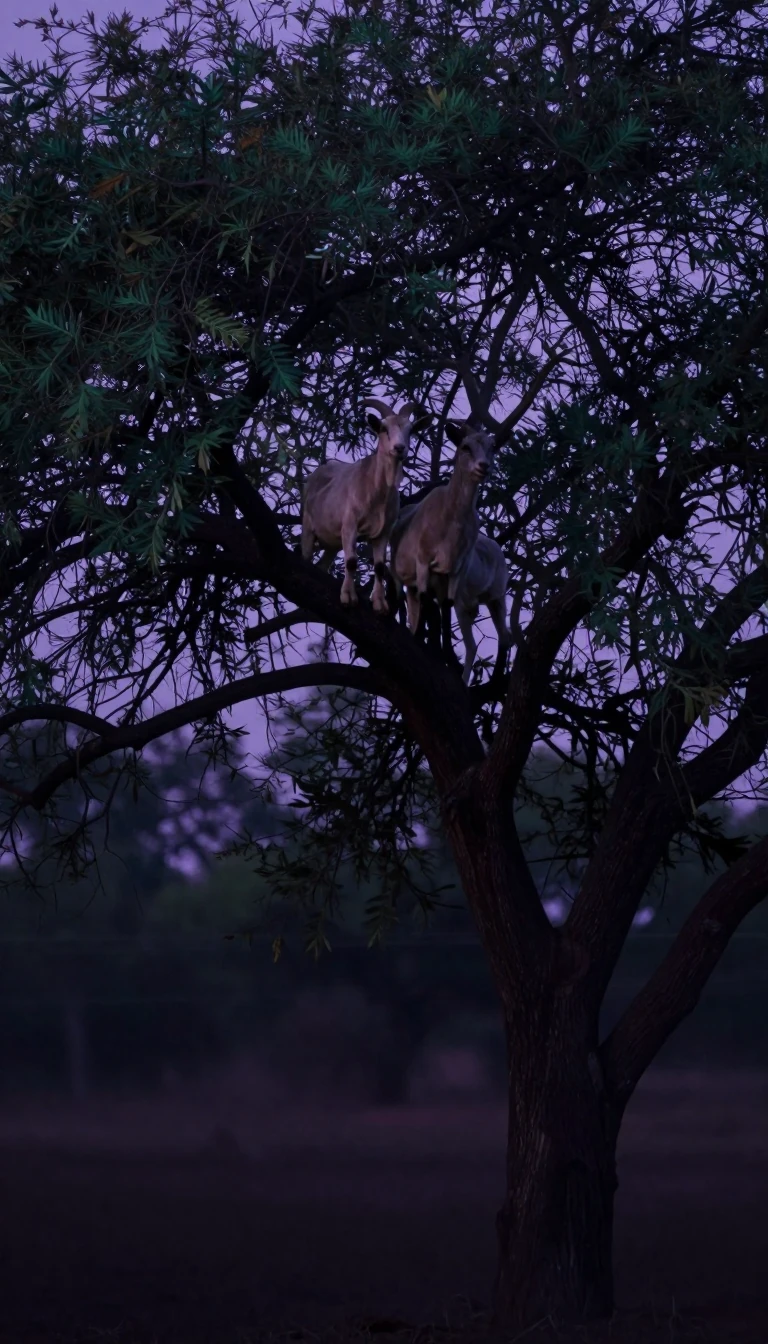
In short: Long before modern carnivores took over, the Oxyaenidae family thrived as specialized hunters. These flat-footed, badger-like mammals evolved unique grappling limbs and, in some cases, developed the first saber-toothed traits in history. Despite their success, these solitary ambush predators eventually vanished, leaving behind a mystery about their true extinction.
Oxyaenids, or 'sharp-tooth hyenas,' were a diverse group of placental mammals that emerged in North America during the late Paleocene. Unlike modern carnivores that walk on their toes, these creatures were plantigrade, moving on flat feet. Their anatomy was distinct: they possessed long, inflexible spines, short legs, and powerful forelimbs capable of twisting to grapple prey. While some, like the omnivorous Oxyaena, occupied niches similar to modern bears, others were hypercarnivores. The Macheroidinae subfamily, for instance, featured the earliest saber-toothed mammals, which likely dropped from trees to ambush prey in closed-canopy forests.
The group's size varied significantly. While many were medium-sized, the largest, Sarkastodon mongoliensis, was once estimated to weigh 800 kg, though experts now suggest this figure may be an overestimate. Their hunting style was solitary and specialized, relying on strength rather than speed. This reliance on closed forests may have been their undoing. As environments shifted toward open landscapes, their inflexible spines and limited maneuverability likely hindered their ability to compete or hunt effectively, contributing to their eventual decline.
The exact cause of their extinction remains a subject of intense academic debate. While early theories suggested they were outcompeted by rising carnivorans or nimravids, recent research complicates this narrative. Studies by Fischer et al. (2026) and others indicate that oxyaenid populations were already in decline before their supposed replacements appeared, and in some cases, the youngest oxyaenid fossils predate the oldest records of their competitors. This suggests that environmental changes, rather than direct competition, may have been the primary driver behind their disappearance around 41.5 million years ago.
Opens the Intellect+ feed with this card first. Swipe up for the next one.
Sources
- Summary by Intellect · source: Oxyaenidae
- Also: www.britannica.com — Oxyaenidae | fossil mammal family | Britannica
To cite this card, link to https://intellectplus.co.uk/app/nature-oxyaenidae.
How we source, check and correct cards: Editorial standards.
General information, not professional advice. Spotted an error? Flag the card or see corrections and complaints.
Intellect Plus is a visual educational discovery platform for exploring fascinating facts and ideas. Brain Food, Not Brain Rot. What is Intellect Plus?
Related
More in Vertebrates · More in Nature · Latest · A–Z · All topics
