Mesonychians were hoofed, wolf-like predators that once dominated ancient ecosystems before vanishing entirely.
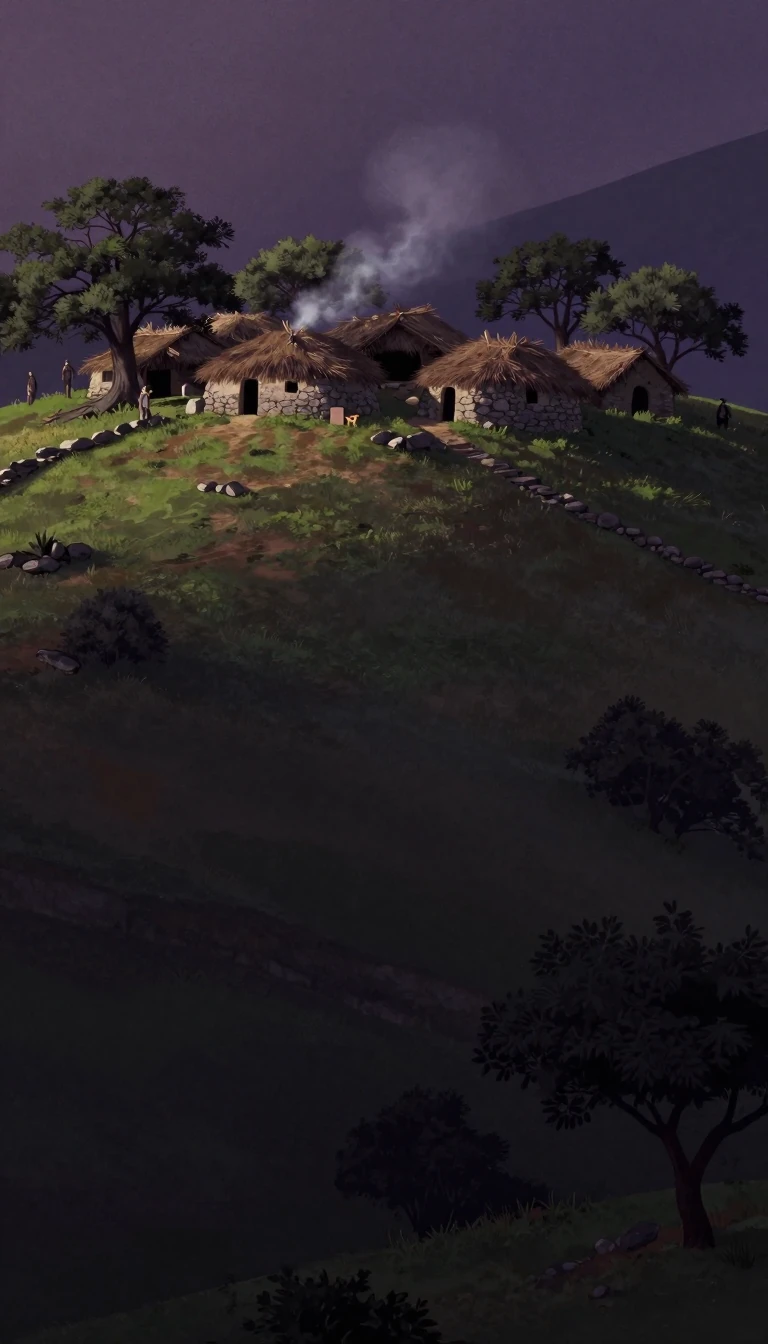
In short: These extinct mammals, once mistaken for whale ancestors, were neither true carnivores nor ungulates. With stiff, hoofed paws and wolf-like skulls, they occupied a unique evolutionary niche. Though they dominated North American and European landscapes for millions of years, their eventual decline remains a mystery of shifting environmental pressures.
Mesonychia, or 'middle claws,' represents an extinct order of hoofed mammals that thrived from the Late Cretaceous until the Middle Eocene. Initially, their triangular molar teeth and skull structures led scientists to believe they were the direct ancestors of whales. Modern phylogenetic analysis has debunked this, revealing that cetaceans are more closely related to hippopotamids and artiodactyls. Instead, mesonychians are now viewed as a basal order within Pan-Euungulata, though their exact placement remains contested due to the fragmentary nature of key fossils like the massive Andrewsarchus.
In life, these creatures defied simple categorization. While they are often reconstructed as wolf-like, they moved with the stiff-backed gait of ungulates rather than the flexible, bounding movement of modern carnivores. Their limbs were robust and specialized for efficiency, with later species evolving digitigrade locomotion and hooves on each toe. Because they lacked the flexible paws and claws that modern carnivores use to manipulate prey, they relied on large heads and powerful jaw muscles to process food. Their dietary habits were diverse, ranging from faunivorous, cheetah-like hunting to bone-crushing scavenging.
The history of the order is marked by significant dispersal and adaptation. Originating in East Asia during the Early Paleocene, genera like Dissacus spread into North America and Europe. Their extinction, which concluded by roughly 44 Ma for Hapalodectids, was not the result of direct competition with rising groups like hyaenodonts. Instead, evidence suggests that changing environments and cooling periods, such as the one following the Early Eocene Climatic Optimum, played a decisive role in their disappearance. Today, they remain a testament to a time when hoofed mammals filled the roles of apex predators.
Opens the Intellect+ feed with this card first. Swipe up for the next one.
Sources
- Summary by Intellect · source: Mesonychia
To cite this card, link to https://intellectplus.co.uk/app/nature-mesonychia.
How we source, check and correct cards: Editorial standards.
General information, not professional advice. Spotted an error? Flag the card or see corrections and complaints.
Intellect Plus is a visual educational discovery platform for exploring fascinating facts and ideas. Brain Food, Not Brain Rot. What is Intellect Plus?
Related
More in Vertebrates · More in Nature · Latest · A–Z · All topics
