Buried beneath the surface, ancient soils act as silent witnesses to Earth's deep history.
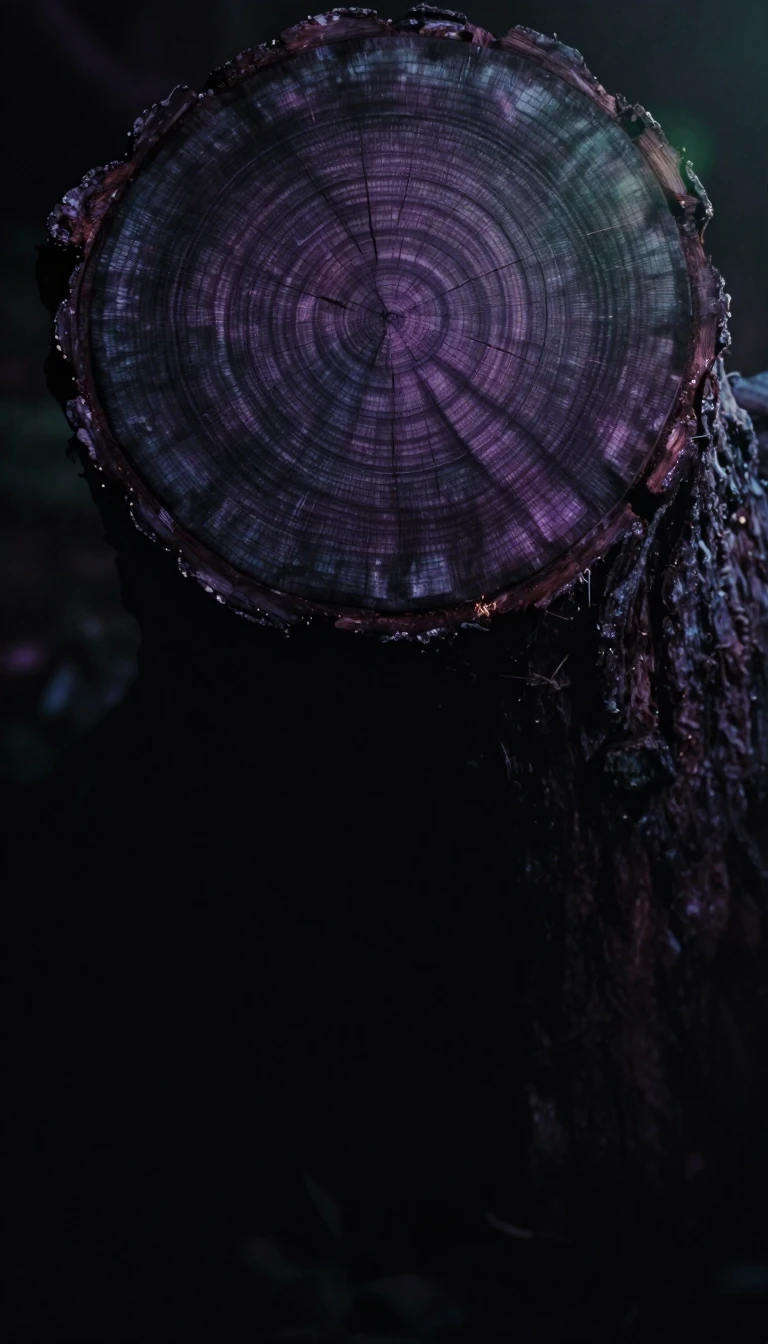
In short: A paleosol is a fossilized soil, preserved for eons under layers of volcanic ash or sediment. These subterranean time capsules offer geologists a rare, direct link to the atmosphere, climate, and ecosystems of the distant past, revealing how our planet functioned long before modern soil classification systems were even conceived.
In geology, a paleosol is defined as a former soil layer protected by burial beneath volcanic deposits or sediments, which eventually lithify into rock. While soil scientists sometimes define them as ancient soils disconnected from modern climatic conditions, the term is universally used to describe these fossilized records found across all continents. Their history stretches back into the Precambrian, with rare examples dating beyond 2.5 billion years, providing crucial data on the Great Oxidation Event that occurred 2.42 billion years ago.
These ancient profiles are essential tools for paleoclimatology. Because soil formation is inherently sensitive to temperature and moisture, researchers use chemical signatures within these layers to reconstruct mean annual precipitation and air temperatures. Furthermore, because soils exist in constant contact with the atmosphere, they serve as proxies for historical gas levels. For instance, analysis of Precambrian paleosols suggests that atmospheric oxygen 2.2 billion years ago was merely one-hundredth of today's levels. Scientists also examine carbon isotopic signatures and leaf waxes to track the evolution of ancient plant life, such as the transition between C3 and C4 photosynthesis.
Identifying these soils requires a rigorous approach, as post-burial processes can alter their chemistry. Researchers often rely on the USDA soil taxonomy, which categorizes them by observable features like horizonation, root traces, or specific mineral compositions. However, this system has limitations; modern categories like 'alfisol' assume the presence of trees, which did not exist in the earliest eras. Consequently, paleo-pedologists often use a combination of physical evidence—such as soft-sediment deformation or textural changes—and geochemical verification to ensure their reconstructions are accurate. Despite these challenges, paleosols remain one of our most reliable archives for understanding how Earth's surface has evolved over millions of years.
Opens the Intellect+ feed with this card first. Swipe up for the next one.
Sources
- Summary by Intellect · source: Paleosol
- Also: Paleosol | soil | Britannica
To cite this card, link to https://intellectplus.co.uk/app/nature-paleosol.
How we source, check and correct cards: Editorial standards.
General information, not professional advice. Spotted an error? Flag the card or see corrections and complaints.
Intellect Plus is a visual educational discovery platform for exploring fascinating facts and ideas. Brain Food, Not Brain Rot. What is Intellect Plus?
Related
More in Geology · More in Nature · Latest · A–Z · All topics
