Can we reconstruct the history of ancient hurricanes using only the earth beneath us?
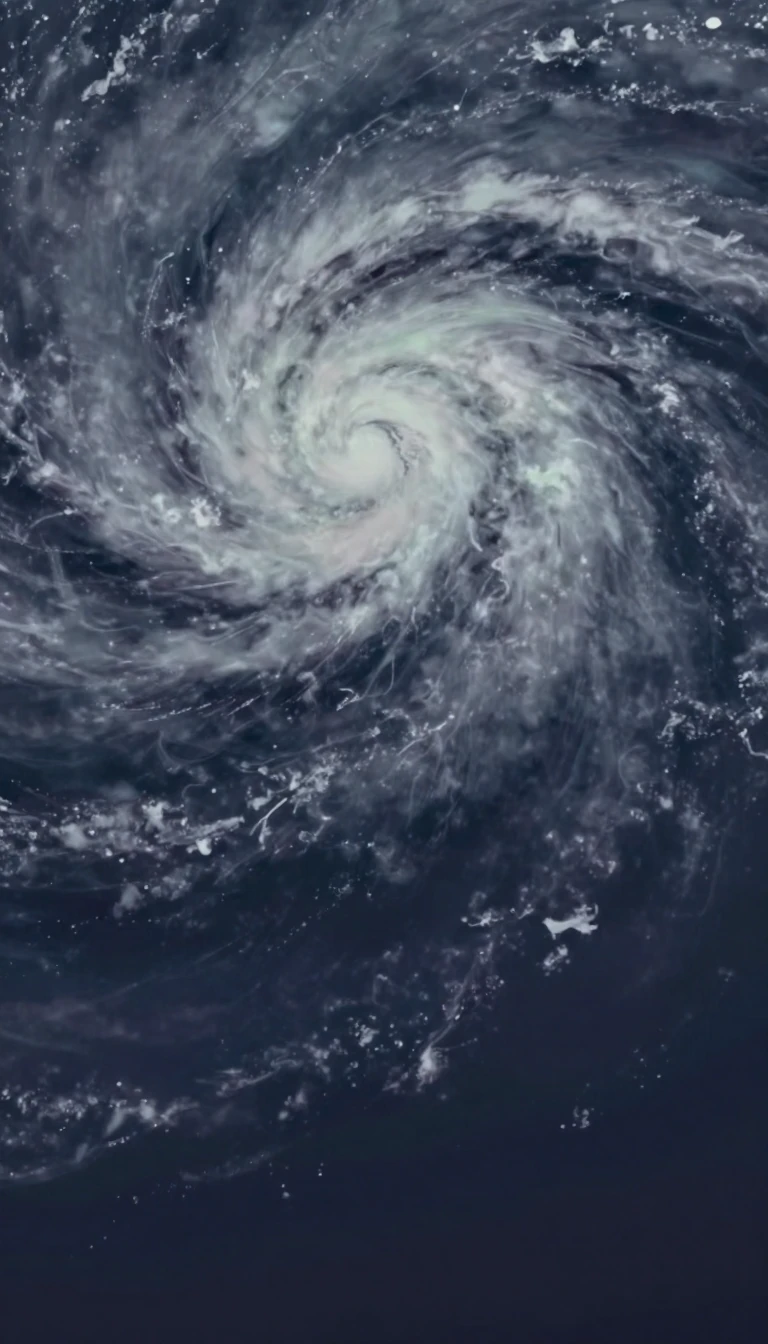
In short: Paleotempestology attempts to map prehistoric storm activity by analyzing geological proxies like sediment layers. While researchers hope this data will reveal long-term recurrence intervals for destructive hurricanes, recent studies suggest that relying on these physical signatures is more complex and less definitive than many scientists previously assumed.
As coastal populations expand, the need for accurate long-term records of storm frequency becomes critical. Current historical records for the United States coast are limited to roughly 300 years, with reliable instrumental data covering only the last 150 years. Paleotempestology, a field coined by Kerry Emanuel, seeks to fill these gaps by identifying geological proxies—such as overwash deposits in marshes or coastal lakes—left behind by ancient tropical cyclones.
The core methodology involves analyzing sediment cores for signatures of past storm surges. Researchers often look for specific grain sizes, mineral densities, or chemical markers that differ from normal, steady-state sedimentation. By identifying these layers, scientists aim to reconstruct the frequency and intensity of storms over several millennia. This information is vital for guiding coastal infrastructure planning, determining insurance rates, and testing the accuracy of climate models regarding future weather patterns.
However, the field remains controversial and faces significant challenges. A 2012 study of Hurricane Irene in Onslow Bay, North Carolina, revealed that the storm left a minimal signature at only one of four studied marsh sites, even under ideal conditions. This lack of a consistent, definitive record suggests that many storm events may not be preserved in the geological record at all. Consequently, researchers are increasingly cautious about the reliability of these proxies, noting that the absence of a sediment layer does not necessarily mean an absence of a storm.
Opens the Intellect+ feed with this card first. Swipe up for the next one.
Sources
- Summary by Intellect · source: Paleotempestology
- Also: Paleotempestology
To cite this card, link to https://intellectplus.co.uk/app/nature-paleotempestology.
How we source, check and correct cards: Editorial standards.
General information, not professional advice. Spotted an error? Flag the card or see corrections and complaints.
Intellect Plus is a visual educational discovery platform for exploring fascinating facts and ideas. Brain Food, Not Brain Rot. What is Intellect Plus?
Related
More in Geology · More in Nature · Latest · A–Z · All topics
